
टूल स्टील प्रिसिजन इंजीनियर्ड माइनिंग पार्ट्स 3D प्रिंटिंग समाधान
माइनिंग एप्लिकेशन के लिए टूल स्टील एडिटिव मैन्युफैक्चरिंग का परिचय
टूल स्टील्स चरम यांत्रिक घर्षण, प्रभाव और उच्च-लोड संचालन के लिए इंजीनियर किए गए हैं—जो उन्हें माइनिंग और खनिज संसाधन के लिए अनिवार्य बनाते हैं। 3D प्रिंटिंग के साथ, अब जटिल घर्षण-प्रतिरोधी भागों को मांग पर निर्मित किया जा सकता है, जिससे कठिन माइनिंग वातावरण में डाउनटाइम कम होता है और डिज़ाइन पुनरावृत्ति तेज़ होती है।
Neway Aerotech में, हम उच्च-प्रभाव, उच्च-अपरदन एप्लिकेशन के लिए अनुकूलित उच्च-परिशुद्धता माइनिंग टूल्स, सुरक्षात्मक एन्क्लोज़र, ड्रिल शू और कटिंग इंसर्ट बनाने के लिए सेलेक्टिव लेजर मेल्टिंग (SLM) और डायरेक्ट मेटल लेजर सिंटरिंग (DMLS) का उपयोग करके टूल स्टील 3D प्रिंटिंग सेवाएं प्रदान करते हैं।
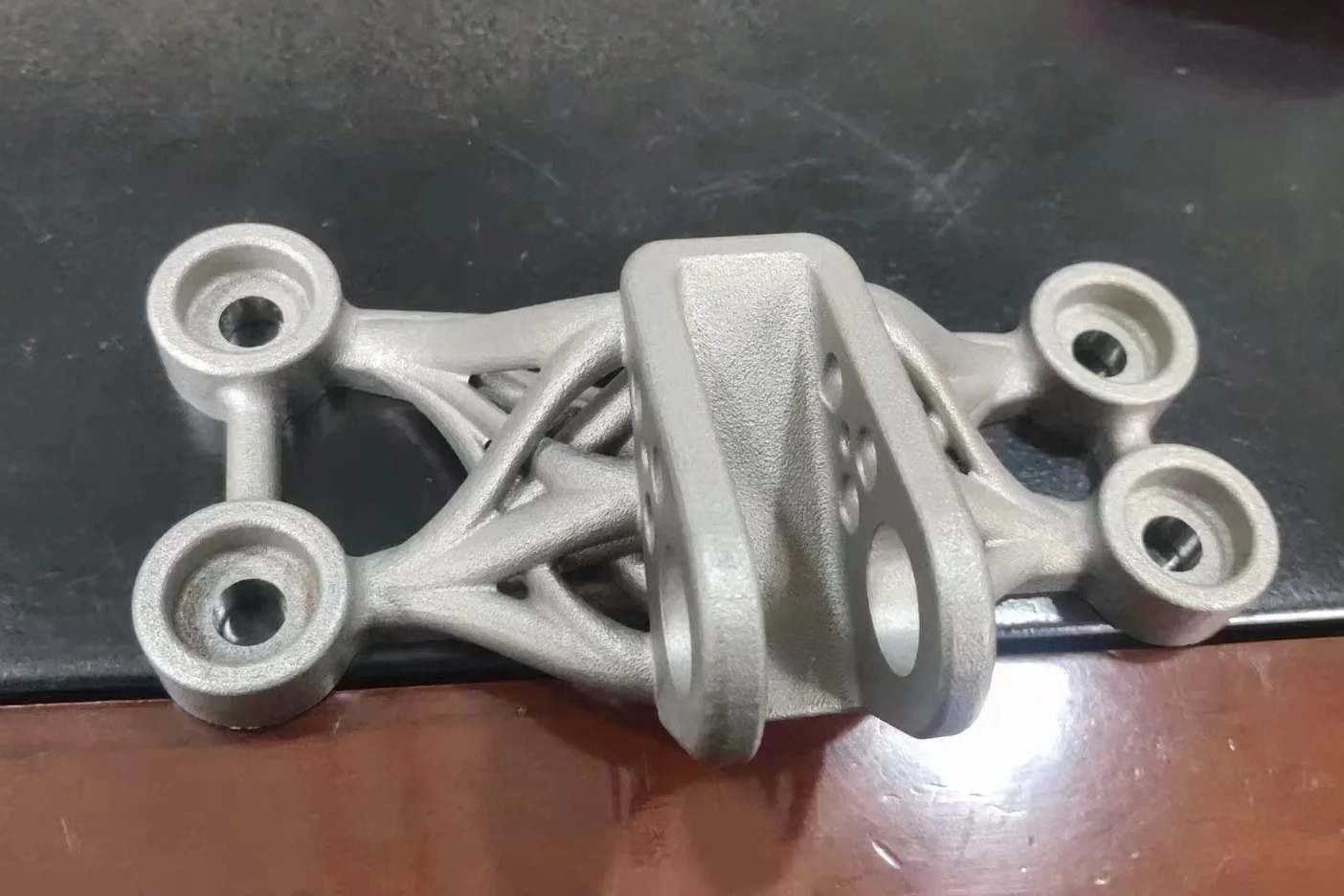
माइनिंग टूल कंपोनेंट्स के लिए एडिटिव मैन्युफैक्चरिंग क्षमताएं
SLM और DMLS प्रक्रिया पैरामीटर
पैरामीटर | मान | माइनिंग एप्लिकेशन प्रासंगिकता |
|---|---|---|
लेयर मोटाई | 30–60 μm | किनारे की नुकीलीपन और मजबूत दीवार प्रोफाइल को सक्षम बनाता है |
सतह खुरदरापन (जैसा-निर्मित) | Ra 8–15 μm | स्लाइडिंग या प्रभाव सतहों के लिए परिष्कृत किया जा सकता है |
सहिष्णुता (जैसा-मुद्रित) | ±0.05 mm | असेंबली और माउंटिंग जोन के बीच फिट बनाए रखता है |
हीट ट्रीट संगतता | उत्कृष्ट (HRC > 50 प्राप्त करने योग्य) | मुद्रण के बाद घर्षण सतहें कठोर होती हैं |
एडिटिव माइनिंग एप्लिकेशन में उपयोग की जाने वाली टूल स्टील ग्रेड
ग्रेड | कठोरता (HRC) | अपरदन प्रतिरोध | मुख्य एप्लिकेशन |
|---|---|---|---|
H13 | 45–52 (जैसा-निर्मित) | उच्च | रॉक ब्रेकर शू, सुरक्षात्मक पिंजरे |
A2 | 58 तक | उत्कृष्ट | ड्रिल बिट, छेनी के सिरे |
D2 | 60–62 (कठोर) | बहुत उच्च | कटिंग डाई, अपरदन ढाल |
मैरेजिंग स्टील 300 | ~55 | मध्यम | उच्च-शक्ति संरचनात्मक हाउसिंग |
माइनिंग एप्लिकेशन के लिए टूल स्टील आदर्श क्यों है
उच्च कठोरता और कठोरता: क्रशिंग, कन्वेयरिंग और ड्रिलिंग सिस्टम में निरंतर प्रभाव और स्लाइडिंग घर्षण का सामना करता है।
थर्मल प्रतिरोध: शुष्क संपर्क के दौरान घर्षण ताप के बावजूद यांत्रिक अखंडता बनाए रखता है।
कस्टम ज्यामिति: अनुकूलित कटिंग पैटर्न, आंतरिक सुदृढ़ीकरण और वजन कम करने को सक्षम बनाता है।
पोस्ट-ट्रीटमेंट संगतता: मुद्रणीय भागों को कठोर किया जा सकता है, कोट किया जा सकता है और परिशुद्धता के साथ मशीन किया जा सकता है।
मरम्मत के अनुकूल: घिसे हुए टूल स्टील पार्ट्स को डायरेक्टेड एनर्जी डिपॉज़िशन (DED) के साथ फिर से बनाया जा सकता है।
पोस्ट-प्रोसेसिंग और सतह फिनिशिंग
हीट ट्रीटमेंट: सामग्री के आधार पर तेल बुझाना, टेम्परिंग या वैक्यूम हार्डनिंग।
HIP: सरंध्रता को खत्म करने और थकान प्रतिरोध में सुधार करने के लिए महत्वपूर्ण भागों पर लागू किया जाता है।
CNC मशीनिंग: बारीक-सहिष्णुता वाले स्लॉट, थ्रेडेड होल और स्प्लाइन सुविधाओं के लिए।
कोटिंग विकल्प:
अतिरिक्त सतह कठोरता के लिए टाइटेनियम नाइट्राइड (TiN) या PVD कोटिंग्स।
संपीड़न तनाव और दरार प्रतिरोध के लिए शॉट पीनिंग।
केस स्टडी: क्वारी ड्रिलिंग टूल के लिए 3D प्रिंटेड H13 स्टील कटिंग इंसर्ट
परियोजना पृष्ठभूमि
एक माइनिंग उपकरण OEM को अनुकूलित कटिंग ज्यामिति और आंतरिक शीतलन चैनलों वाले उच्च-घर्षण इंसर्ट की आवश्यकता थी। पारंपरिक ब्रेज़्ड-कार्बाइड डिज़ाइन में टिकाऊपन की कमी थी और क्वारी ड्रिलिंग संचालन के दौरान बार-बार प्रतिस्थापन की आवश्यकता होती थी।
विनिर्माण वर्कफ़्लो
डिज़ाइन: दांतेदार कटिंग एज और सर्पिल आंतरिक शीतलक चैनलों वाला ठोस मॉडल।
सामग्री: गैस एटमाइज्ड H13 टूल स्टील, D50 ~35 μm।
मुद्रण: 50 μm लेयर पर SLM, आर्गन वातावरण, प्रति इंसर्ट निर्माण समय 5 घंटे।
पोस्ट-प्रोसेसिंग:
HRC 52 तक क्वेंच्ड और टेम्पर्ड
शीतलक पोर्ट रीम्ड और थ्रेडेड
माउंटिंग फेस पर इंसर्ट को समतल ग्राउंड किया गया
निरीक्षण:
फीचर सटीकता के लिए CMM
20 बार तक आंतरिक प्रवाह का दबाव परीक्षण
100+ ड्रिलिंग चक्रों के तहत फील्ड-टेस्टेड
परिणाम और सत्यापन
मुद्रित H13 कटिंग इंसर्ट मानक ब्रेज़्ड विकल्प की तुलना में 3 गुना अधिक समय तक चलता है। डिज़ाइन ने कंपन को भी कम किया और कटिंग दक्षता में 18% की वृद्धि की, जिसमें बार-बार हथौड़े के लोड के संपर्क में आने के बाद भी कोई इंसर्ट टूटना या दरार नहीं आई।
अक्सर पूछे जाने वाले प्रश्न (FAQs)
माइनिंग घर्षण एप्लिकेशन में H13 और D2 टूल स्टील के बीच क्या अंतर है?
क्या मुद्रित टूल स्टील पार्ट्स को फोर्ज्ड गुणों से मिलान करने के लिए हीट ट्रीटेड किया जा सकता है?
क्या टूल स्टील कंपोनेंट्स में आंतरिक शीतलन चैनल प्रिंट करने योग्य हैं?
माइनिंग में बड़े टूल स्टील रीबिल्ड के लिए WAAM या DED उपयुक्त है?
अपरदन वाले वातावरण में मुद्रित टूल स्टील कंपोनेंट्स के लिए कौन सी कोटिंग्स सबसे अच्छी हैं?
