
टाइटेनियम मिश्रधातु समतापीय फोर्जिंग रिएक्टर भाग
परिचय
टाइटेनियम मिश्रधातु समतापीय फोर्जिंग रिएक्टर घटकों के निर्माण के लिए एक महत्वपूर्ण प्रक्रिया है जिन्हें उत्कृष्ट यांत्रिक शक्ति, संक्षारण प्रतिरोध और आयामी स्थिरता की आवश्यकता होती है। न्यूवे एयरोटेक में, हम उच्च-प्रदर्शन परमाणु और रासायनिक प्रसंस्करण अनुप्रयोगों के लिए Ti-6Al-4V, Ti-6Al-4V ELI, और Ti-3Al-2.5Sn जैसी टाइटेनियम मिश्रधातुओं की फोर्जिंग में विशेषज्ञता रखते हैं। ये भाग संक्षारक, उच्च-विकिरण और उच्च-तापमान रिएक्टर वातावरण में कार्य करते हैं, जहां विफलता कोई विकल्प नहीं है।
समतापीय फोर्जिंग उत्कृष्ट सूक्ष्मसंरचना एकरूपता और कड़ा आयामी नियंत्रण (±0.02 मिमी) प्रदान करती है, जो क्लैडिंग समर्थन, बोल्टेड जोड़ों, रिएक्टर सील और परिरक्षण तत्वों जैसे महत्वपूर्ण घटकों में लंबी सेवा जीवन, कम अवशिष्ट तनाव और उच्च विश्वसनीयता सक्षम बनाती है।
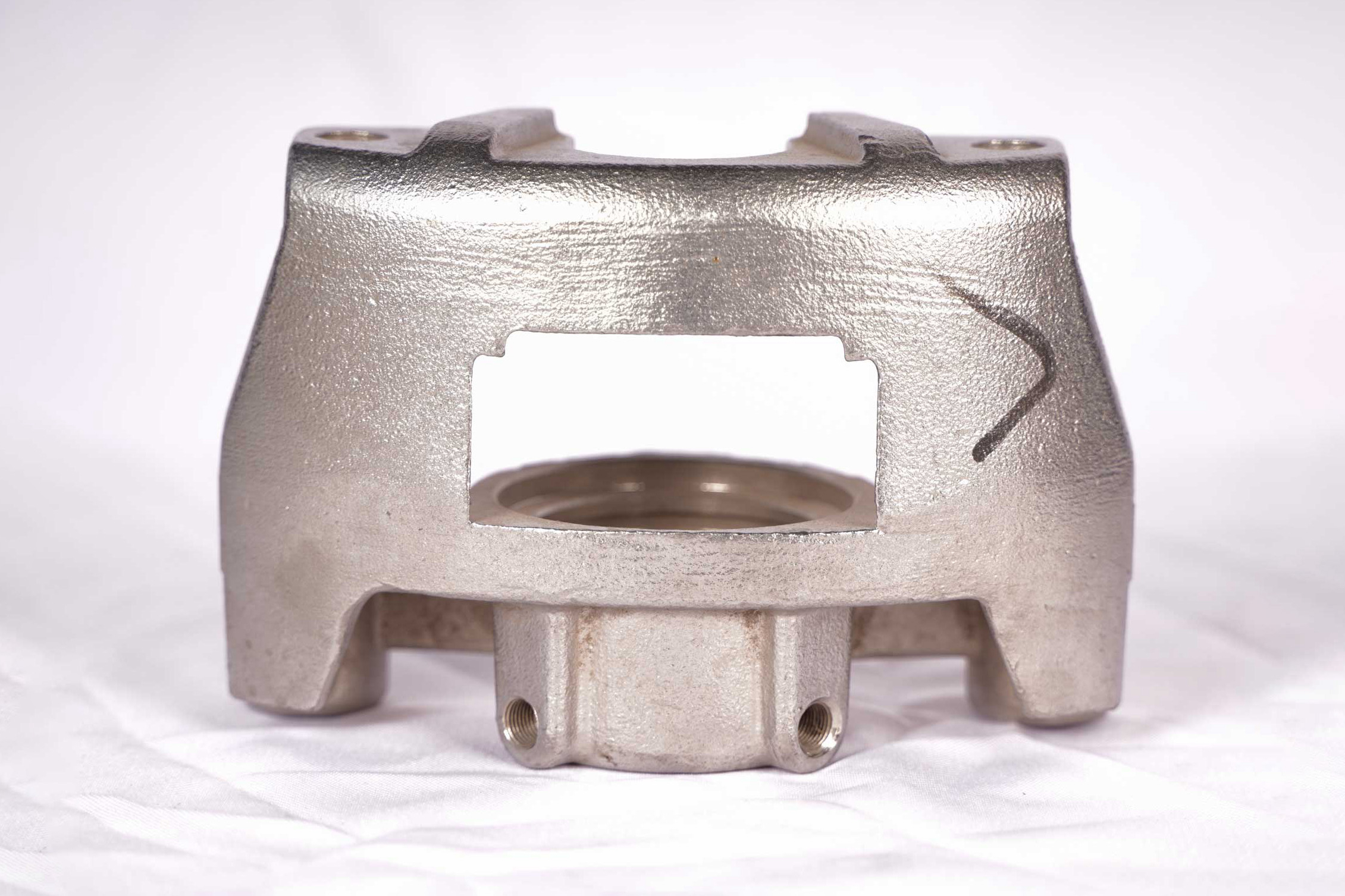
टाइटेनियम समतापीय फोर्जिंग की मूल तकनीक
मिश्रधातु बिलेट तैयारी: टाइटेनियम बिलेट (जैसे, Ti-6Al-4V) को वैक्यूम में पिघलाया जाता है और अल्फा-केस निर्माण से बचने के लिए एक अक्रिय या निर्वात वातावरण में 900–950°C तक प्रीहीट किया जाता है।
समतापीय फोर्जिंग प्रक्रिया: डाई और बिलेट को धीमी, नियंत्रित विरूपण के दौरान मिलान तापमान (आमतौर पर ~920°C) पर रखा जाता है ताकि कोल्ड शट्स को रोका जा सके और महीन अनाज प्रवाह सुनिश्चित किया जा सके।
अनाज संरचना नियंत्रण: अंतिम फोर्ज किए गए अनाज का आकार ASTM 9–11 तक परिष्कृत किया जाता है, जिससे एक समान सूक्ष्मसंरचना और बेहतर थकान, क्रूरता और तनाव संक्षारण प्रतिरोध उत्पन्न होता है।
एनीलिंग या एजिंग उपचार: फोर्जिंग के बाद हीट ट्रीटमेंट यांत्रिक संतुलन को पुनर्स्थापित करता है, अवशिष्ट तनाव को समाप्त करता है और रिएक्टर सेवा के लिए चरण वितरण को अनुकूलित करता है।
सटीक मशीनिंग: सीएनसी मशीनिंग ±0.02 मिमी के भीतर बोर सहिष्णुता, खांचे और सीलिंग सतहों को सक्षम बनाती है, जिससे रिएक्टर असेंबली इंटरफेस कसा हुआ सुनिश्चित होता है।
वैकल्पिक सतह पैसिवेशन: नाइट्रिक, हाइड्रोक्लोरिक, या बोरेटेड जल वातावरण में संक्षारण प्रतिरोध बढ़ाने के लिए सतह संवर्धन लागू किया जा सकता है।
फोर्ज्ड टाइटेनियम रिएक्टर भागों की सामग्री विशेषताएं
गुण | Ti-6Al-4V | Ti-6Al-4V ELI | Ti-3Al-2.5Sn |
|---|---|---|---|
अधिकतम कार्य तापमान | ~400°C | ~400°C | ~350°C |
यील्ड स्ट्रेंथ | ≥880 MPa | ≥825 MPa | ≥620 MPa |
क्रीप प्रतिरोध | मध्यम | मध्यम | अच्छा |
फ्रैक्चर टफनेस | उच्च | बहुत उच्च | मध्यम–उच्च |
विकिरण प्रतिरोध | उत्कृष्ट | उत्कृष्ट | उत्कृष्ट |
संक्षारण प्रतिरोध | उत्कृष्ट (HNO₃, H₂SO₄, HCl, समुद्री जल) | ||
अनाज आकार (फोर्ज्ड के रूप में) | ASTM 9–11 | ASTM 10–12 | ASTM 9–10 |
वेल्डेबिलिटी | उत्कृष्ट | उत्कृष्ट | अच्छा |
केस स्टडी: एक दबावयुक्त जल रिएक्टर (PWR) के लिए समतापीय रूप से फोर्ज्ड टाइटेनियम भाग
परियोजना पृष्ठभूमि
एक परमाणु इंजीनियरिंग कंपनी को प्राथमिक शीतलक लूप में उपयोग के लिए फोर्ज्ड टाइटेनियम सपोर्ट फ्लैंज, लाइनर रिंग और सील हाउसिंग का एक सेट आवश्यक था। रिएक्टर 300°C से नीचे और >15 MPa दबाव में बोरेटेड जल के साथ संचालित होता था, जिसके लिए असाधारण संक्षारण प्रतिरोध और संरचनात्मक अखंडता की आवश्यकता थी। विकिरित वातावरण में इसकी बेहतर लचीलापन और श्रेष्ठ क्रूरता के कारण Ti-6Al-4V ELI का चयन किया गया था।
विशिष्ट फोर्ज्ड टाइटेनियम रिएक्टर भाग
रिएक्टर फ्लैंज और कपलिंग: फोर्ज्ड Ti-6Al-4V फ्लैंज दबावयुक्त रिएक्टर सर्किट में पाइप और पात्र जंक्शनों के लिए उत्कृष्ट सीलिंग और कम वजन प्रदान करते हैं।
परिरक्षण हाउसिंग और क्लैडिंग समर्थन: न्यूट्रॉन परिरक्षण और घटक स्थिरीकरण में उपयोग किए जाने वाले फोर्ज्ड और मशीनीकृत Ti-6Al-4V ELI घटक।
पंप इम्पेलर और बुशिंग: शीतलक परिसंचरण पंपों में उपयोग किए जाने वाले फोर्ज्ड Ti-3Al-2.5Sn भाग, शक्ति और संक्षारण प्रदर्शन को संतुलित करते हैं।
फास्टनर और आंतरिक कनेक्टर: सटीक-फोर्ज्ड टाइटेनियम बोल्ट और इंटरलॉक जो श्रेष्ठ तनाव संक्षारण क्रैकिंग प्रतिरोध और आयामी पुनरावृत्ति प्रदान करते हैं।
निर्माण और प्रसंस्करण समाधान
बिलेट कटिंग और प्रीहीटिंग: वैक्यूम-पिघली हुई टाइटेनियम मिश्रधातु को प्रीफॉर्म में काटा गया, फिर एक अक्रिय वातावरण में 920°C तक समान रूप से गर्म किया गया।
समतापीय फोर्जिंग निष्पादन: मिलान तापमान डाई में किया गया, जिससे न्यूनतम स्प्रिंग-बैक या आंतरिक क्रैकिंग के साथ नेट-नेट शेप प्राप्त हुआ।
फोर्जिंग के बाद एनीलिंग: लचीलापन अनुकूलित करने, तनाव मुक्त करने और अल्फा-बीटा सूक्ष्मसंरचना को स्थिर करने के लिए ~700–750°C पर हीट ट्रीट किया गया।
सीएनसी मशीनिंग: थ्रेड्स, सीलिंग ग्रूव्स और फ्लैंज की अंतिम मशीनिंग मल्टी-एक्सिस सीएनसी प्लेटफॉर्म का उपयोग करके ±0.02 मिमी सटीकता के साथ की गई।
सतह परिष्करण और पैसिवेशन: पॉलिशिंग और वैकल्पिक पैसिवेशन उच्च-शुद्धता जल प्रणालियों में पिटिंग और क्रेविस संक्षारण के प्रति प्रतिरोध बढ़ाते हैं।
गुणवत्ता आश्वासन: ज्यामिति सीएमएम का उपयोग करके सत्यापित की गई। आंतरिक सुदृढ़ता एक्स-रे या अल्ट्रासोनिक परीक्षण के माध्यम से मान्य की गई।
परिणाम और सत्यापन
यांत्रिक प्रदर्शन: फोर्ज्ड Ti-6Al-4V ELI घटकों ने 930 MPa की UTS और >14% का इलोंगेशन प्राप्त किया, न्यूट्रॉन एक्सपोजर सिमुलेशन के बाद प्रदर्शन बनाए रखा।
आयामी सटीकता: ±0.02 मिमी की सहिष्णुता लगातार प्राप्त की गई, जिसकी पुष्टि सीएमएम निरीक्षण द्वारा की गई।
संक्षारण परीक्षण: ASTM G31 और G36 इमर्शन परीक्षणों ने नाइट्रिक एसिड और सिम्युलेटेड बोरेटेड जल में न्यूनतम वजन घटाने की पुष्टि की।
थकान और क्रूरता: फ्रैक्चर टफनेस K_IC > 75 MPa√m, उतार-चढ़ाव वाले दबाव भार के तहत उच्च थकान शक्ति के साथ।
विकिरण स्थिरता: न्यूट्रॉन फ्लुएंस सिमुलेशन के बाद कोई चरण अस्थिरता या भंगुरता नहीं देखी गई, जिससे रिएक्टर कोर और परिरक्षण के लिए उपयुक्तता की पुष्टि हुई।
अक्सर पूछे जाने वाले प्रश्न
टाइटेनियम रिएक्टर घटकों के लिए समतापीय फोर्जिंग को प्राथमिकता क्यों दी जाती है?
परमाणु और रासायनिक रिएक्टरों में आमतौर पर कौन सी टाइटेनियम मिश्रधातुएं उपयोग की जाती हैं?
न्यूवे एयरोटेक सूक्ष्मसंरचना और आयामी नियंत्रण कैसे सुनिश्चित करता है?
टाइटेनियम रिएक्टर भाग किन संक्षारण वातावरणों का सामना कर सकते हैं?
फोर्ज्ड टाइटेनियम परमाणु घटकों के प्रदर्शन का सत्यापन कौन से परीक्षण करते हैं?
