
सुपरमिश्र धातु गहरे छिद्र संरचनात्मक भाग सीएनसी गहरी ड्रिलिंग सेवा
उच्च-शक्ति मिश्र धातुओं में परिशुद्ध संरचनात्मक बोरिंग
गहरे छिद्रों वाले सुपरमिश्र धातु संरचनात्मक भाग एयरोस्पेस, परमाणु और टर्बाइन अनुप्रयोगों के लिए आवश्यक हैं जहां उच्च अक्षीय लोडिंग, आंतरिक तरल मार्गदर्शन और तापीय सहनशीलता महत्वपूर्ण हैं। ये छिद्र अक्सर 20×D से अधिक गहराई के होते हैं और 100°C से ऊपर के तापमान और 1000 MPa से अधिक यांत्रिक तनाव के تحت संकेन्द्रता, सीधेपन और आयामी अखंडता बनाए रखनी चाहिए।
Neway AeroTech सुपरमिश्र धातु सीएनसी मशीनिंग और गहरे छिद्र ड्रिलिंग समाधान प्रदान करता है, जो Inconel 718, CMSX-4, Hastelloy X, और Rene 41 में फोर्ज्ड या कास्ट संरचनात्मक भागों के लिए है।
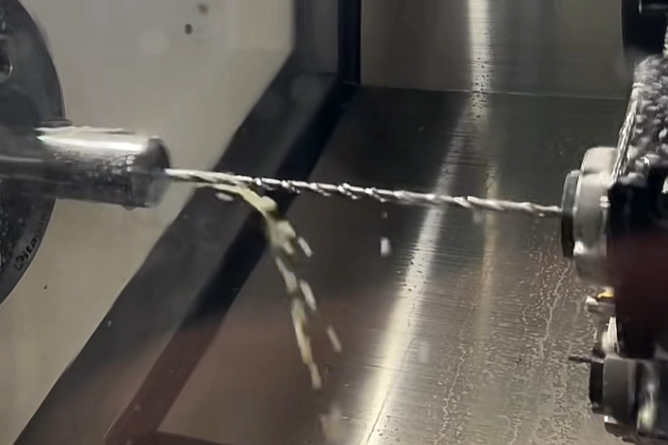
संरचनात्मक गहरे छिद्र घटकों के लिए कोर तकनीक
Neway AeroTech गहरे छिद्रों वाले संरचनात्मक घटकों के निर्माण के लिए उच्च-परिशुद्धता ड्रिलिंग और फिनिशिंग सिस्टम के साथ भारी शुल्क वाले वर्टिकल और हॉरिजॉन्टल सीएनसी सेंटर को एकीकृत करता है।
25×D गहराई पर टूल रनआउट ≤ 0.01 मिमी के साथ BTA और गन ड्रिलिंग
ऑर्थोगोनल विशेषताओं और लोड इंटरफेस के लिए 5-अक्ष मशीनिंग
छिद्र संरेखण के लिए तैयार किए गए वैक्यूम इन्वेस्टमेंट कास्टिंग या फोर्ज्ड ब्लैंक
संकेन्द्रता सुनिश्चित करने के लिए बोर सपोर्ट जिग और एंटी-वाइब्रेशन फिक्स्चरिंग
उत्पादन रन से पहले प्रत्येक पास को मान्य करने के लिए सीएनसी प्रोग्रामिंग और सिमुलेशन टूल का उपयोग किया जाता है।
गहरे छिद्र संरचनात्मक अनुप्रयोगों के लिए विशिष्ट सुपरमिश्र धातु सामग्री
मिश्र धातु | अधिकतम तापमान (°C) | यील्ड स्ट्रेंथ (MPa) | अनुप्रयोग |
|---|---|---|---|
704 | 1035 | जेट इंजन कैसिंग, बेयरिंग सपोर्ट | |
980 | 950 | मिसाइल संरचनात्मक असेंबली | |
1140 | 980 | लोड-बेयरिंग टर्बाइन खंड | |
1175 | 790 | उच्च-तापमान फ्रेम, रिएक्टर कोर |
ये सामग्रियां निरंतर यांत्रिक तनाव के उत्कृष्ट थकान, रेंगने (creep) और तापीय प्रतिरोध के लिए चुनी गई हैं।
केस स्टडी: गहरे कूलिंग बोर वाला Inconel 718 संरचनात्मक फ्रेम
परियोजना पृष्ठभूमि
एक एयरोस्पेस ग्राहक को 420 मिमी मोटे Inconel 718 संरचनात्मक रिंग की आवश्यकता थी जिसमें 25×D पर दो 6 मिमी व्यास वाले छिद्र थे। इन छिद्रों को 0.007 मिमी के भीतर संकेन्द्रित होना था, Ra ≤ 0.5 μm, और असेंबली के बाद दबाव-टाइट होना था। उन्नत फिक्स्चरिंग और निरीक्षण के साथ गन ड्रिलिंग और मल्टी-एक्सिस सीएनसी मशीनिंग को संयोजित किया गया था।
विशिष्ट गहरे छिद्र घटक मॉडल और अनुप्रयोग
मॉडल | विवरण | सामग्री | गहराई अनुपात | उद्योग |
|---|---|---|---|---|
SBC-700 | दोहरे छिद्रों वाला संरचनात्मक बीम ब्लॉक | Inconel 718 | 24×D | |
LBS-550 | कूलिंग डक्ट्स वाला लोड-बेयरिंग टर्बाइन खंड | CMSX-4 | 22×D | |
PRF-400 | सीढ़ीदार आंतरिक छिद्र वाला दबाव रिंग | Rene 41 | 25×D | |
RCS-600 | तापीय चैनल वाला रिएक्टर कोर सपोर्ट पाइप | Hastelloy X | 20×D |
ये भाग उतार-चढ़ाव वाले लोड और तापीय झटके के तहत काम करते हैं, जिसके लिए सटीक छिद्र स्थान और टिकाऊपन की आवश्यकता होती है।
गहरे छिद्र सुपरमिश्र धातु संरचनाओं में मशीनिंग चुनौतियां
लंबी दूरियों पर ऑफ-सेंटर गलत संरेखण से बचने के लिए प्रवेश कोण सटीकता ±0.01 मिमी
ड्रिलिंग और फिनिशिंग के दौरान फोर्ज्ड भागों में तापीय तनाव और विक्षेपण
प्रवाह-महत्वपूर्ण चैनलों के लिए सतह फिनिश Ra ≤ 0.5 μm
छिद्र की सीधेपन को प्रभावित करने वाली आंतरिक कंपन और टूल हार्मोनिक्स
तनाव राहत के बिना लोड के तहत मशीनिंग के बाद विरूपण
गहरे छिद्र संरचनात्मक भाग मशीनिंग के लिए सीएनसी समाधान
चिप निकासी के लिए वाइब्रेशन डैम्पर्स और 100 बार कूलेंट दबाव के साथ गन ड्रिलिंग
आंतरिक ग्रेन संरचनाओं को स्थिर करने के लिए पूर्व-मशीनिंग हीट ट्रीटमेंट
नियंत्रित पेक ड्रिलिंग और कम चिप लोड के साथ 5-अक्ष रफ-फिनिशिंग
दरार रोकथाम के लिए ड्रिलिंग के बाद HIP और सतह उपचार
सत्यापन के लिए एकीकृत CMM सत्यापन और 3D लेजर स्कैनिंग
परिणाम और सत्यापन
विनिर्माण विधियां
प्रत्येक घटक को कास्ट या फोर्ज किया गया, फिर पेक और कूलेंट-फेड चक्रों के साथ गहरे छिद्र ड्रिलिंग का उपयोग करके रफ-मिल्ड और ड्रिल किया गया। 150 मिमी पर बोर अक्ष विचलन 0.008 मिमी के भीतर रखा गया था।
परिशुद्ध फिनिशिंग
महत्वपूर्ण विशेषताओं को Ra ≤ 0.4 μm तक EDM-पॉलिश किया गया। थ्रेडेड पोर्ट्स को ISO 6H तक सीएनसी मिल किया गया। दबाव सीलिंग के लिए बोर निकास और इनलेट चेहरे ने 0.01 मिमी के भीतर समतलता बनाए रखी।
पोस्ट-प्रोसेसिंग
संचालन के बीच HIP और तनाव राहत चक्र लागू किए गए। अनुप्रयोग स्पेक्स के अनुसार अंतिम पैसिवेशन या TBC कोटिंग जोड़ी गई। वैकल्पिक वेल्डिंग या जॉइनिंग सतहें आवश्यक फिट सहनशीलता के लिए मशीन की गईं।
निरीक्षण
CMM ने आयामी सटीकता सुनिश्चित की। X-ray ने छिद्र स्थिरता और सीधेपन को सत्यापित किया। SEM विश्लेषण ने ड्रिलिंग के बाद सतह अखंडता और माइक्रोस्ट्रक्चर को मान्य किया।
अक्सर पूछे जाने वाले प्रश्न (FAQs)
सुपरमिश्र धातु संरचनात्मक भागों में किस गहराई के छिद्र प्राप्त किए जा सकते हैं?
गहरे संरचनात्मक घटकों में छिद्र की सीधेपन को कैसे सत्यापित किया जाता है?
छिद्र-महत्वपूर्ण एयरोस्पेस संरचनाओं के लिए किन मिश्र धातुओं को प्राथमिकता दी जाती है?
क्या ये छिद्र विकृति के बिना चक्रीय लोडिंग को सहन कर सकते हैं?
परमाणु-रेटेड भागों के लिए किस पोस्ट-प्रोसेसिंग की आवश्यकता है?
