
इनकॉनेल 718 सुपरमिश्र धातु के 3D प्रिंटेड एग्जॉस्ट सिस्टम पार्ट्स का विनिर्माण
एडिटिव मैन्युफैक्चरिंग के माध्यम से इनकॉनेल 718 एग्जॉस्ट घटकों का परिचय
इनकॉनेल 718 एक निकेल-आधारित सुपरमिश्र धातु है जिसे चरम तापीय और यांत्रिक तनाव के तहत निरंतर प्रदर्शन के लिए इंजीनियर किया गया है। इसकी उच्च-तापमान शक्ति, ऑक्सीकरण प्रतिरोध और थकान सहनशक्ति इसे एयरोस्पेस, ऑटोमोटिव और ऊर्जा उद्योगों में जटिल एग्जॉस्ट सिस्टम पार्ट्स के 3D प्रिंटिंग के लिए आदर्श बनाती है।
न्यूवे एरोटेक में, हमारी इनकॉनेल 718 एडिटिव मैन्युफैक्चरिंग सेवाएं चयनात्मक लेजर मेल्टिंग (SLM) और निर्देशित ऊर्जा जमाव (DED) तकनीकों का उपयोग करके टर्बो एग्जॉस्ट कलेक्टर, नोजल, डक्ट और फ्लेंज के कुशल उत्पादन को सक्षम बनाती हैं।
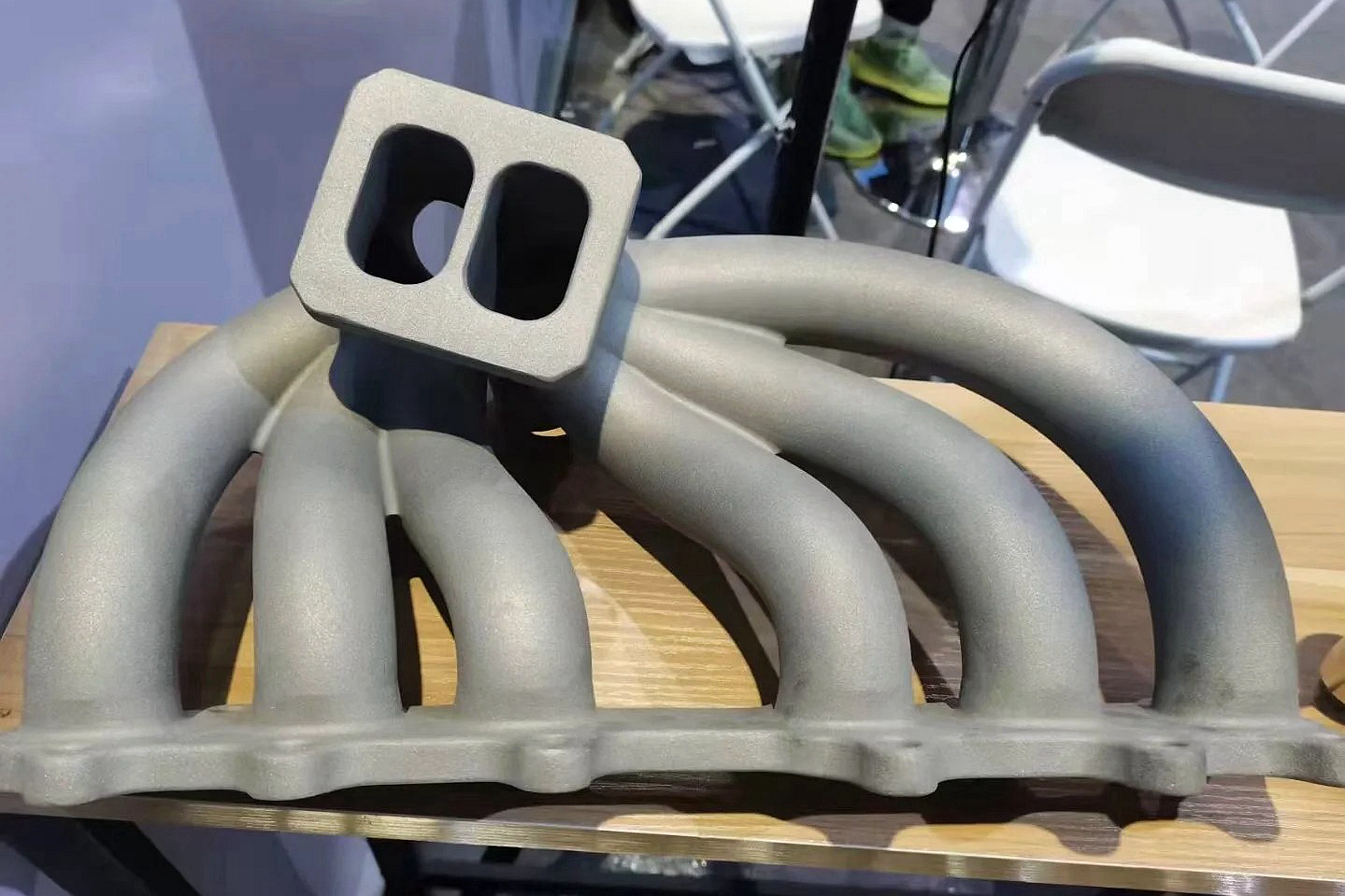
इनकॉनेल एग्जॉस्ट पार्ट्स के लिए एडिटिव मैन्युफैक्चरिंग विधियाँ
प्रमुख तकनीकें और पैरामीटर
तकनीक | परत की मोटाई (μm) | रिज़ॉल्यूशन (mm) | फीचर साइज | उपयुक्त पार्ट्स |
|---|---|---|---|---|
SLM | 30–50 | ±0.05 | ≥0.3 | फ्लेंज, डक्ट, नोजल, जटिल जोड़ |
DED (LMD) | 300–800 | ±0.2 | ≥1.0 | कोहनी, मैनिफोल्ड की मरम्मत या बिल्डअप |
छोटे से मध्यम आकार के जटिल पार्ट्स के लिए SLM वरीयता दी जाती है; बड़े खंडों और हाइब्रिड बिल्ड के लिए DED आदर्श है।
एग्जॉस्ट सिस्टम के लिए इनकॉनेल 718 क्यों आदर्श है
गुण | मान | एग्जॉस्ट अनुप्रयोगों में लाभ |
|---|---|---|
संचालन तापमान सीमा | 980°C तक | कम विकृति के साथ उच्च गैस प्रवाह की गर्मी को बनाए रखता है |
700°C पर यील्ड स्ट्रेंथ | ≥ 720 MPa | गतिशील तापीय चक्रों के तहत रूप बनाए रखता है |
ऑक्सीकरण प्रतिरोध | 1000°C तक उत्कृष्ट | गर्म एग्जॉस्ट के तहत स्केलिंग और विफलता को रोकता है |
थकान प्रतिरोध | 650 MPa पर >10⁸ चक्र | कंपन, स्पंदन और दबाव परिवर्तनों को संभालता है |
तापीय चालकता | 11.4 W/m·K | तापीय पृथक्करण और स्थिर संचालन बनाए रखता है |
सामग्री और पोस्ट-प्रोसेसिंग रणनीति
सामग्री: इनकॉनेल 718, गैस एटमाइज्ड, SLM के लिए D50 ~35 μm।
हीट ट्रीटमेंट: इष्टतम शक्ति के लिए 980°C पर सॉल्यूशन ट्रीटमेंट + 720°C/8घंटे + 620°C/8घंटे पर एजिंग।
HIP: आंतरिक सरंध्रता को खत्म करने के लिए थकान-महत्वपूर्ण घटकों के लिए बिल्ड के बाद लागू किया जाता है।
CNC मशीनिंग: फ्लेंज सतहों, थ्रेड्स या मिलान प्लेनों को ±0.01 मिमी तक फिनिश करता है।
केस स्टडी: एयरोस्पेस टर्बाइन के लिए 3D प्रिंटेड इनकॉनेल 718 एग्जॉस्ट कलेक्टर
परियोजना पृष्ठभूमि
एक एयरोस्पेस ग्राहक को गैस टर्बाइन APU के लिए एक कॉम्पैक्ट, उच्च-प्रवाह एग्जॉस्ट कलेक्टर की आवश्यकता थी। डिज़ाइन बाधाओं में तंग आयतन, बहु-दिशात्मक गैस राउटिंग, और >950°C का संचालन तापमान शामिल था। पारंपरिक कास्टिंग और वेल्डिंग के लिए बहु-भाग असेंबली और लंबे लीड समय की आवश्यकता होगी।
विनिर्माण वर्कफ़्लो
डिज़ाइन: 1.5–2.0 मिमी की दीवार की मोटाई और एकीकृत रनर के साथ CAD मॉडल आयात किया गया।
प्रिंटिंग प्रक्रिया: 40 μm परतें, 350 W लेजर, आर्गन शील्डिंग के साथ SLM।
बिल्ड ओरिएंटेशन: एग्जॉस्ट प्रवाह क्षेत्रों में सपोर्ट को कम करने के लिए लंबवत संरेखित।
पोस्ट-प्रोसेसिंग: 4 घंटे के लिए 1200°C / 100 MPa पर HIP, CNC फ्लेंज फिनिशिंग, सतह की टिकाऊपन के लिए पासिवेशन।
गुणवत्ता नियंत्रण: X-रे निरीक्षण, CMM निरीक्षण, और 3.5 बार पर दबाव/लीक टेस्टिंग।
परिणाम और सत्यापन
अंतिम भाग ने पिछले कास्ट डिज़ाइन की तुलना में 27% वजन में कमी हासिल की और तीन वेल्ड जोड़ों को समाप्त कर दिया। यांत्रिक परीक्षण में 98% से अधिक घनत्व, 1240 MPa की तन्य शक्ति, और 960°C पर तापीय चक्रण के बाद शून्य दरारें या विकृति दिखाई दी। इस भाग ने फ्लाइट हार्डवेयर एकीकरण के लिए योग्यता प्राप्त कर ली।
अक्सर पूछे जाने वाले प्रश्न (FAQs)
इनकॉनेल 718 एग्जॉस्ट 3D प्रिंट्स के लिए प्राप्त करने योग्य विशिष्ट दीवार की मोटाई क्या है?
SLM इनकॉनेल फोर्ज्ड या कास्ट टर्बो घटकों की तुलना में कैसे है?
क्या सभी इनकॉनेल एग्जॉस्ट पार्ट्स के लिए HIP आवश्यक है, या केवल दबाव घटकों के लिए?
क्या जटिल फ्लेंज वाले जोड़ और डक्ट को एक ही टुकड़े के रूप में प्रिंट किया जा सकता है?
आंतरिक गैस प्रवाह में सुधार के लिए सतह फिनिशिंग के विकल्प क्या हैं?
