
सटीक सुपरएलॉय पार्ट्स निर्माण के लिए विद्युत निर्वहन मशीनिंग (ईडीएम)
उच्च-शक्ति, गर्मी-प्रतिरोधी मिश्र धातुओं के लिए गैर-संपर्क मशीनिंग
इनकोनेल, रेने, सीएमएसएक्स, और हैस्टेलॉय जैसे सुपरएलॉय का व्यापक रूप से टर्बाइन इंजन, दहन कक्ष और हीट एक्सचेंजर में उपयोग किया जाता है। इनकी अत्यधिक कठोरता, कम तापीय चालकता और कार्य-कठोरीकरण गुणों के कारण, ये मिश्र धातु पारंपरिक मशीनिंग के लिए चुनौतियाँ पेश करते हैं। विद्युत निर्वहन मशीनिंग (ईडीएम) असाधारण सटीकता के साथ जटिल ज्यामिति, सूक्ष्म संरचनाओं और गहरे फीचर्स के निर्माण के लिए एक गैर-संपर्क समाधान प्रदान करती है।
न्यूवे एयरोटेक एयरोस्पेस, ऊर्जा और परमाणु अनुप्रयोगों के लिए सुपरएलॉय ईडीएम सेवाएं प्रदान करता है। हमारी ईडीएम क्षमताओं में जटिल पार्ट ज्यामिति और गर्मी-संवेदनशील सामग्रियों के लिए अनुकूलित वायर, सिंकर और होल ड्रिलिंग प्रक्रियाएं शामिल हैं।
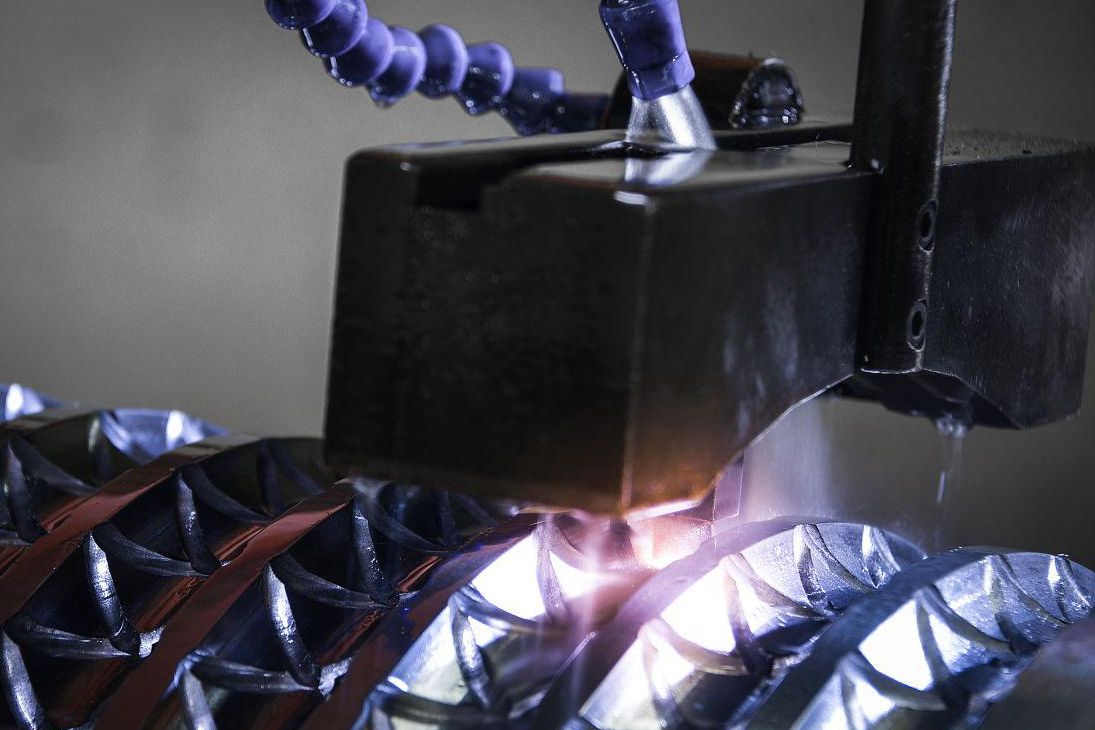
सुपरएलॉय निर्माण के लिए ईडीएम तकनीकें
ईडीएम यांत्रिक बल के बिना सामग्री को हटाने के लिए एक डाइइलेक्ट्रिक तरल पदार्थ में एक टूल और वर्कपीस के बीच विद्युत निर्वहन का उपयोग करता है।
प्रोफाइल कटिंग, स्लॉट और पतली दीवार वाली संरचनाओं के लिए वायर ईडीएम
गुहाओं, टिप पुनर्स्थापना और तेज कोनों के लिए सिंकर ईडीएम
गहराई-से-व्यास अनुपात >20×D पर ≤0.3 मिमी व्यास वाले छिद्रों के लिए माइक्रो-होल ईडीएम
कोणीय चैनलों और आंतरिक फीचर फिनिशिंग के लिए ऑर्बिटल और मल्टी-एक्सिस ईडीएम
ईडीएम टूल विक्षेपण या गर्मी-प्रभावित विरूपण को प्रेरित किए बिना 60 एचआरसी तक कठोर मिश्र धातुओं की मशीनिंग को सक्षम बनाता है।
ईडीएम के माध्यम से सामान्यतः प्रसंस्कृत सुपरएलॉय
मिश्र धातु | अधिकतम तापमान (°C) | सामान्य अनुप्रयोग | ईडीएम प्रक्रिया |
|---|---|---|---|
704 | ईंधन नोजल, टर्बाइन शाफ्ट | सिंकर + होल ईडीएम | |
980 | नोजल, वेन सेगमेंट | वायर ईडीएम | |
1140 | एयरफॉइल, ब्लेड | होल ईडीएम, ट्रेलिंग एज | |
1175 | डक्ट, दहन कक्ष पार्ट्स | सिंकर ईडीएम |
ईडीएम आंतरिक आकृतियों, प्रतिच्छेदी मार्गों और पतली दीवार क्रॉस सेक्शन वाले पार्ट्स के निर्माण और मरम्मत का समर्थन करता है।
केस स्टडी: सीएमएसएक्स-4 कूलिंग एयरफॉइल पर माइक्रो-होल ईडीएम
परियोजना पृष्ठभूमि
एक टर्बाइन ग्राहक को फिल्म कूलिंग के लिए सीएमएसएक्स-4 एयरफॉइल में 0.3 मिमी व्यास के छिद्रों की आवश्यकता थी। छिद्रों की गहराई 6 मिमी और सहनशीलता ±0.008 मिमी थी। रफ मशीनिंग के बाद होल ईडीएम का उपयोग किया गया। अंतिम रीकास्ट परत ≤2 μm थी, और गोलाई विचलन 5 μm से कम रहा।
विशिष्ट ईडीएम अनुप्रयोग और उद्योग
घटक | मिश्र धातु | ईडीएम प्रकार | उद्योग |
|---|---|---|---|
कूलिंग एयरफॉइल | सीएमएसएक्स-4 | होल ईडीएम | |
दहन लाइनर | हैस्टेलॉय एक्स | सिंकर ईडीएम | |
टर्बाइन सील | इनकोनेल 718 | वायर ईडीएम | |
वेन सेगमेंट | रेने 88 | वायर + होल ईडीएम |
ईडीएम विशेष रूप से प्रभावी है जहां बारीक सहनशीलता और कम तापीय विरूपण की आवश्यकता होती है।
सुपरएलॉय पार्ट्स की ईडीएम मशीनिंग में चुनौतियाँ
रीकास्ट परत >3 μm थकान दरार शुरुआत की ओर ले जाती है—फिनिशिंग पास या पोस्ट-ईडीएम पॉलिश की आवश्यकता होती है
उच्च ऊर्जा पर डाइइलेक्ट्रिक ब्रेकडाउन पतले सेक्शन में माइक्रोक्रैक का कारण बन सकता है
प्रति ऑपरेशन इलेक्ट्रोड वियर रेट >1% गहरी गुहाओं में आयामी नियंत्रण को प्रभावित करता है
गहरे छिद्रों में टेपर विचलन 0.02 मिमी से अधिक होने पर ऑर्बिटल पाथ के साथ सुधार किया जाना चाहिए
गर्मी-प्रभावित क्षेत्र (एचएजेड) टर्बाइन हार्डवेयर में 0.5 मिमी से नीचे नियंत्रण की आवश्यकता होती है
सुपरएलॉय निर्माण और मरम्मत के लिए ईडीएम समाधान
थकान-संवेदनशील पार्ट्स के लिए रीकास्ट परत को ≤1.5 μm तक कम करने के लिए कम-ऊर्जा फिनिशिंग साइकिल
सीएमएसएक्स और रेने ब्लेड में सटीक कोण ड्रिलिंग के लिए मल्टी-पास ऑर्बिटल ईडीएम
±0.005 मिमी के भीतर आयामी पुनरावृत्ति के लिए इलेक्ट्रोड क्षतिपूर्ति एल्गोरिदम
पोस्ट-ईडीएम हीट ट्रीटमेंट और ग्रेन बाउंड्री को पुनर्स्थापित करने के लिए सतह पैसिवेशन
सीएमएम और एसईएम निरीक्षण ज्यामिति और सूक्ष्म संरचना को सत्यापित करने के लिए
परिणाम और सत्यापन
प्रक्रिया निष्पादन
ईडीएम पूरी तरह से हीट-ट्रीटेड सुपरएलॉय सबस्ट्रेट पर किया गया। पल्स ऊर्जा, फीड रेट और डाइइलेक्ट्रिक को एडेप्टिव फीडबैक के माध्यम से नियंत्रित किया गया। इन-प्रोसेस सेंसर का उपयोग करके ज्यामिति सत्यापित की गई।
फिनिशिंग और सटीकता
अंतिम छिद्र व्यास ±0.008 मिमी तक रखे गए। सतह फिनिश Ra 0.3–0.5 μm प्राप्त किया गया। ब्रशिंग या कम-ऊर्जा फिनिश पास के माध्यम से रीकास्ट परत हटाई गई।
पोस्ट-प्रोसेसिंग
ईडीएम किए गए पार्ट्स ने अवशिष्ट तनाव राहत के लिए हीट ट्रीटमेंट किया। जहां जंग प्रतिरोध की आवश्यकता थी, वहां सतह साफ की गई और पैसिवेटेड की गई।
निरीक्षण
सीएमएम ने आयामी लक्ष्यों की पुष्टि की। एक्स-रे ने बोर सीधापन सत्यापित किया। एसईएम ने दरार-मुक्त सूक्ष्म संरचना और एचएजेड गुणवत्ता की पुष्टि की।
अक्सर पूछे जाने वाले प्रश्न
इनकोनेल और सीएमएसएक्स पार्ट्स के लिए कौन सी ईडीएम प्रक्रियाएं सर्वोत्तम हैं?
ईडीएम मशीनिंग के बाद रीकास्ट परत कैसे हटाई जाती है?
क्या ईडीएम का उपयोग टर्बाइन ब्लेड टिप्स या एयरफॉइल की मरम्मत के लिए किया जा सकता है?
ईडीएम-मशीनीकृत छिद्रों की विशिष्ट स्थितिगत सहनशीलता क्या है?
गुणवत्ता आश्वासन के लिए ईडीएम घटकों का निरीक्षण कैसे किया जाता है?
