थर्मोप्लास्टिक्स
सामग्री परिचय
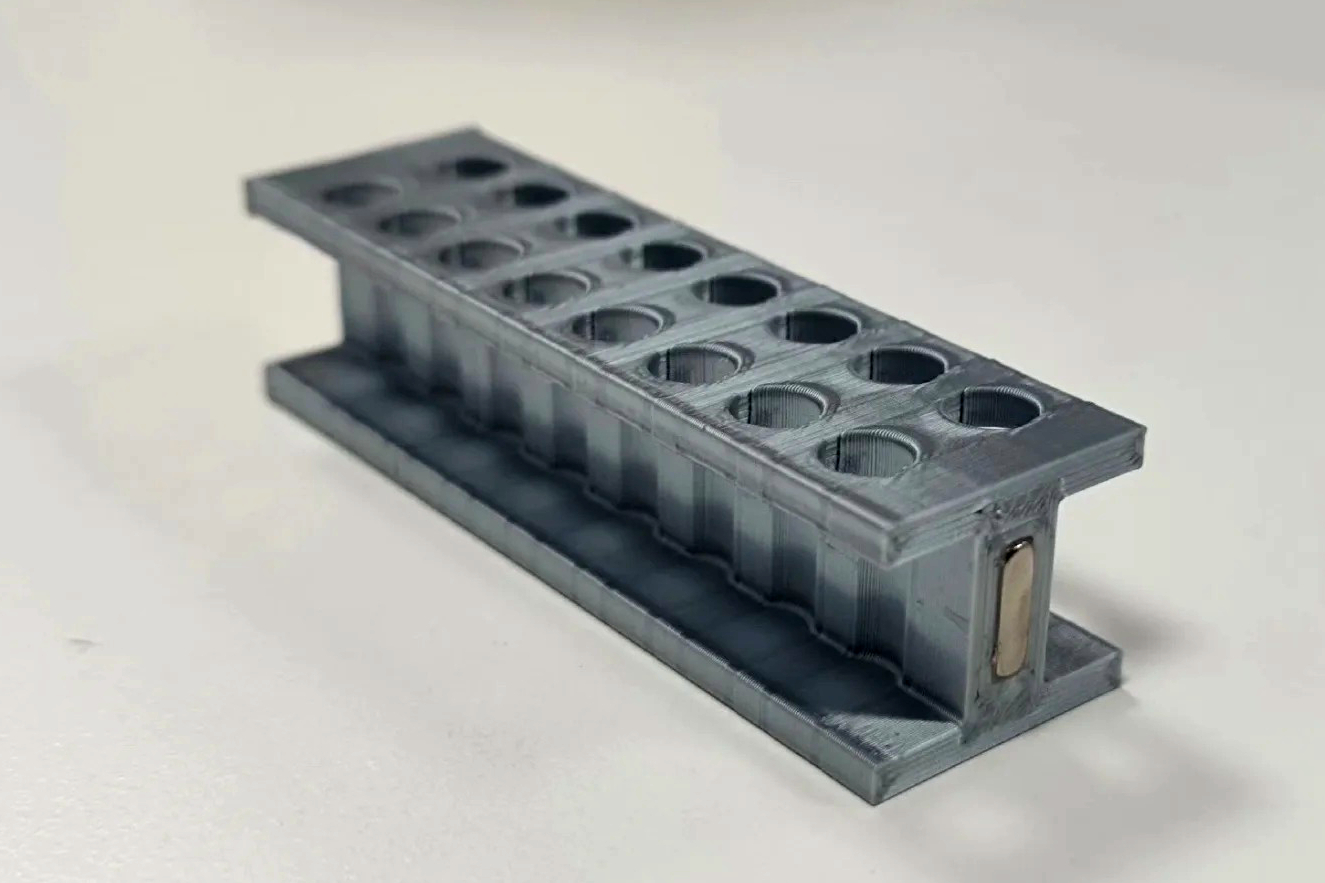
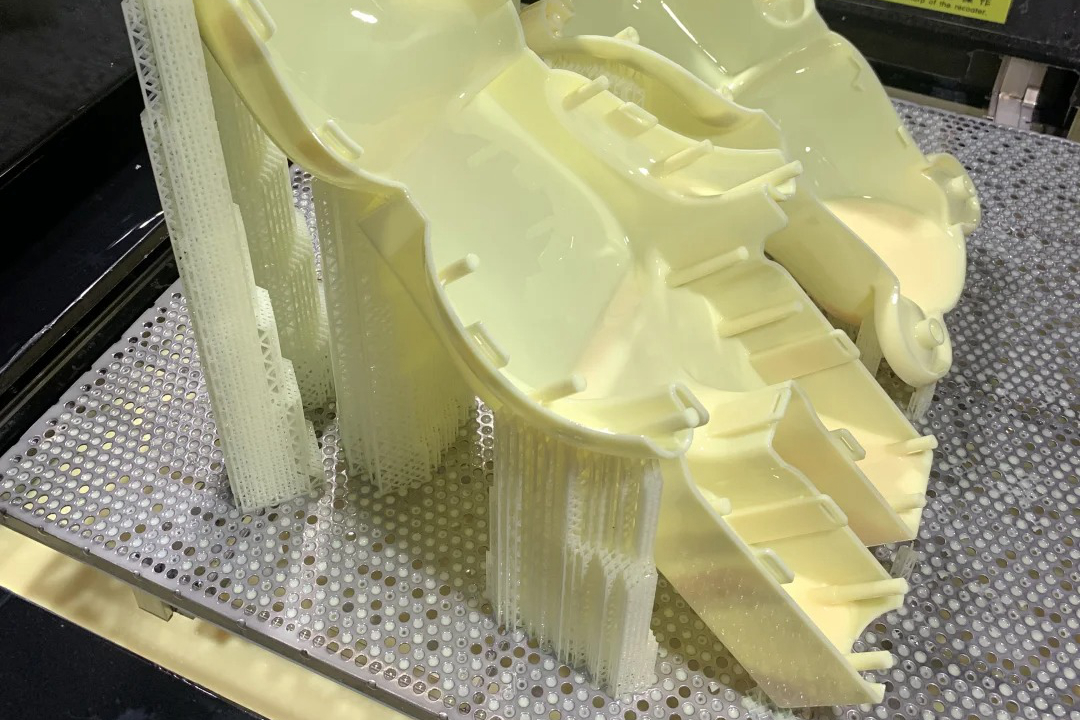
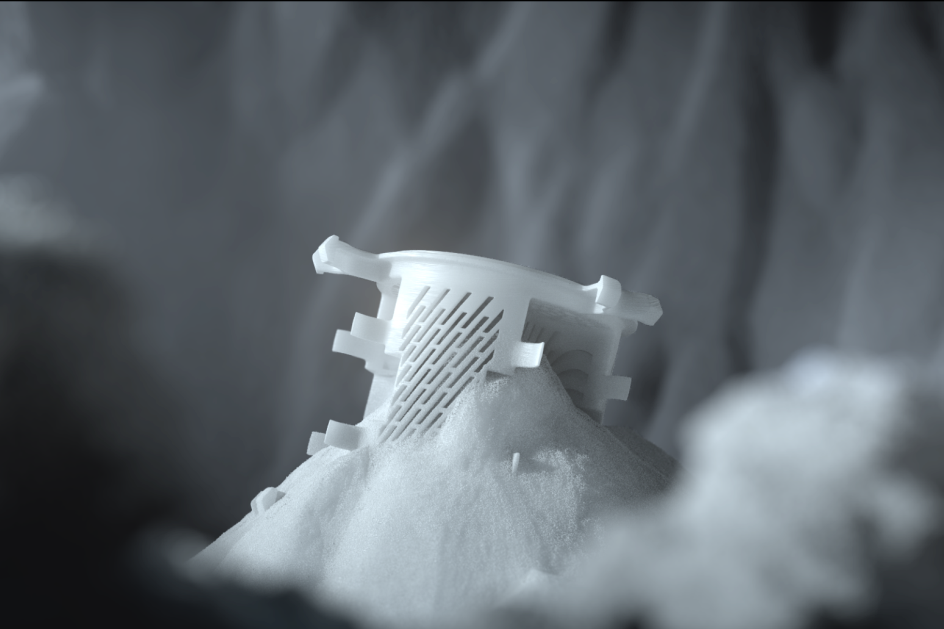
थर्मोप्लास्टिक्स आधुनिक योगात्मक विनिर्माण (additive manufacturing) में सबसे बहुमुखी और व्यापक रूप से उपयोग की जाने वाली सामग्री श्रेणी का प्रतिनिधित्व करते हैं। गर्म करने पर नरम होने और ठंडा होने पर ठोस होने की उनकी क्षमता कुशल आकार देना, पुनः प्रसंस्करण और उच्च-थ्रूपुट निर्माण को सक्षम बनाती है। 3D प्रिंटिंग में, थर्मोप्लास्टिक्स FDM/FFF, SLS और औद्योगिक पॉलिमर लेजर सिंटरिंग जैसी तकनीकों का समर्थन करते हैं, जो यांत्रिक प्रदर्शन, रासायनिक स्थिरता और डिज़ाइन लचीलेपन का उत्कृष्ट संतुलन प्रदान करते हैं। Neway AeroTech की उन्नत थर्मोप्लास्टिक 3D प्रिंटिंग के माध्यम से, इंजीनियर अपवादशायरी आयामी सटीकता के साथ प्रोटोटाइप, कार्यात्मक घटक, हाउसिंग, जिग्स, फिक्स्चर और अंतिम-उपयोग औद्योगिक पुर्जों का उत्पादन कर सकते हैं। थर्मोप्लास्टिक्स में बुनियादी PLA और ABS से लेकर उच्च-प्रदर्शन इंजीनियरिंग पॉलिमर जैसे नायलॉन, TPU, PC, PETG और PEEK तक की सामग्रियों की एक श्रृंखला शामिल है, जो एयरोस्पेस, ऑटोमोटिव, इलेक्ट्रॉनिक्स, टूलिंग और उपभोक्ता उत्पादों सहित विभिन्न अनुप्रयोगों के लिए उपयुक्त शक्ति, ताप प्रतिरोध, लचीलेपन और टिकाऊपन के अनूठे संयोजन प्रदान करती है।

अंतर्राष्ट्रीय नाम या प्रतिनिधि पॉलिमर
क्षेत्र | सामान्य नाम | प्रतिनिधि ग्रेड |
|---|---|---|
USA | थर्मोप्लास्टिक्स | PLA, ABS, Nylon, TPU |
Europe | इंजीनियरिंग प्लास्टिक्स | PA12, PETG, PC |
Japan | औद्योगिक पॉलिमर | PEEK, PC, ABS |
China | थर्मोप्लास्टिक्स (热塑性塑料) | PLA, ABS, PA, TPU |
उद्योग वर्गीकरण | पॉलिमर सामग्री | कमोडिटी, इंजीनियरिंग, उच्च-प्रदर्शन |
वैकल्पिक सामग्री विकल्प
जब थर्मोप्लास्टिक्स प्रदर्शन आवश्यकताओं को पूरी तरह से पूरा नहीं करते हैं, तो शक्ति, तापमान प्रतिरोध, रासायनिक प्रतिरोध या आयामी स्थिरता जैसे कारकों के आधार पर कई अन्य सामग्रियों पर विचार किया जा सकता है। उच्च यांत्रिक प्रदर्शन या रासायनिक प्रतिरोध के लिए, इंजीनियरिंग प्लास्टिक्स जैसे उच्च-प्रदर्शन प्लास्टिक्स और पॉलीकार्बोनेट बेहतर कठोरता और ताप सहनशीलता प्रदान करते हैं। जब धातु जैसी शक्ति की आवश्यकता होती है, तो इंजीनियर स्टेनलेस स्टील 3D प्रिंटिंग जैसे औद्योगिक धातु AM या एल्यूमीनियम 3D प्रिंटिंग जैसे हल्के मिश्र धातुओं का लाभ उठा सकते हैं। अत्यंत उच्च-तापमान वाले वातावरण के लिए, हैस्टेलॉय जैसे निकल मिश्र धातु या Ti-13V-11Cr-3Al (TC11) जैसे टाइटेनियम सामग्री बेहतर तापीय स्थिरता प्रदान करते हैं। लचीले और रबर जैसे घटकों का उत्पादन TPU जैसे इलास्टोमर्स का उपयोग करके किया जा सकता है। ये विकल्प यह सुनिश्चित करते हैं कि डिजाइनर सामग्री के प्रदर्शन को कार्यात्मक और पर्यावरणीय आवश्यकताओं के साथ सटीक रूप से मिला सकें।
डिज़ाइन उद्देश्य
थर्मोप्लास्टिक्स को मध्यम तापमान पर पुनः प्रसंस्करण योग्यता, हल्की संरचना, रासायनिक प्रतिरोध और विनिर्माण योग्यता प्रदान करने के लिए विकसित किया गया था। बार-बार पिघलने और पुनः आकार देने की उनकी क्षमता उन्हें उच्च-दक्षता वाले रूपण प्रक्रियाओं के लिए आदर्श बनाती है। 3D प्रिंटिंग में, डिज़ाइन इरादा तेज़ प्रोटोटाइपिंग, लागत-प्रभावी टूलिंग, हल्के कार्यात्मक घटकों और लचीले डिज़ाइन परीक्षण को सक्षम बनाने तक विस्तारित होता है। इंजीनियरिंग-ग्रेड थर्मोप्लास्टिक्स शक्ति, थकान प्रतिरोध, तापीय स्थिरता और कठोरता में महत्वपूर्ण सुधार प्रदान करते हैं, जो उन मांग वाली उद्योगों का समर्थन करते हैं जिन्हें अनुकूलित ज्यामिति और विश्वसनीय प्रदर्शन की आवश्यकता होती है।
रासायनिक संरचना (सामान्यीकृत)
पॉलिमर प्रकार | प्राथमिक संरचना |
|---|---|
PLA | पॉलीलैक्टिक एसिड (बायोपॉलिमर) |
ABS | एक्रिलोनाइट्राइल, ब्यूटाडाइन, स्टाइरीन |
Nylon (PA) | पॉलीमाइड श्रृंखलाएं |
PETG | पॉलीएथिलीन टेरेफ्थालेट ग्लाइकोल |
TPU | थर्मोप्लास्टिक पॉलीयूरेथेन |
PC | पॉलीकार्बोनेट पॉलिमर श्रृंखला |
PEEK | पॉलीईथर ईथर कीटोन सुगंधित श्रृंखला |
भौतिक गुण (विशिष्ट सीमा)
गुण | मान |
|---|---|
घनत्व | 1.0–1.3 g/cm³ |
गलनांक | 60–340°C (पॉलिमर पर निर्भर) |
तापीय चालकता | 0.2–0.3 W/m·K |
हीट डिफ्लेक्��न तापमान | 50–250°C |
जल अवशोषण | कम से मध्यम |
यांत्रिक गुण (विशिष्ट सीमा)
गुण | मान |
|---|---|
तन्य शक्ति | 30–100 MPa |
फ्लेक्सुरल शक्ति | 40–150 MPa |
ब्रेक पर दीर्घीकरण | 3–500% (पॉलिमर पर निर्भर) |
कठोरता | Shore A 80 से Shore D 80 |
प्रभाव प्रतिरोध | मध्यम से बहुत उच्च |
मुख्य सामग्री विशेषताएं
प्रोटोटाइप और कार्यात्मक पुर्जों के लिए उपयुक्त यांत्रिक गुणों की विस्तृत श्रृंखला
कम ऊर्जा खपत के साथ प्रसंस्करण में आसान और हल्का
FDM, SLS और पॉलिमर लेजर सिंटरिंग के लिए उत्कृष्ट अनुकूलनीयता
पॉलिमर परिवार के आधार पर अच्छा रासायनिक प्रतिरोध
लचीले, कठोर, पारदर्शी या उच्च-प्रदर्शन अनुप्रयोगों का समर्थन करता है
बड़े पैमाने पर प्रिंटिंग और जटिल ज्यामिति के लिए उपयुक्त
टिकाऊ विनिर्माण के लिए PLA जैसे जैव-अपघटनीय विकल्प शामिल हैं
नायलॉन और TPU जैसी सामग्रियों में उच्च थकान प्रतिरोध
पॉलिशिंग या वेपर स्मूथिंग के माध्यम से उत्कृष्ट सतह फिनिश विकल्प प्रदान करता है
विनिर्माण पुनरावृत्ति और श्रृंखला उत्पादन दोनों के लिए लागत-प्रभावी
विभिन्न प्रक्रियाओं में विनिर्माण योग्यता
योगात्मक विनिर्माण: थर्मोप्लास्टिक AM का उपयोग करके FDM/FFF और SLS के लिए आदर्श।
बहु-सामग्री प्रिंटिंग: TPU जैसे लचीले पॉलिमर द्वारा समर्थित।
उच्च-प्रदर्शन AM: PEEK जैसी सामग्रियों के लिए नियंत्रित तापीय कक्षों की आवश्यकता होती है।
प्रोटोटाइपिंग: PLA जैसी सामग्रियों के साथ तेज़ प्रिंटिंग।
कार्यात्मक पुर्जे: नायलॉन या प्रबलित कंपोजिट जैसे मजबूत इंजीनियरिंग पॉलिमर।
CNC मशीनिंग: फिनिशिंग संचालन के लिए कई थर्मोप्लास्टिक्स को मशीन किया जा सकता है।
मोल्डिंग: थर्मोप्लास्टिक्स अंतर्निहित रूप से इंजेक्शन मोल्डिंग का समर्थन करते हैं, जो AM-से-मोल्ड संक्रमण के लिए डिज़ाइन को लाभान्वित करते हैं।
रेजिन विकल्प: जब उच्च विवरण की आवश्यकता होती है तो कुछ आकार फोटोपॉलिमर रेजिन में बदले जा सकते हैं।
उपयुक्त पोस्ट-प्रोसेसिंग विधियां
वेपर पॉलिशिंग के माध्यम से सतह को चिकना करना, विशेष रूप से ABS के लिए
आयामी स्थिरता और बेहतर शक्ति के लिए एनीलिंग
दिखावे में वृद्धि के लिए पेंटिंग, कोटिंग या प्लेटिंग
तंग-सहिष्णुता समायोजन के लिए मशीनिंग और ड्रिलिंग
अवशिष्ट तनावों को कम करने के लिए तापीय कंडिशनिंग
हॉट आइसोस्टैटिक प्रेसिंग लागू नहीं है, लेकिन पॉलिमर तापीय स्थिरीकरण से गुजर सकते हैं
संरचनात्मक स्थिरता के लिए सामग्री परीक्षण और विश्लेषण के माध्यम से गैर-विनाशकारी निरीक्षण
SLS नायलॉन घटकों के लिए रंगाई या रंग फिनिशिंग
सामान्य उद्योग और अनुप्रयोग
उपभोक्ता इलेक्ट्रॉनिक्स हाउसिंग और संरचनात्मक घटक
एयरोस्पेस आंतरिक पुर्जे और गैर-लोड-बेयरिंग असेंबली
ऑटोमोटिव डैशबोर्ड, क्लिप, फिक्स्चर और हल्के कवर
चिकित्सा मॉडल, गाइड और प्रोटोटाइपिंग टूल
औद्योगिक जिग्स, फिक्स्चर और पैकेजिंग घटक
रोबोटिक्स, ऑटोमेशन हाउसिंग और सेंसर एन्क्लोजर
इस सामग्री को कब चुनें
जब कम सामग्री लागत के साथ त्वरित प्रोटोटाइपिंग की आवश्यकता हो
जब कार्यात्मकता के लिए हल्के, गैर-धातु घटक पर्याप्त हों
जब लचीलेपन, पारदर्शिता या सॉफ्ट-टच गुणों की आवश्यकता हो
जब रासायनिक प्रतिरोध या थकान प्रदर्शन आवश्यक हो
जब प्रोटोटाइप से बड़े पैमाने पर उत्पादन इंजेक्शन मोल्डिंग में संक्रमण हो रहा हो
जब पर्यावरणीय स्थिरता या जैव-अपघटनशीलता предпочтительна हो (PLA)
जब न्यूनतम डिज़ाइन प्रतिबंधों के साथ जटिल ज्यामिति का उत्पादन करना हो
जब इंजीनियरिंग-ग्रेड अनुप्रयोगों के लिए उच्च-प्रदर्शन पॉलिमर की आवश्यकता हो
संबंधित ब्लॉग एक्सप्लोर करें