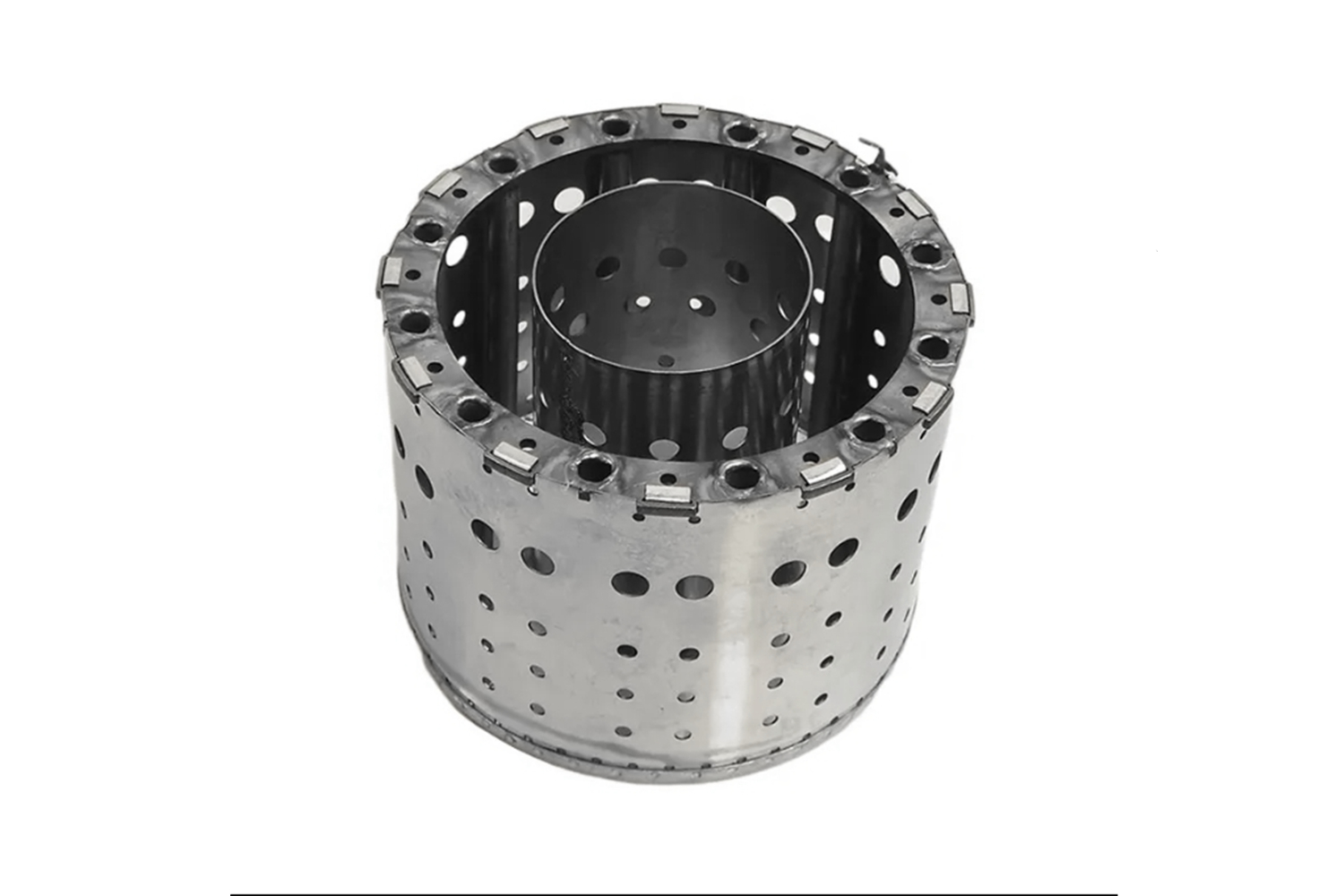
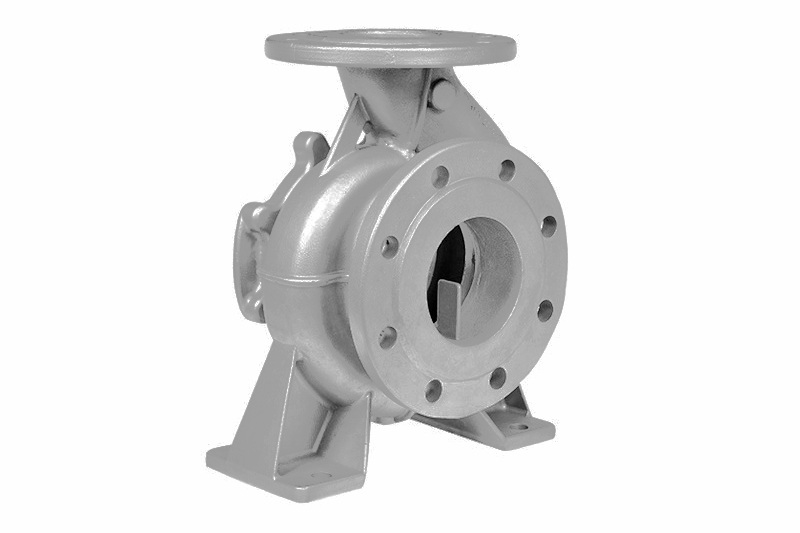
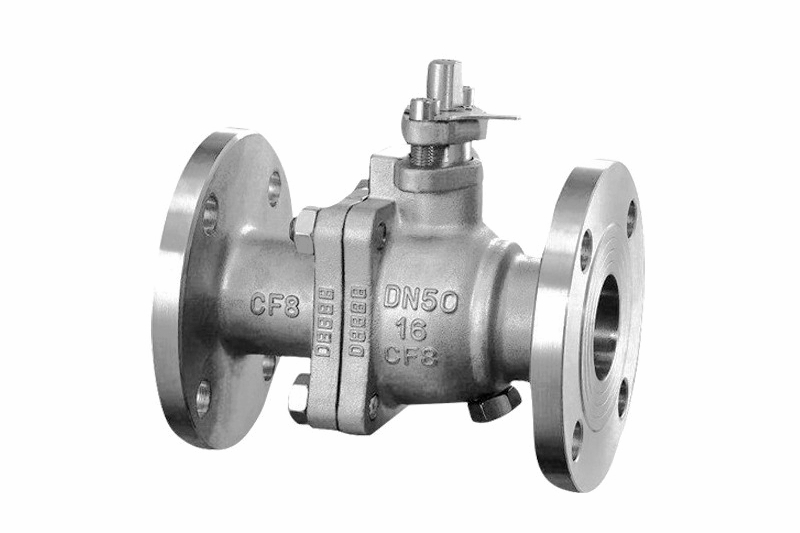
एल्यूमीनियम
सामग्री परिचय
3D प्रिंटिंग के लिए एल्यूमीनियम मुख्य रूप से उच्च-प्रदर्शन वाले एल्यूमीनियम पाउडर को संदर्भित करता है जो लेजर पाउडर बेड फ्यूजन और अन्य धातु योगात्मक विनिर्माण प्रक्रियाओं के लिए अनुकूलित हैं। इनमें से, AlSi10Mg सबसे व्यापक रूप से उपयोग किया जाने वाला ग्रेड है, जो उत्कृष्ट शक्ति-से-वजन अनुपात, अच्छी तापीय चालकता और स्थिर प्रिंट क्षमता प्रदान करता है। AM में उपयोग किए जाने वाले एल्यूमीनियम मिश्र धातु सूक्ष्म संरचनाएं, हल्के गुण और मजबूत यांत्रिक प्रदर्शन प्रदान करते हैं, जिससे वे एयरोस्पेस हाउसिंग, ऑटोमोटिव हल्के पुर्जों, औद्योगिक टूलिंग और ऊष्मा अपव्यय संरचनाओं के लिए आदर्श बन जाते हैं। उन्नत एल्यूमीनियम 3D प्रिंटिंग प्रौद्योगिकी के समर्थन के साथ, ये सामग्रियां उच्च आयामी सटीकता और कम सरंध्रता प्राप्त करती हैं। एल्यूमीनियम पाउडर विशेष रूप से जटिल ज्यामिति, आंतरिक चैनलों, लैटिस और हल्की संरचनाओं के लिए उपयुक्त हैं जिन्हें पारंपरिक मशीनिंग या कास्टिंग विधियों के माध्यम से नहीं बनाया जा सकता है। कम घनत्व, संक्षारण प्रतिरोध और विनिर्माण योग्यता का उनका संयोजन एल्यूमीनियम को धातु योगात्मक विनिर्माण में सबसे बहुमुखी सामग्रियों में से एक बनाता है।
अंतर्राष्ट्रीय नामकरण तालिका
क्षेत्र / मानक | नाम / पदनाम |
|---|---|
USA (ASTM) | AlSi10Mg / एल्यूमीनियम मिश्र धातु पाउडर |
EU (EN) | EN AC-43000 (कास्ट समकक्ष) |
China (GB) | ZL101 समकक्ष |
Japan (JIS) | कोई प्रत्यक्ष 3D प्रिंटिंग समकक्ष नहीं |
एयरोस्पेस | AMS 4289 (समान कास्ट ग्रेड संदर्भ) |
वैकल्पिक सामग्री विकल्प
आवश्यक गुणों के आधार पर, योगात्मक विनिर्माण में एल्यूमीनियम के विकल्प के रूप में कई धातु सामग्रियां कार्य कर सकती हैं। उच्च शक्ति और बेहतर थकान प्रदर्शन की आवश्यकता वाले अनुप्रयोगों के लिए, टाइटेनियम मिश्र धातु उच्च लागत पर बेहतर संरचनात्मक विश्वसनीयता प्रदान करते हैं। जब संक्षारण प्रतिरोध और टिकाऊपन आवश्यक हो, तो स्टेनलेस स्टील उत्कृष्ट कठोरता और लागत प्रभावशीलता प्रदान करते हैं। चरम तापमान वातावरण या मांग वाली एयरोस्पेस स्थितियों के लिए, इंकॉनेल और हैस्टेलॉय जैसे सुपरएलॉय उत्कृष्ट तापीय और ऑक्सीडेटिव स्थिरता प्रदान करते हैं। यदि किफायती प्राथमिकता है, तो गैर-महत्वपूर्ण औद्योगिक पुर्जों के लिए कार्बन स्टील का चयन किया जा सकता है। उच्च कठोरता और टूल प्रदर्शन की आवश्यकता वाले अनुप्रयोग टूल स्टील का विकल्प चुन सकते हैं। ये विकल्प इंजीनियरों को परियोजना की जरूरतों के अनुसार लागत, शक्ति, वजन और तापीय प्रतिरोध को संतुलित करने में सक्षम बनाते हैं।
AM के लिए एल्यूमीनियम का डिज़ाइन इरादा
योगात्मक विनिर्माण के लिए एल्यूमीनियम मिश्र धातुओं को एक हल्की, संक्षारण-प्रतिरोधी और तापीय रूप से चालक धातु प्रदान करने के लिए डिज़ाइन किया गया था जिसे उच्च सटीकता और न्यूनतम सरंध्रता के साथ प्रिंट किया जा सके। AlSi10Mg को विशेष रूप से AM के लि�� परिष्कृत किया गया था, जिसमें पिघलने वाले पूल की स्थिरता को बढ़ाने, दरारों को कम करने और तेज़ ठंडा होने के तहत एकसमान दाने के निर्माण को प्रोत्साहित करने के लिए सिलिकॉन सामग्री को अनुकूलित किया गया था। सिलिकॉन तरलता में सुधार करता है और विरूपण को कम करता है, जिससे पतली दीवारों, जटिल शीतलन चैनलों और लैटिस संरचनाओं के प्रभावी निर्माण को सक्षम बनाता है। मिश्र धातु का डिज़ाइन हीट-ट्रीटेड कास्टिंग्स के समान यांत्रिक शक्ति प्राप्त करने पर केंद्रित है, जबकि AM द्वारा प्रदान की गई ज्यामितीय स्वतंत्रता को सक्षम करना है। इसके परिणामस्वरूप माइक्रोस्ट्रक्चर उत्कृष्ट समदैशिकता (isotropy) प्रदर्शित करता है, जिससे AM एल्यूमीनियम एयरोस्पेस संरचनाओं, ऑटोमोटिव शीतलन घटकों, उच्च-गति रोबोटिक हाउसिंग और जटिल यांत्रिक प्रणालियों के लिए अत्यंत उपयुक्त बन जाता है जिन्हें विश्वसनीय हल्के प्रदर्शन की आवश्यकता होती है।
रासायनिक संरचना (AlSi10Mg उदाहरण, wt%)
तत्व | wt% |
|---|---|
Si | 9.0–11.0 |
Mg | 0.20–0.45 |
Fe | ≤0.55 |
Cu | ≤0.05 |
Mn | ≤0.45 |
Zn | ≤0.10 |
Ti | ≤0.15 |
Al | शेष |
भौतिक गुण
गुण | मान |
|---|---|
घनत्व | 2.67 g/cm³ |
पिघलने की सीमा | ~570–590 °C |
तापीय चालकता | ~150–170 W/m·K |
तापीय प्रसार गुणांक | ~21–23 ×10⁻⁶ /K |
विद्युत चालकता | अच्छा |
विशिष्ट ऊष्मा | ~900 J/kg·K |
यांत्रिक गुण (जैसा-प्रिंटेड + हीट ट्रीटेड)
गुण | मान |
|---|---|
अंतिम तन्य शक्ति | 430–480 MPa |
यील्ड स्ट्रेंथ | 240–280 MPa |
दीर्घीकरण | 6–12% |
कठोरता | 120–140 HB |
थकान शक्ति | मध्यम |
घनत्व | HIP के बाद ~99.5% सैद्धांतिक |
सामग्री विशेषताएं
योगात्मक विनिर्माण के लिए एल्यूमीनियम उच्च प्रिंट क्षमता, मजबूत आयामी स्थिरता और उत्कृष्ट वजन दक्षता प्रदर्शित करता है, जिससे यह एयरोस्पेस और ऑटोमोटिव क्षेत्रों में अग्रणी AM धातुओं में से एक बन जाता है। 3D प्रिंटिंग की तेज़ ठंडक एक बारीक सेलुलर माइक्रोस्ट्रक्चर उत्पादित करती है, जो मानक कास्ट एल्यूमीनियम की तुलना में यांत्रिक शक्ति को काफी हद तक बेहतर बनाती है। इसका कम घनत्व इंजीनियरों को कठोरता से समझौता किए बिना वजन-महत्वपूर्ण संरचनाओं को डिज़ाइन करने की अनुमति देता है। मिश्र धातु का प्राकृतिक संक्षारण प्रतिरोध इसे बाहरी और समुद्री वातावरण के लिए उपयुक्त बनाता है, जबकि इसकी मजबूत तापीय चालकता इसे हीट एक्सचेंजरों, हाउसिंग और थर्मल कंट्रोल सिस्टम में उपयोग के लिए आदर्श बनाती है। टाइटेनियम या सुपरएलॉय की तुलना में एल्यूमीनियम अपेक्षाकृत कम तापमान पर अच्छी तरह से प्रिंट होता है, जिससे ऊर्जा की खपत कम होती है और तापीय विरूपण कम होता है। यह पतली दीवारों, लैटिस संरचनाओं और जटिल चैनलों के निर्माण का भी समर्थन करता है जो यांत्रिक और तापीय प्रदर्शन को बढ़ाते हैं। उचित हीट ट्रीटमेंट के साथ, एल्यूमीनियम AM पुर्जे हीट-ट्रीटेड कास्टिंग्स के समान सामग्री गुण प्राप्त करते हैं, जबकि बेहतर ज्यामितीय जटिलता प्रदान करते हैं।
विनिर्माण प्रक्रिया प्रदर्शन
एल्यूमीनियम अपने कम पिघलने बिंदु, उच्च तरलता और सुसंगत ठोसीकरण व्यवहार के कारण लेजर पाउडर-बेड फ्यूजन का उपयोग करके एल्यूमीनियम 3D प्रिंटिंग में उत्कृष्ट प्रदर्शन दिखाता है। लेजर अवशोषकता और पिघलने वाले पूल की स्थिरता पूर्वानुमेय प्रिंटिंग परिणामों की अनुमति देती है, जिससे यह उच्च मात्रा और सटीक विनिर्माण के लिए उपयुक्त बन जाता है। मिश्र धातु तनाव-मुक्ति हीट ट्रीटमेंट के प्रति अच्छी तरह से प्रतिक्रिया करता है और उच्च-गति टूलों का उपयोग करके प्रभावी ढंग से मशीन किया जा सकता है। हालांकि एल्यूमीनियम पुर्जों के लिए पारंपरिक वैक्यूम निवेश कास्टिंग का उपयोग किया जा सकता है, 3D प्रिंटिंग टूलिंग लागत को समाप्त कर देती है और कहीं अधिक जटिल डिजाइन बनाने में सक्षम बनाती है। एल्यूमीनियम को आसानी से मशीन किया जा सकता है, और उच्च-गति मिलिंग के माध्यम से अंतिम फिनिशिंग सटीक सतहें प्रदान करती है। आंतरिक मार्ग, पतले पंख, और शीतलन या वजन कम करने के लिए अनुकूलित डिजाइन केवल योगात्मक विनिर्माण के माध्यम से ही संभव हैं। उच्च-प्रदर्शन वाले अनुप्रयोगों में कार्यात्मक सटीकता सुनिश्चित करने के लिए आधुनिक पोस्ट-प्रोसेसिंग विधियों, जैसे कि सुपरएलॉय CNC मशीनिंग और EDM, के साथ एल्यूमीनियम की संगतता सुनिश्चित होती है।
लागू पोस्ट-प्रोसेसिंग
एल्यूमीनियम AM पुर्जों को हीट ट्रीटमेंट से काफी लाभ होता है जो मा�क्रोस्ट्रक्चर को स्थिर करते हैं और लचीलेपन को बढ़ाते हैं। हॉट आइसोस्टैटिक प्रेसिंग (HIP) के माध्यम से HIP घनत्व में सुधार करता है और आंतरिक सरंध्रता को कम करता है। एनोडाइजिंग या सतह उपचार संक्षारण प्रतिरोध और सौंदर्य गुणों को बढ़ाते हैं। आयामी सटीकता और यांत्रिक विश्वसनीयता की पुष्टि सामग्री परीक्षण और विश्लेषण के माध्यम से की जाती है। ये पोस्ट-प्रोसेसिंग कदम सुनिश्चित करते हैं कि एल्यूमीनियम घटक एयरोस्पेस और ऑटोमोटिव उद्योगों के मानकों को पूरा करें।
सामान्य अनुप्रयोग
एल्यूमीनियम 3D प्रिंटिंग का व्यापक रूप से एयरोस्पेस हाउसिंग, यूएवी संरचनाओं, आंतरिक यांत्रिक घटकों और हल्के ब्रैकेट में उपयोग किया जाता है। ऑटोमोटिव इंजीनियरिंग में, एल्यूमीनियम AM पुर्जों का उपयोग हल्के संरचनात्मक समर्थन, शीतलन मॉड्यूल, ब्रेक घटकों और ऊष्मा अपव्यय की आवश्यकता वाले प्रदर्शन पुर्जों के लिए किया जाता है। एल्यूमीनियम का आम तौर पर इलेक्ट्रॉनिक्स हाउसिंग, रोबोटिक आर्म, औद्योगिक टूलिंग और योगात्मक हीट एक्सचेंजरों में भी उपयोग किया जाता है जो इसकी तापीय चालकता का लाभ उठाते हैं। इसका शक्ति-से-वजन अनुपात और संक्षारण प्रतिरोध इसे कई उद्योगों में विश्वसनीय रूप से प्रदर्शन करने की अनुमति देता है।
एल्यूमीनियम कब चुनें
एल्यूमीनियम का चयन तब किया जाना चाहिए जब हल्के प्रदर्शन, अच्छी यांत्रिक शक्ति और तापीय चालकता की आवश्यकता हो। यह उन अनुप्रयोगों के लिए आदर्श है जहां द्रव्यमान को कम करने से दक्षता में सुधार होता है, जैसे कि ड्रोन, विमान, इलेक्ट्रिक वाहन और रोबोटिक्स। जब शीतलन या द्रव परिवहन के लिए जटिल आंतरिक चैनलों की आवश्यकता होती है, तो एल्यूमीनियम पसंदीदा विकल्प है। यह बड़े पैमाने पर उत्पादन के लिए भी उपयुक्त है, जहां कम सामग्री लागत और तेज़ प्रिंटिंग गति महत्वपूर्ण हैं। एल्यूमीनियम अत्यधिक उच्च-तापमान वाले वातावरण या अल्ट्रा-हाई थकान प्रतिरोध की मांग करने वाले अनुप्रयोगों के लिए कम उपयुक्त है, जहां टाइटेनियम या निकल-आधारित मिश्र धातु बेहतर प्रदर्शन करते हैं।
संबंधित ब्लॉग एक्सप्लोर करें