
इनकोनेल मिश्रधातु सटीक सीएनसी के साथ मशीनीकृत फोर्स्ड इंडक्शन सिस्टम घटक
परिचय
उच्च-प्रदर्शन फोर्स्ड इंडक्शन सिस्टम में, घटकों को अत्यधिक तापमान, उच्च दबाव और चक्रीय थकान का सामना करना चाहिए। इनकोनेल मिश्रधातु उनकी उत्कृष्ट शक्ति, ऑक्सीकरण प्रतिरोध और थर्मल स्थिरता के साथ महत्वपूर्ण भागों के निर्माण के लिए पसंदीदा सामग्री हैं। न्यूवे एयरोटेक सटीक सीएनसी मशीनिंग में विशेषज्ञता रखता है इनकोनेल मिश्रधातुओं की, जो कसी हुई सहनशीलता (±0.005 मिमी) और उत्कृष्ट यांत्रिक गुणों के साथ फोर्स्ड इंडक्शन सिस्टम घटक प्रदान करते हैं।
उन्नत बहु-अक्ष सीएनसी मशीनिंग केंद्रों, अनुकूलित टूलिंग रणनीतियों और एयरोस्पेस-ग्रेड गुणवत्ता मानकों का उपयोग करते हुए, हम सुनिश्चित करते हैं कि इनकोनेल भाग एयरोस्पेस, मोटरस्पोर्ट और औद्योगिक अनुप्रयोगों के लिए सबसे मांग वाली फोर्स्ड इंडक्शन सिस्टम आवश्यकताओं को पूरा करते हैं।
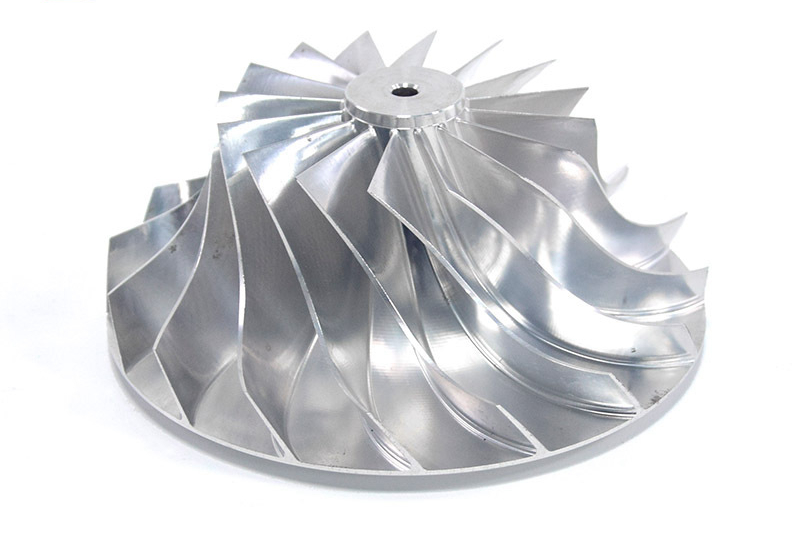
फोर्स्ड इंडक्शन सिस्टम में इनकोनेल घटकों के लिए मुख्य निर्माण चुनौतियाँ
इनकोनेल 718 और इनकोनेल 625 जैसे इनकोनेल मिश्रधातुओं की मशीनिंग महत्वपूर्ण चुनौतियाँ प्रस्तुत करती है:
उच्च शक्ति और कम तापीय चालकता के कारण तेजी से टूल घिसाव और मशीनिंग गर्मी जमा होना।
महत्वपूर्ण सीलिंग और असेंबली इंटरफेस के लिए अति-सटीक आयामी सहनशीलता (±0.005 मिमी) प्राप्त करना।
वायुगतिकीय दक्षता और प्रवाह अनुकूलन के लिए बारीक सतह खत्म (Ra ≤0.8 µm) बनाए रखना।
काटने के दौरान कार्य सख्त होने का प्रबंधन करने के लिए अनुकूलित कटिंग पैरामीटर और टूलपाथ रणनीतियों की आवश्यकता होती है।
इनकोनेल घटकों के लिए सटीक सीएनसी मशीनिंग प्रक्रिया
इनकोनेल फोर्स्ड इंडक्शन भागों के लिए सटीक सीएनसी मशीनिंग प्रक्रिया में शामिल है:
सामग्री मूल्यांकन: इनकोनेल सूक्ष्म संरचना और यांत्रिक गुणों का मूल्यांकन करके इष्टतम मशीनिंग पैरामीटर परिभाषित करना।
टूल चयन: सुपरएलॉय मशीनिंग के लिए विशेष रूप से इंजीनियर कार्बाइड, सिरेमिक, या सीबीएन टूलिंग का अनुप्रयोग।
बहु-अक्ष सीएनसी मशीनिंग: जटिल ज्यामिति प्राप्त करने और पुनः स्थिति त्रुटियों को कम करने के लिए 4-अक्ष या 5-अक्ष एक साथ मशीनिंग।
अनुकूली मशीनिंग रणनीतियाँ: गर्मी का प्रबंधन करने और टूल जीवन को अधिकतम करने के लिए फ़ीड दर, कटिंग गति (20–50 मीटर/मिनट), और कट की गहराई का वास्तविक समय नियंत्रण।
सतह खत्म करने वाले पास: सतह खत्म Ra ≤0.8 µm प्राप्त करने और आयामी अखंडता बनाए रखने के लिए हल्के फिनिशिंग कट।
अंतिम निरीक्षण: आयामी सहनशीलता और सतह खत्म अनुपालन सत्यापित करने के लिए सीएमएम और गैर-संपर्क माप प्रणाली।
इनकोनेल फोर्स्ड इंडक्शन भागों के लिए निर्माण विधियों की तुलना
निर्माण विधि | आयामी सटीकता | सतह खत्म (Ra) | थर्मल थकान प्रतिरोध | सतह अखंडता | लागत दक्षता |
|---|---|---|---|---|---|
सटीक सीएनसी मशीनिंग | ±0.005 मिमी | ≤0.8 µm | श्रेष्ठ | उत्कृष्ट | मध्यम-उच्च |
वायर ईडीएम मशीनिंग | ±0.003 मिमी | ≤0.4 µm | उत्कृष्ट | उत्कृष्ट | उच्च |
पारंपरिक मशीनिंग | ±0.01 मिमी | ≤1.6 µm | अच्छा | अच्छा | मध्यम |
निर्माण विधि चयन रणनीति
इनकोनेल फोर्स्ड इंडक्शन भागों के लिए सही निर्माण दृष्टिकोण का चयन जटिलता, सहनशीलता और अनुप्रयोग पर निर्भर करता है:
सटीक सीएनसी मशीनिंग: अधिकांश उच्च-प्रदर्शन फोर्स्ड इंडक्शन घटकों के लिए पसंदीदा जिन्हें जटिल ज्यामिति, अत्यधिक सटीकता (±0.005 मिमी), और श्रेष्ठ सतह खत्म की आवश्यकता होती है।
वायर ईडीएम मशीनिंग: कसी हुई आंतरिक ज्यामिति के साथ अति-बारीक सहनशीलता अनुप्रयोगों के लिए आदर्श लेकिन आम तौर पर धीमी और अधिक महंगी।
पारंपरिक मशीनिंग: सरल ज्यामिति के लिए उपयुक्त जहाँ लगभग ±0.01 मिमी की सहनशीलता स्वीकार्य है और उत्पादन लागत नियंत्रण प्राथमिकता है।
इनकोनेल मिश्रधातु प्रदर्शन मैट्रिक्स
मिश्रधातु सामग्री | अधिकतम सेवा तापमान (°C) | तन्य शक्ति (MPa) | थर्मल थकान प्रतिरोध | ऑक्सीकरण प्रतिरोध | विशिष्ट अनुप्रयोग |
|---|---|---|---|---|---|
700 | 1375 | उत्कृष्ट | श्रेष्ठ | टर्बोचार्जर शाफ्ट, टरबाइन हाउसिंग | |
815 | 965 | अच्छा | श्रेष्ठ | एग्जॉस्ट मैनिफोल्ड, कंप्रेसर हाउसिंग | |
950 | 1200 | श्रेष्ठ | उत्कृष्ट | उच्च-तापमान टरबाइन व्हील | |
900 | 1150 | उत्कृष्ट | श्रेष्ठ | टरबाइन नोजल, हॉट-सेक्शन घटक |
फोर्स्ड इंडक्शन घटकों के लिए मिश्रधातु चयन रणनीति
उपयुक्त इनकोनेल मिश्रधातु का चयन आवश्यक यांत्रिक और थर्मल प्रदर्शन सुनिश्चित करता है:
इनकोनेल 718: उच्च थकान शक्ति और 700°C तक संचालन की आवश्यकता वाले घूर्णन शाफ्ट और हाउसिंग के लिए सर्वोत्तम विकल्प।
इनकोनेल 625: 815°C तक के तापमान के संपर्क में आने वाले कंप्रेसर और एग्जॉस्ट सिस्टम घटकों के लिए पसंदीदा, जो श्रेष्ठ जंग और ऑक्सीकरण प्रतिरोध प्रदान करता है।
इनकोनेल 713C: उच्च तन्य शक्ति (1200 MPa) और 950°C तक उत्कृष्ट थर्मल थकान प्रतिरोध की मांग वाले टरबाइन व्हील अनुप्रयोगों के लिए आदर्श।
इनकोनेल 939: 900°C पर निरंतर संचालन के तहत क्रीप प्रतिरोध और यांत्रिक शक्ति की आवश्यकता वाले हॉट-सेक्शन घटकों के लिए चुना गया।
मुख्य पोस्ट-प्रोसेसिंग तकनीकें
पोस्ट-प्रोसेसिंग भाग की गुणवत्ता और प्रदर्शन को बढ़ाती है:
सटीक सतह खत्म करना: Ra ≤0.8 µm प्राप्त करने के लिए ग्राइंडिंग और पॉलिशिंग।
हीट ट्रीटमेंट: यांत्रिक गुणों को अधिकतम करने के लिए सॉल्यूशन और एजिंग उपचार।
हॉट आइसोस्टेटिक प्रेसिंग (HIP): आंतरिक सरंध्रता को खत्म करने के लिए सामग्री को सघन करता है।
सुरक्षात्मक कोटिंग्स: अत्यधिक वातावरण सुरक्षा के लिए ऑक्सीकरण- और जंग-प्रतिरोधी कोटिंग्स लगाना।
परीक्षण विधियाँ और गुणवत्ता आश्वासन
सभी इनकोनेल सीएनसी मशीनीकृत भाग कठोर सत्यापन से गुजरते हैं:
कोऑर्डिनेट मेजरिंग मशीन (सीएमएम): ±0.005 मिमी के भीतर आयामी सटीकता निरीक्षण।
एक्स-रे निरीक्षण: गैर-विनाशकारी आंतरिक अखंडता विश्लेषण।
मेटलोग्राफिक माइक्रोस्कोपी: अनाज संरचना मूल्यांकन।
तन्य परीक्षण: यांत्रिक शक्ति सत्यापन।
हमारी पूरी प्रक्रिया AS9100-प्रमाणित एयरोस्पेस गुणवत्ता मानकों का पालन करती है।
केस स्टडी: सीएनसी मशीनीकृत इनकोनेल 718 टर्बोचार्जर शाफ्ट
न्यूवे एयरोटेक ने उच्च-प्रदर्शन रेसिंग अनुप्रयोगों के लिए सटीक इनकोनेल 718 टर्बोचार्जर शाफ्ट निर्मित किए, प्राप्त किया:
संचालन तापमान: 700°C तक निरंतर सेवा
आयामी सटीकता: ±0.005 मिमी लगातार बनाए रखी गई
सतह खत्म: फिनिशिंग पास के बाद Ra ≤0.6 µm
प्रमाणन: AS9100 एयरोस्पेस गुणवत्ता मानकों के साथ पूरी तरह से अनुपालन
अक्सर पूछे जाने वाले प्रश्न
फोर्स्ड इंडक्शन सिस्टम घटकों के लिए इनकोनेल मिश्रधातु आदर्श क्यों हैं?
सीएनसी मशीनीकृत इनकोनेल भागों के साथ कौन सी सटीक सहनशीलता प्राप्त की जा सकती है?
इनकोनेल की मशीनिंग करते समय न्यूवे एयरोटेक टूल घिसाव का प्रबंधन कैसे करता है?
टर्बोचार्जर शाफ्ट और हाउसिंग के लिए कौन से इनकोनेल ग्रेड की सिफारिश की जाती है?
कौन सी गुणवत्ता आश्वासन प्रक्रियाएं इनकोनेल घटक विश्वसनीयता सुनिश्चित करती हैं?
