
कास्टिंग सुपरएलॉय निमोनिक 75 नोजल गाइड वेन्स वैक्यूम इन्वेस्टमेंट कास्टिंग निर्माता
परिचय
निमोनिक 75 एक निकल-क्रोमियम मिश्र धातु है जिसे 950°C तक के सेवा तापमान पर उत्कृष्ट ऑक्सीकरण प्रतिरोध, श्रेष्ठ तापीय स्थिरता और यांत्रिक शक्ति के लिए इंजीनियर किया गया है। ~750 MPa की तन्य शक्ति और उत्कृष्ट क्रीप प्रतिरोध के साथ, यह उच्च तापमान, संक्षारक गैस टरबाइन वातावरण में काम करने वाले नोजल गाइड वेन्स के निर्माण के लिए अत्यधिक उपयुक्त है।
न्यूवे एयरोटेक में, हम सटीक वैक्यूम इन्वेस्टमेंट कास्टिंग का उपयोग करके निमोनिक 75 नोजल गाइड वेन्स के उत्पादन में विशेषज्ञ हैं, जो एयरोस्पेस और औद्योगिक गैस टरबाइन अनुप्रयोगों के लिए महत्वपूर्ण असाधारण आयामी सटीकता, दोष-मुक्त सतहों और इष्टतम धातुकर्मीय अखंडता सुनिश्चित करता है।
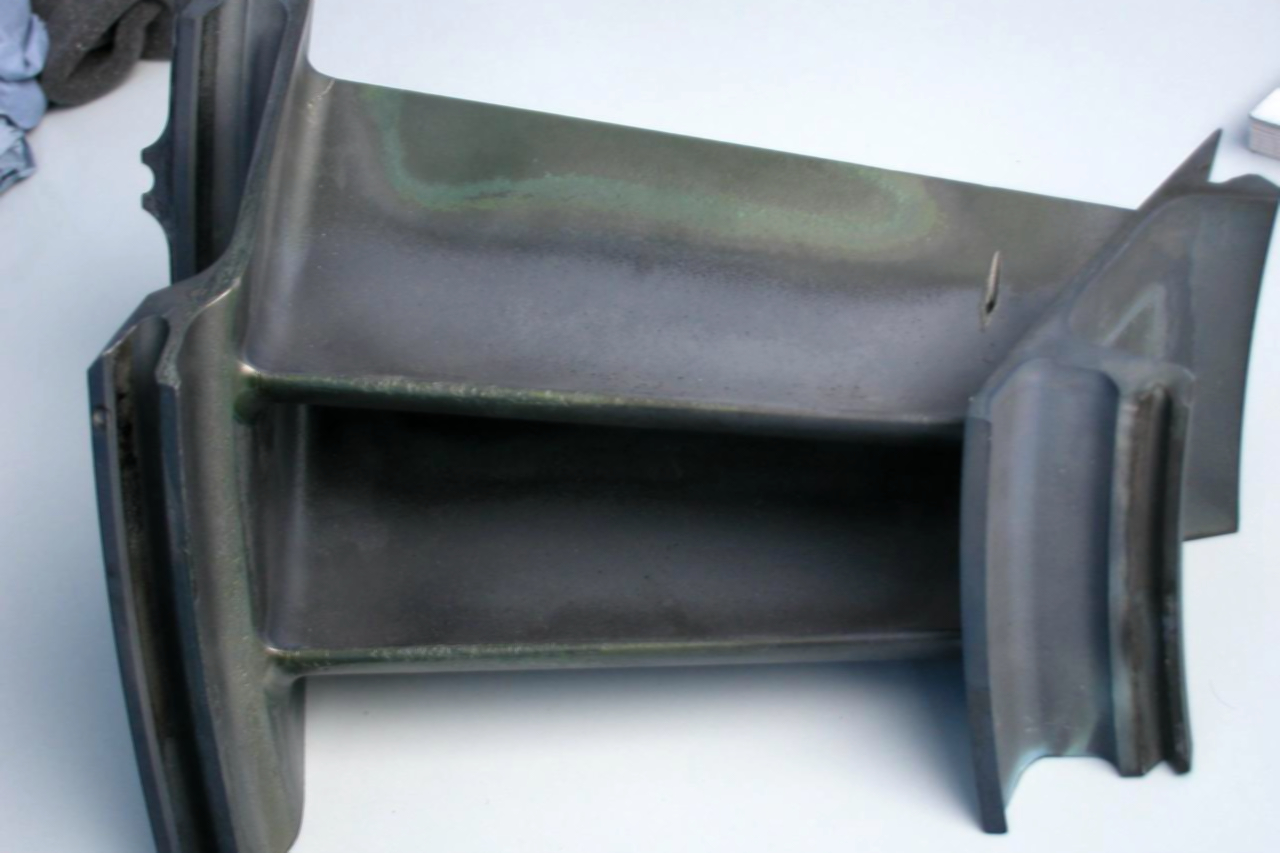
निमोनिक 75 नोजल गाइड वेन्स के लिए प्रमुख निर्माण चुनौतियाँ
सख्त मिश्र धातु संरचना बनाए रखना संक्षारण और ऑक्सीकरण प्रतिरोध के लिए ≥75% निकल और ≥20% क्रोमियम के साथ।
ठोसीकरण दर को नियंत्रित करना (~5–7°C/मिनट) माइक्रोसेग्रीगेशन और अनाज के मोटे होने से रोकने के लिए।
±0.05 मिमी आयामी सटीकता प्राप्त करना कठोर वायुगतिकीय प्रदर्शन आवश्यकताओं को पूरा करने के लिए।
सतह परिष्करण Ra ≤1.6 µm का उत्पादन गैस प्रवाह को अनुकूलित करने और ड्रैग हानियों को कम करने के लिए।
निमोनिक 75 वेन्स के लिए वैक्यूम इन्वेस्टमेंट क�स्टिंग प्रक्रिया
निर्माण प्रक्रिया में शामिल हैं:
मोम पैटर्न निर्माण: सटीक मोल्ड्स का उपयोग करके ±0.1% के भीतर आयामी रूप से सटीक मोम पैटर्न बनाए जाते हैं।
सिरेमिक शेल निर्माण: महीन-अनाज सिरेमिक घोल परतों और जिरकोन-आधारित दुर्दम्य रेत का अनुप्रयोग।
डीवैक्सिंग: ~150°C पर स्टीम ऑटोक्लेविंग मोल्ड शेल अखंडता बनाए रखते हुए मोम को साफ़ तरीके से हटा देती है।
वैक्यूम पिघलना और डालना: निमोनिक 75 मिश्र धातु को वैक्यूम (<10⁻³ Pa) के तहत ~1400°C पर पिघलाकर डाला जाता है ताकि ऑक्सीकरण रोका जा सके।
नियंत्रित ठोसीकरण: एकसमान शीतलन सम-अक्षीय महीन-अनाज सूक्ष्मसंरचना को बढ़ावा देता है, जिससे क्रीप प्रतिरोध में सुधार होता है।
शेल हटाना और अंतिम मशीनिंग: शेल हटा दी जाती है, सतहों को साफ किया जाता है, और महत्वपूर्ण आयामों को ±0.05 मिमी सटीकता के साथ सीएनसी-मशीनीकृत किया जाता है।
नोजल गाइड वेन्स के लिए कास्टिंग विधियों का तुलनात्मक विश्लेषण
प्रक्रिया | सतह परिष्करण गुणवत्ता | आयामी सटीकता | यांत्रिक शक्ति | ऑक्सीकरण प्रतिरोध | लागत स्तर |
|---|---|---|---|---|---|
वैक्यूम इन्वेस्टमेंट कास्टिंग | उत्कृष्ट (Ra ≤1.6 µm) | बहुत उच्च (±0.05 मिमी) | उत्कृष्ट (~750 MPa) | अद्भुत | मध्यम |
सम-अक्षीय क्रिस्टल कास्टिंग | अच्छा (Ra ~3 µm) | उच्च (±0.05 मिमी) | बहुत अच्छा (~730 MPa) | उत्कृष्ट | मध्यम |
सैंड कास्टिंग | मध्यम (Ra ~12 µm) | मध्यम (±0.5 मिमी) | अच्छा (~650 MPa) | मध्यम | कम |
बिलेट से सीएनसी मशीनिंग | उत्कृष्ट (Ra ≤0.8 µm) | बहुत उच्च (±0.01 मिमी) | उत्कृष्ट (~760 MPa) | अच्छा | उच्च |
निमोनिक 75 वेन्स के लिए इष्टतम निर्माण रणनीति
वैक्यूम इन्वेस्टमेंट कास्टिंग: जटिल वायुगतिकीय वेन्स के लिए पसंदीदा जिन्हें श्रेष्ठ सतह गुणवत्ता और धातुकर्मीय स्वच्छता की आवश्यकता होती है।
सम-अक्षीय क्रिस्टल कास्टिंग: गैर-महत्वपूर्ण वेन्स के लिए उपयोग किया जाता है जिन्हें कम लागत पर अच्छी शक्ति की आवश्यकता होती है।
सैंड कास्टिंग: बड़े गैर-सटीक टरबाइन घटकों के लिए उपयुक्त।
सीएनसी मशीनिंग: अति-उच्च आयामी सटीकता प्राप्त करने के लिए द्वितीयक संचालन के लिए आरक्षित।
निमोनिक 75 मिश्र धातु प्रदर्शन अवलोकन
गुण | मान | अनुप्रयोग प्रासंगिकता |
|---|---|---|
तन्य शक्ति | ~750 MPa | 950°C तक भार वहन शक्ति बनाए रखता है |
अधिकतम कार्य तापमान | ~950°C | टरबाइन सेवा में तापीय क्षरण का विरोध करता है |
क्रीप प्रतिरोध | 900°C तक उत्कृष्ट | तनाव के तहत आकार और आयाम बनाए रखता है |
संक्षारण प्रतिरोध | बहुत अच्छा | आक्रामक निकास गैस वातावरण के लिए उपयुक्त |
तापीय विस्तार गुणांक | ~13.3 µm/m·°C | तापीय चक्रण के दौरान आयामी स्थिरता सुनिश्चित करता है |
नोजल गाइड वेन्स के लिए निमोनिक 75 का उपयोग करने के लाभ
उच्च-तापमान शक्ति टरबाइन प्रवेश तापमान पर संरचनात्मक अखंडता बनाए रखती है।
असाधारण ऑक्सीकरण प्रतिरोध गर्म गैस धाराओं में क्षरण को कम करता है।
अच्छा क्रीप प्रदर्शन लंबे समय तक उच्च-भार संचालन के दौरान वेन स्थिरता सुनिश्चित करता है।
उत्कृष्ट रूपण क्षमता और कास्टिंग क्षमता जटिल वायुगतिकीय आकृतियों के उत्पादन की अनुमति देती है।
निमोनिक 75 वेन्स के लिए पोस्ट-प्रोसेसिंग तकनीकें
हॉट आइसोस्टेटिक प्रेसिंग (HIP): संरचना को सघन करता है, ~1160°C और 100 MPa पर आंतरिक सरंध्रता को समाप्त करता है।
थर्मल बैरियर कोटिंग (TBC): सिरेमिक कोटिंग्स (~250 µm) तापीय थकान को कम करती हैं और सतह की रक्षा करती हैं।
सटीक सीएनसी मशीनिंग: वायुगतिकीय सतह अनुकूलन के लिए महत्वपूर्ण ±0.01 मिमी सहनशीलता प्राप्त करता है।
अविनाशी परीक्षण (NDT): सामग्री अखंडता को सत्यापित करता है, दरारों, सरंध्रता या धातुकर्मीय असंगतियों का पता लगाता है।
नोजल गाइड वेन्स के लिए निरीक्षण और गुणवत्ता आश्वासन
कोऑर्डिनेट मेजरिंग मशीन (CMM): ±0.05 मिमी सटीकता के साथ महत्वपूर्ण सतहों को मापता है।
अल्ट्रासोनिक परीक्षण (UT): भागों को नुकसान पहुंचाए बिना आंतरिक रिक्तियों और माइक्रोक्रैक का पता लगाता है।
डाई पेनेट्रेंट परीक्षण (PT): 0.002 मिमी जितनी छोटी सतह दोषों की पहचान करता है।
धातुविज्ञानी विश्लेषण: एयरोस्पेस मानकों के अनुसार अनाज संरचना और समरूपता अनुपालन की पुष्टि करता है।
उद्योग अनुप्रयोग और केस स्टडी
न्यूवे एयरोटेक द्वारा निर्मित निमोनिक 75 नोजल गाइड वेन्स का व्यापक रूप से एयरोस्पेस टरबाइन, औद्योगिक गैस टरबाइन और बिजली उत्पादन सुविधाओं में उपयोग किया जाता है। एक प्रमुख एयरोस्पेस इंजन कार्यक्रम में, हमारे वैक्यूम इन्वेस्टमेंट कास्ट निमोनिक 75 वेन्स ने पारंपरिक मिश्र धातुओं की तुलना में निरंतर 920°C एक्सपोजर पर 30% लंबा परिचालन जीवन प्रदर्शित किया, जिससे टरबाइन रखरखाव लागत कम हुई और समग्र इंजन दक्षता में सुधार हुआ।
अक्सर पूछे जाने वाले प्रश्न
न्यूवे एयरोटेक निमोनिक 75 नोजल गाइड वेन्स के लिए कौन सी आयामी सटीकता प्राप्त कर सकता है?
निमोनिक 75 वेन्स के निर्माण के लिए वैक्यूम इन्वेस्टमेंट कास्टिंग को क्यों पसंद किया जाता है?
उच्च-तापमान टरबाइन स्थितियों के तहत निमोनिक 75 अन्य निमोनिक मिश्र धातुओं की तुलना में कैसा प्रदर्शन करता है?
कौन से उद्योग आमतौर पर निमोनिक 75 नोजल गाइड वेन्स का उपयोग करते हैं?
न्यूवे एयरोटेक निमोनिक 75 कास्टिंग्स की धातुकर्मीय गुणवत्ता कैसे सुनिश्चित करता है?
