
मिश्र धातु घटकों को क्लैडिंग के लिए उच्च-शक्ति 8KW लेजर
घटक निर्माण और मरम्मत की मांगपूर्ण दुनिया में, अधिक कुशल, सटीक और मजबूत सतह इंजीनियरिंग समाधानों की खोज अथक है। क्लैडिंग के लिए उच्च-शक्ति 8KW लेजर का आगमन एक महत्वपूर्ण छलांग का प्रतिनिधित्व करता है, जो पारंपरिक विधियों की सीमाओं से परे जाता है। यह उन्नत तकनीक अभूतपूर्व गति, गुणवत्ता और नियंत्रण के साथ उच्च-प्रदर्शन मिश्र धातु कोटिंग्स के अनुप्रयोग को सक्षम बनाती है, जो एयरोस्पेस और बिजली उत्पादन जैसे उद्योगों में महत्वपूर्ण भागों की बहाली और उन्नति में क्रांति ला रही है। न्यूवे में, इस अत्याधुनिक क्षमता को एकीकृत करने से हमें श्रेष्ठ क्लैडिंग समाधान प्रदान करने की अनुमति मिलती है जो घटक के जीवन को बढ़ाते हैं और चरम स्थितियों में प्रदर्शन को बढ़ाते हैं।
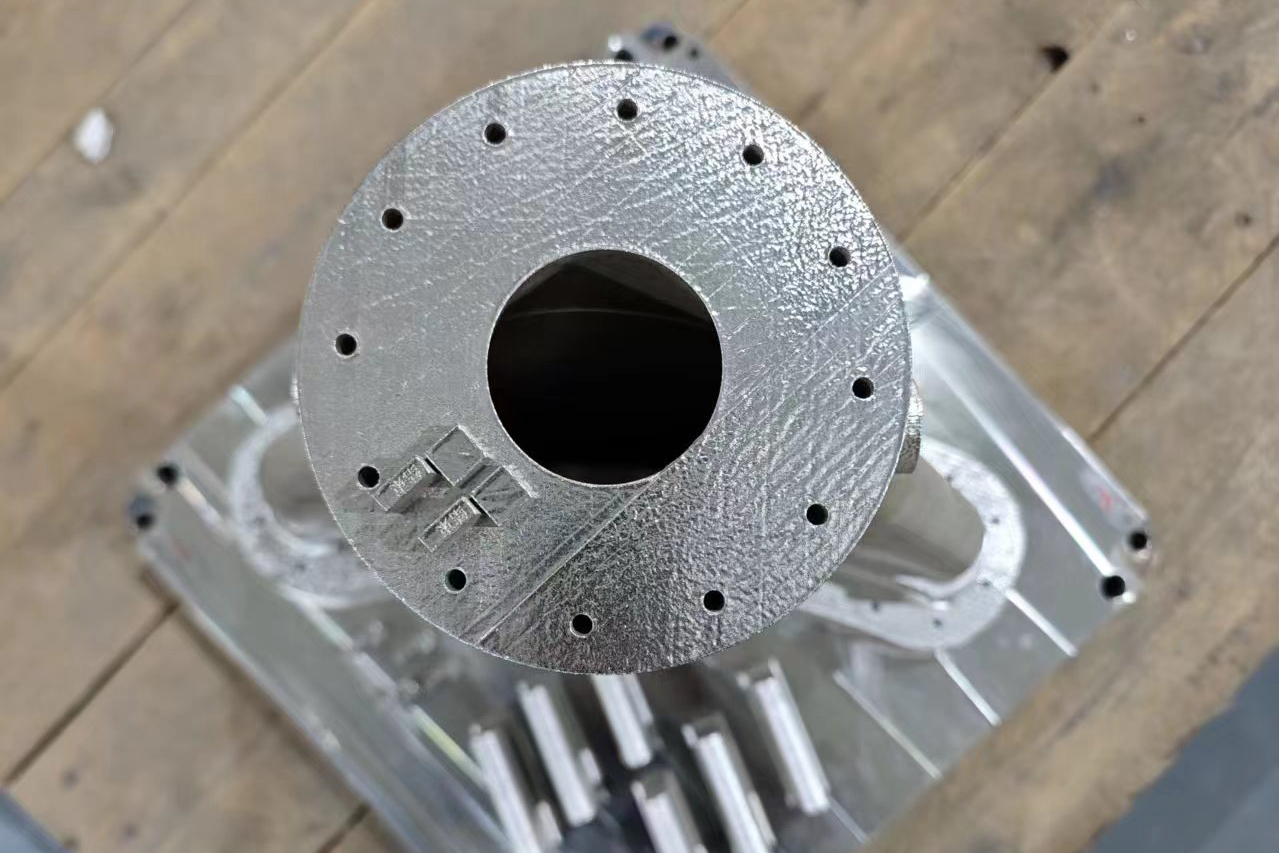
लेजर क्लैडिंग क्या है और शक्ति क्यों मायने रखती है?
लेजर क्लैडिंग, जिसे लेजर मटेरियल डिपॉजिशन (एलएमडी) के रूप में भी जाना जाता है, एक योजक प्रक्रिया है जहां एक उच्च-शक्ति लेजर बीम का उपयोग धातु पाउडर या तार की एक धारा को पिघलाने के लिए किया जाता है क्योंकि इसे एक सब्सट्रेट पर जमा किया जाता है। परिणाम एक सघन, धातुकर्मीय रूप से बंधित कोटिंग होती है जो आधार सामग्री की रक्षा या उन्नति करती है। जबकि कम-शक्ति लेजर (1-4KW) बारीक विशेषताओं और पतली कोटिंग्स के लिए प्रभावी होते हैं, 8KW प्रणाली में छलांग नई संभावनाओं को खोलती है। उच्च शक्ति घनत्व निम्नलिखित की अनुमति देता है:
उच्च जमाव दर: प्रति घंटे काफी अधिक सामग्री जमा की जा सकती है, जिसके परिणामस्वरूप बड़े घटकों के प्रसंस्करण समय में नाटकीय कमी आती है।
गहरा डाइल्यूशन नियंत्रण: उच��च शक्ति के बावजूद, सटीक पैरामीटर नियंत्रण सब्सट्रेट में न्यूनतम डाइल्यूशन के साथ भराव सामग्री के इष्टतम पिघलने को सुनिश्चित करता है, जिससे कोटिंग के डिज़ाइन किए गए गुणों को संरक्षित रखा जाता है।
दुर्दम्य सामग्री को क्लैड करने की क्षमता: तीव्र गर्मी उच्च तापमान मिश्र धातुओं की एक विस्तृत श्रृंखला के प्रभावी प्रसंस्करण को सक्षम बनाती है जो कम-शक्ति प्रणालियों के लिए चुनौतीपूर्ण हैं।
पारंपरिक विधियों पर 8KW लेजर क्लैडिंग के प्रमुख लाभ
प्लाज्मा ट्रांसफर आर्क (पीटीए) वेल्डिंग या थर्मल स्प्रेइंग जैसी प्रक्रियाओं से उच्च-शक्ति लेजर क्लैडिंग में संक्रमण परिवर्तनकारी लाभ प्रदान करता है:
न्यूनतम हीट-अफेक्टेड ज़ोन (एचएजेड): केंद्रित लेजर ऊर्जा घटक में कुल कम गर्मी इनपुट करती है, जिससे थर्मल विरूपण कम होता है और आधार सामग्री की अखंडता बनी रहती है, जो सटीक फोर्ज्ड या कास्ट सब्सट्रेट्स के लिए महत्वपूर्ण है।
श्रेष्ठ धातुकर्मीय बंधन: यह प्रक्रिया न्यूनतम सरंध्रता और दरार के साथ एक फ्यूजन बंधन बनाती है, जिसके परिणामस्वरूप एक कोटिंग होती है जो तनाव के तहत छिलने या परतों में अलग होने की संभावना बहुत कम होती है।
बढ़ी हुई कोटिंग गुणवत्ता और प्रदर्शन: आर्क-आधारित प्रक्रियाओं की तुलना में बारीक, तेजी से जमी हुई सूक्ष्म संरचना के परिणामस्वरूप कठोरता, घर्षण प्रतिरोध और जंग प्रतिरोध में सुधार होता है।
प्रक्रिया स्वचालन और पुनरावृत्ति: 8KW लेजर क्लैडिंग रोबोटिक एकीकरण के लिए आदर्श रूप से अनुकूल है, जो जटिल ज्यामिति और उत्पादन रन में सुसंगत, उच्च-गुणवत्ता वाले परिणाम सुनिश्चित करता है।
8KW ले�र क्लैडिंग प्रक्रिया: एक चरण-दर-चरण अवलोकन
8KW लेजर के साथ एक सफल क्लैडिंग ऑपरेशन को निष्पादित करने में एक सावधानीपूर्वक नियंत्रित अनुक्रम शामिल होता है:
1. सब्सट्रेट तैयारी: घटक की सतह को सावधानीपूर्वक साफ किया जाता है और अक्सर क्लैडिंग के लिए एक साफ, समान आधार सुनिश्चित करने के लिए मशीनीकृत किया जाता है।
2. पैरामीटर अनुकूलन: लेजर शक्ति, यात्रा गति, पाउडर फीड दर और स्पॉट आकार को विशिष्ट सब्सट्रेट और क्लैड सामग्री संयोजन के आधार पर कैलिब्रेट किया जाता है।
3. क्लैडिंग ऑपरेशन: रोबोटिक आर्म लक्ष्य क्षेत्र में लेजर हेड और पाउडर नोजल को निर्देशित करता है, ऑक्सीकरण को रोकने के लिए नियंत्रित वातावरण में कोटिंग को परत दर परत बनाता है।
4. पोस्ट-प्रोसेस हीट ट्रीटमेंट: अवशिष्ट तनावों को दूर करने और कोटिंग सूक्ष्म संरचना को अनुकूलित करने के लिए, घटक अक्सर सटीक हीट ट्रीटमेंट से गुजरते हैं।
5. अंतिम मशीनिंग: क्लैड घटक को आवश्यकतानुसार सीएनसी मशीनिंग या डीप होल ड्रिलिंग का उपयोग करके कड़े सहनशीलता तक समाप्त किया जाता है।
उच्च-शक्ति लेजर क्लैडिंग के लिए आदर्श सामग्री
8KW लेजर की बहुमुखी प्रतिभा हमें विभिन्न सब्सट्रेट्स पर उन्नत सामग्रियों की एक विस्तृत श्रृंखला को क्लैड करने की अनुमति देती है, जिनमें शामिल हैं:
कोबाल्ट-आधारित मिश्र धातुएं: स्टेलाइट 6 जैसी सामग्री लेजर क्लैडिंग के लिए असाधारण रूप से उपयुक्त हैं, जो वाल्व सीट और हार्ड-फेसिंग अनुप्रयोगों के लिए उत्कृष्ट घर्षण और गैलिंग प्रतिरोध प्रदान करती हैं।
निकल-आधारित सुपरएलॉय: इनकोनेल 625 और इनकोनेल 718 के पाउडर को उच्च-तापमान जंग और ऑक्सीकरण प्रतिरोध प्रदान करने के लिए क्लैड किया जा सकता है, जो टरबाइन ब्लेड और हाउसिंग की मरम्मत के लिए आदर्श है।
स्टेनलेस स्टील्स: 316L या 17-4PH जैसे ग्रेड आमतौर पर शाफ्ट और इम्पेलर के आयामों को बहाल करने और जंग प्रतिरोध जोड़ने के लिए उपयोग किए जाते हैं।
कस्टम पाउडर ब्लेंड: हम विशिष्ट अनुप्रयोग चुनौतियों को पूरा करने के लिए अनुकूलित सामग्री संरचना विकसित कर सकते हैं, पाउडर धातुकर्म में हमारी विशेषज्ञता का लाभ उठाते हुए।
उद्योगों में महत्वपूर्ण अनुप्रयोग
उच्च शक्ति और सटीकता का संयोजन 8KW लेजर क्लैडिंग को निम्नलिखित के लिए अपरिहार्य बनाता है:
तेल और गैस: कठोर तेल और गैस वातावरण में विस्तारित सेवा जीवन के लिए जंग-प्रतिरोधी मिश्र धातुओं के साथ ड्रिल स्ट्रिंग टूल्स, वेलहेड घटकों और वाल्व ट्रिम्स की क्लैडिंग।
बिजली उत्पादन: पारंपरिक और परमाणु (परमाणु) दोनों पावर प्लांटों में टरबाइन ब्लेड, बॉयलर घटकों और महत्वपूर्ण पंप भागों की मरम्मत और सुरक्षा।
एयरोस्पेस: घिसे हुए दिशात्मक रूप से जमे हुए टरबाइन ब्लेड की बहाली और लैंडिंग गियर घटकों पर घर्षण-प्रतिरोधी कोटिंग्स लगाना।
ऑटोमोटिव और भारी मशीनरी: इंजन वाल्व, क्रैंकशाफ्ट और हाइड्रोलिक पिस्टन रॉड पर उच्च-घिसाव वाले क्षेत्रों का पुनर्निर्माण।
उन्नत क्लैडिंग समाधानों के लिए न्यूवे का एकीकृत दृष्टिकोण
न्यूवे में, हमारी नई 8KW लेजर क्लैडिंग प्रणाली एक स्टैंडअलोन सेवा नहीं है; यह हमारे एकीकृत निर्माण और मरम्मत पारिस्थितिकी तंत्र का एक मूलभूत हिस्सा है। हम एक व्यापक समाधान प्रदान करते हैं:
विशेषज्ञ प्रक्रिया विकास: हमारे इंजीनियर आपकी विशिष्ट सामग्री जोड़ी और अनुप्रयोग आवश्यकताओं के लिए क्लैडिंग पैरामीटर को अनुकूलित करते हैं।
प्री- और पोस्ट-प्रोसेसिंग एकीकरण: हम पूर्ण पोस्ट-प्रोसेसिंग क्षमताएं प्रदान करते हैं, जिसमें माइक्रो-सरंध्रता को खत्म करने और अंतिम आयाम प्राप्त करने के लिए सटीक मशीनिंग सहित हॉट आइसोस्टेटिक प्रेसिंग (एचआईपी) शामिल है।
गुणवत्ता आश्वासन: प्रत्येक क्लैड घटक बंधन अखंडता, कठोरता और आयामी सटीकता के उच्चतम मानकों के अनुपालन को सुनिश्चित करने के लिए कठोर सामग्री परीक्षण और विश्लेषण से गुजरता है।
निष्कर्ष: उच्च-शक्ति लेजर क्लैडिंग के साथ एक नया मानक स्थापित करना
क्लैडिंग प्रक्रियाओं में 8KW लेजर तकनीक का एकीकरण सतह इंजीनियरिंग में एक महत्वपूर्ण प्रगति का प्रतीक है। यह गति, गुणवत्ता और बहुमुखी प्रतिभा का एक शक्तिशाली संयोजन प्रदान करता है जो पारंपरिक विधियों द्वारा अतुलनीय है। उन उद्योगों के लिए जहां घटक प्रदर्शन, दीर्घायु और विश्वसनीयता गैर-परक्राम्य हैं, यह तकनीक एक निश्चित प्रतिस्पर्धात्मक बढ़त प्रदान करती है। उन्नत सामग्रियों और अत्याधुनिक वेल्डिंग और क्लैडिंग तकनीकों दोनों में न्यूवे की विशेषज्ञता का लाभ उठाकर, आप यह सुनिश्चित कर सकते हैं कि आपके सबसे महत्वपूर्ण घटक आधुनिक इंजीनियरिंग की चरम सीमाओं का सामना करने के लि� संरक्षित और उन्नत हैं।
अक्सर पूछे जाने वाले प्रश्न
8KW लेजर क्लैडिंग सिस्टम के साथ प्राप्त करने योग्य अधिकतम कोटिंग मोटाई
बड़ी मरम्मतों के लिए 8KW लेजर क्लैडिंग बनाम पारंपरिक पीटीए वेल्डिंग की लागत तुलना
8KW लेजर का उपयोग करके निकल सुपरएलॉय पर कोबाल्ट मिश्र धातु जैसी असमान धातुओं को क्लैड करना
8KW लेजर क्लैडिंग तकनीक के साथ प्रभावी प्रसंस्करण के लिए घटक आकार सीमाएं
8KW लेजर बनाम अन्य विधियों से क्लैड किए गए घटकों की सतह परिष्करण गुणवत्ता
