Surface finish quality of as-clad components from an 8KW laser vs other methods
Surface Roughness Comparison
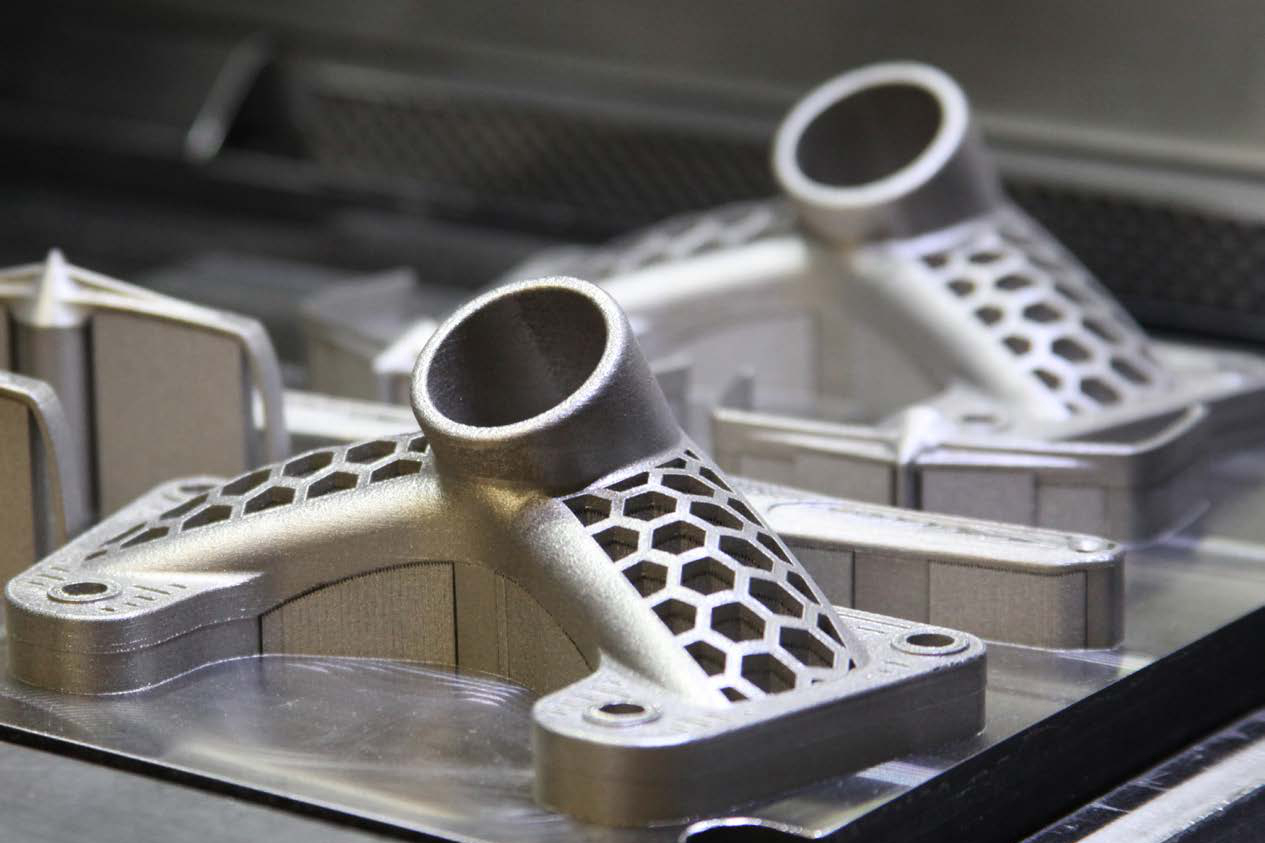
As-cladded surfaces produced by an 8 kW laser system typically achieve surface roughness values around Ra 6–12 μm, which is significantly smoother than conventional PTA welding or MIG/TIG overlays. The laser’s narrow melt pool and controlled energy input minimize spatter and excess buildup, resulting in a more uniform surface before any subsequent finishing by superalloy CNC machining.
Dilution and Precision Benefits
Unlike traditional welding methods, laser cladding provides lower dilution between the base metal and overlay material. This results in improved metallurgical bonding and reduced distortion, maintaining surface integrity and enabling tighter dimensional control—beneficial for superalloys such as Inconel 718 and Stellite 6 that require precise tolerances.
Need for Post-Processing
While as-clad surfaces from an 8 kW laser are smoother than most arc-based methods, they still typically require final finishing. Precision machining or grinding is used to reach application-specific tolerances. When needed, follow-up treatments such as heat treatment or hot isostatic pressing (HIP) may be applied to reduce residual stress and stabilize the microstructure before finishing steps.
Comparison with Traditional Overlay Processes
PTA welding, TIG, and MIG typically produce rougher initial surfaces, often exceeding Ra 15–25 μm. These processes generate wider bead widths, greater spatter, and larger heat-affected zones, resulting in more extensive post-processing. In contrast, laser-cladded components often require less material removal and fewer machining passes—saving both time and cost in aerospace and oil and gas maintenance workflows.
Industrial Advantage
The as-clad surface quality from 8 kW laser cladding provides a strategic advantage in sectors such as military and defense and marine, where reduced post-processing time and better coating uniformity directly translate to faster turnaround and improved reliability.