
Componentes de Turbina de Gas de Sección Caliente Fundidos Direccionalmente en Superaleación Hastell...
Introducción
Los componentes de la sección caliente de las turbinas de gas—incluyendo revestimientos de combustor, conductos de transición, álabes guía de toberas y estabilizadores de llama—están expuestos a gases de combustión a alta temperatura, estrés térmico cíclico y oxidación agresiva. Estos componentes exigen una resistencia superior a la fatiga térmica, resistencia a la oxidación y estabilidad dimensional a largo plazo. Hastelloy X, una superaleación de níquel-hierro-cromo-molibdeno, está diseñada para un rendimiento excepcional a alta temperatura, soldabilidad y resistencia a la oxidación en atmósferas oxidantes y reductoras.
Neway AeroTech ofrece fundición direccional de Hastelloy X para componentes complejos de turbina de sección caliente utilizando avanzada fundición a la cera perdida al vacío. Con una orientación de grano controlada, mejoramos la resistencia a la fluencia, la durabilidad a la fatiga térmica y la longevidad de los componentes en sistemas de turbinas para aeroespacial, generación de energía y energía.
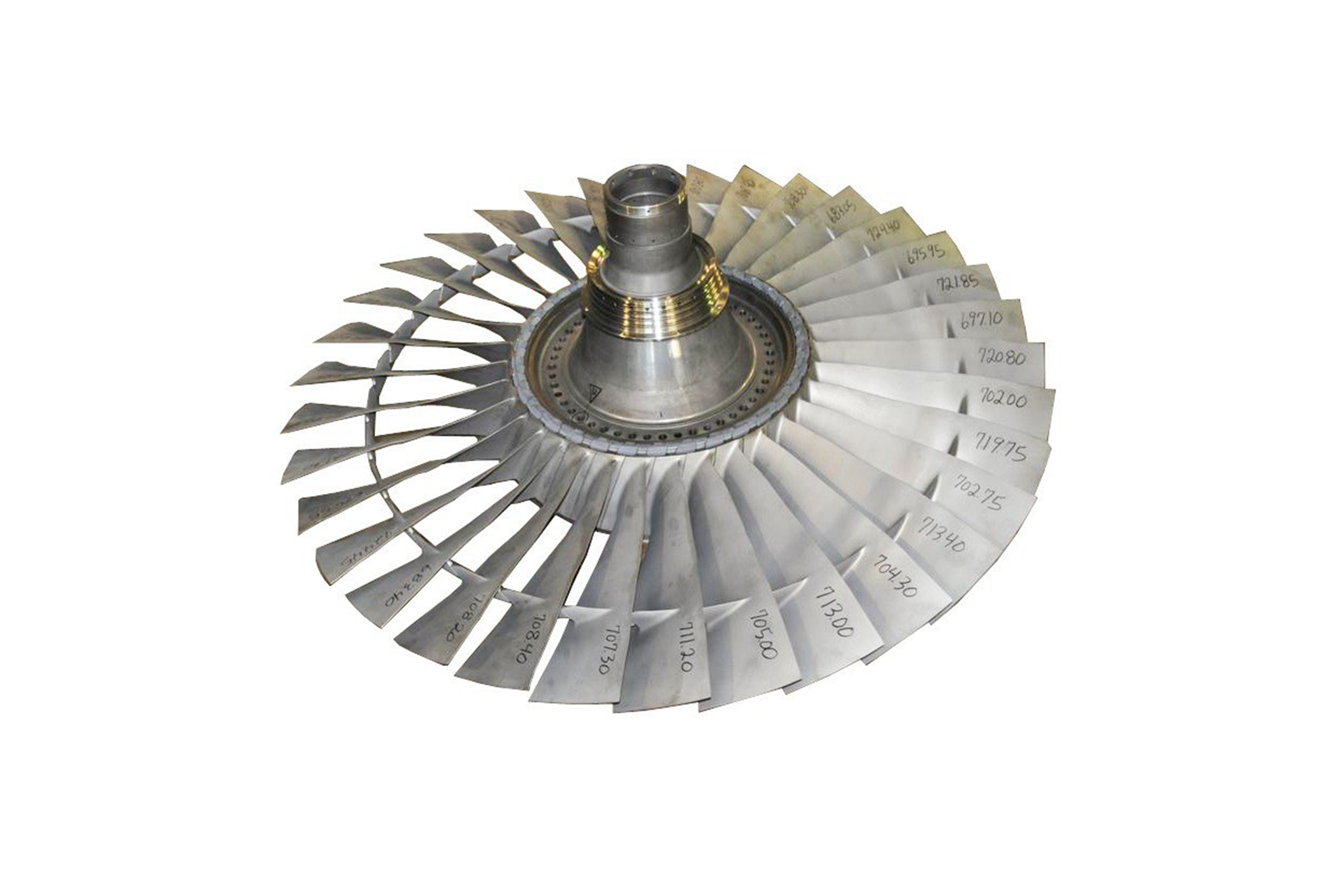
Tecnología Central de la Fundición Direccional para Componentes de Turbina Hastelloy X
Diseño del Modelo de Cera Los modelos de cera se moldean para replicar geometrías de sección caliente como álabes de tobera y revestimientos de combustor con una tolerancia de ±0.05 mm.
Construcción del Molde Cerámico Se construyen moldes cerámicos refractarios (de 6–8 mm de espesor) para soportar choques térmicos y permitir una solidificación controlada durante la extracción.
Integración del Selector de Grano Se incorporan selectores helicoidales o de arranque para guiar el crecimiento de granos columnares en la dirección [001] para resistencia a la fluencia.
Fusión por Inducción al Vacío Hastelloy X se funde al vacío (≤10⁻³ Pa) a ~1400°C, minimizando la oxidación y asegurando una composición homogénea.
Solidificación Direccional El molde se extrae a 2–4 mm/min a través de un gradiente térmico controlado, formando granos columnares alineados en [001] desde la base hasta la punta.
Remoción y Limpieza del Molde Después del enfriamiento, los moldes se eliminan mediante chorro de alta presión y lixiviación química para preservar la geometría y el espesor de pared.
Tratamiento Térmico Posterior a la Fundición El recocido de solución refina los límites de grano y estabiliza la microestructura.
Mecanizado Final e Inspección Características como agujeros para pernos, caras de sellado y agujeros de enfriamiento se terminan mediante mecanizado CNC y EDM, seguido de inspección por rayos X y CMM.
Propiedades del Material Hastelloy X en Forma Fundida Direccionalmente
Temperatura Máxima de Operación: ~1175°C
Resistencia a la Tracción: ≥750 MPa a 20°C
Resistencia a la Fluencia: >150 MPa a 870°C durante 1000 hrs
Resistencia a la Oxidación: Excelente en ambientes de combustión
Resistencia a la Fatiga Térmica: Superior bajo calentamiento/enfriamiento cíclico
Estructura del Grano: Columnares [001], solidificados direccionalmente (desviación <2°)
Estudio de Caso: Estabilizadores de Llama y Anillos de Tobera Fundidos Direccionalmente en Hastelloy X
Antecedentes del Proyecto
Neway AeroTech fabricó estabilizadores de llama, anillos de tobera y conductos de transición a partir de Hastelloy X para una turbina de gas industrial derivada de aeronáutica de 40 MW que opera a >1100°C. El cliente requería una excelente resistencia a la fatiga térmica, protección contra la oxidación y una estructura de grano alineada direccionalmente para mejorar la vida útil del componente y reducir los intervalos de mantenimiento.
Aplicaciones Comunes
Revestimientos y Cúpulas de Combustor Requieren estabilidad dimensional bajo calentamiento cíclico por combustión y alto flujo térmico.
Álabes Guía de Toberas Operan en el camino de gas caliente bajo altas cargas aerodinámicas; exigen baja deformación por fluencia y resistencia a la oxidación.
Conductos de Transición Expuestos a oscilaciones de presión y ciclado térmico; requieren resistencia a la fatiga y a la distorsión.
Estabilizadores de Llama y Anillos de Sellado Funcionan en zonas de combustión turbulentas y de alta temperatura con vibración y desgaste cíclico.
Flujo de Trabajo de Fabricación en Neway AeroTech
Simulación de Fundición y Diseño del Selector El modelado CFD y térmico asegura un flujo de metal suave y una solidificación para prevenir porosidad y granos desviados.
Ejecución de la Fundición Direccional al Vacío La extracción direccional al vacío produce granos orientados en [001] alineados con la dirección del estrés operativo.
Tratamiento Térmico Posterior a la Fundición El recocido y envejecimiento refina la estructura del grano y alivia el estrés sin degradar la resistencia a la oxidación.
Mecanizado de Precisión Se utilizan mecanizado CNC y EDM para finalizar interfaces de tolerancia estrecha, bridas y canales de flujo.
Inspección y Verificación La inspección por EBSD, rayos X, CMM y ultrasonido valida la orientación del grano, la eliminación de porosidad y la precisión geométrica.
Desafíos Clave de Fabricación
Prevenir granos desviados en álabes y conductos de pared delgada
Mantener la precisión dimensional durante el tratamiento térmico
Gestionar los esfuerzos térmicos durante la extracción direccional
Asegurar la soldabilidad para reparaciones en campo e integración de ensamblaje
Resultados y Verificación
Orientación de grano [001] confirmada con desviación <2° mediante EBSD
Cero porosidad post-HIP verificado por pruebas de ultrasonido y rayos X
Tolerancias dimensionales dentro de ±0.03 mm en caras de acoplamiento
El rendimiento del material superó los 150 MPa de resistencia a la fluencia a 870°C
100% de cumplimiento en inspección con estándares de calidad grado aeroespacial
Preguntas Frecuentes
¿Por qué usar fundición direccional para componentes de sección caliente de Hastelloy X?
¿Cuáles son los beneficios de la alineación de grano [001] en piezas de turbina?
¿Cómo se mantiene la precisión dimensional durante la fundición y el acabado?
¿Se pueden soldar o reparar las fundiciones de Hastelloy X en servicio?
¿Qué estándares de calidad sigue Neway para fundiciones grado turbina?
