Welche Vorteile bietet CNC für komplexe Superlegierungsgeometrien?
Unübertroffene geometrische Freiheit und Präzision
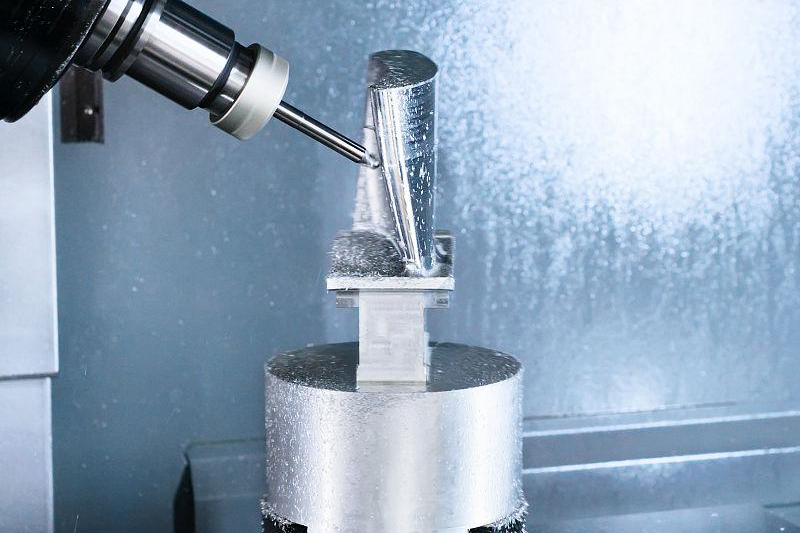
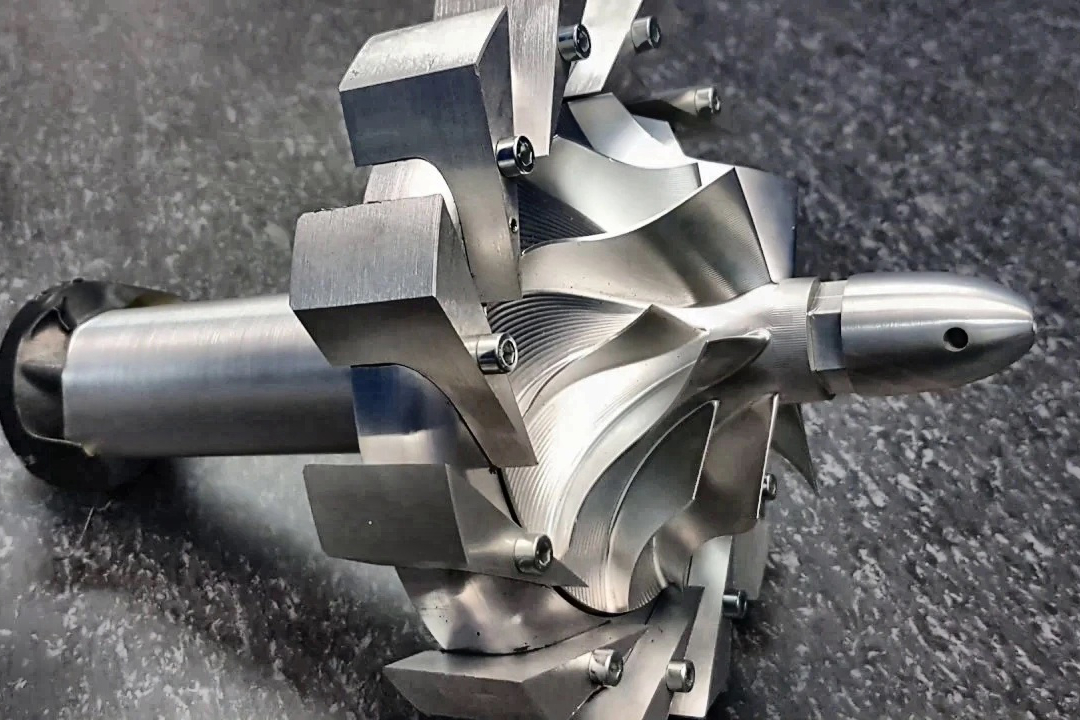
Die CNC-Bearbeitung bietet unvergleichliche Vorteile bei der Herstellung komplexer Superlegierungsgeometrien, die mit konventioneller Fertigung nicht erreichbar sind. Mehrachsige CNC-Systeme (5-Achsen und mehr) können das Schneidwerkzeug in einem einzigen Aufbau aus praktisch jeder Richtung kontinuierlich an das Werkstück heranführen. Diese Fähigkeit ist entscheidend für die Herstellung komplexer Merkmale, die in Luft- und Raumfahrtkomponenten üblich sind, wie zum Beispiel:
Verdrehte Turbinenschaufeln mit variierenden Profilen
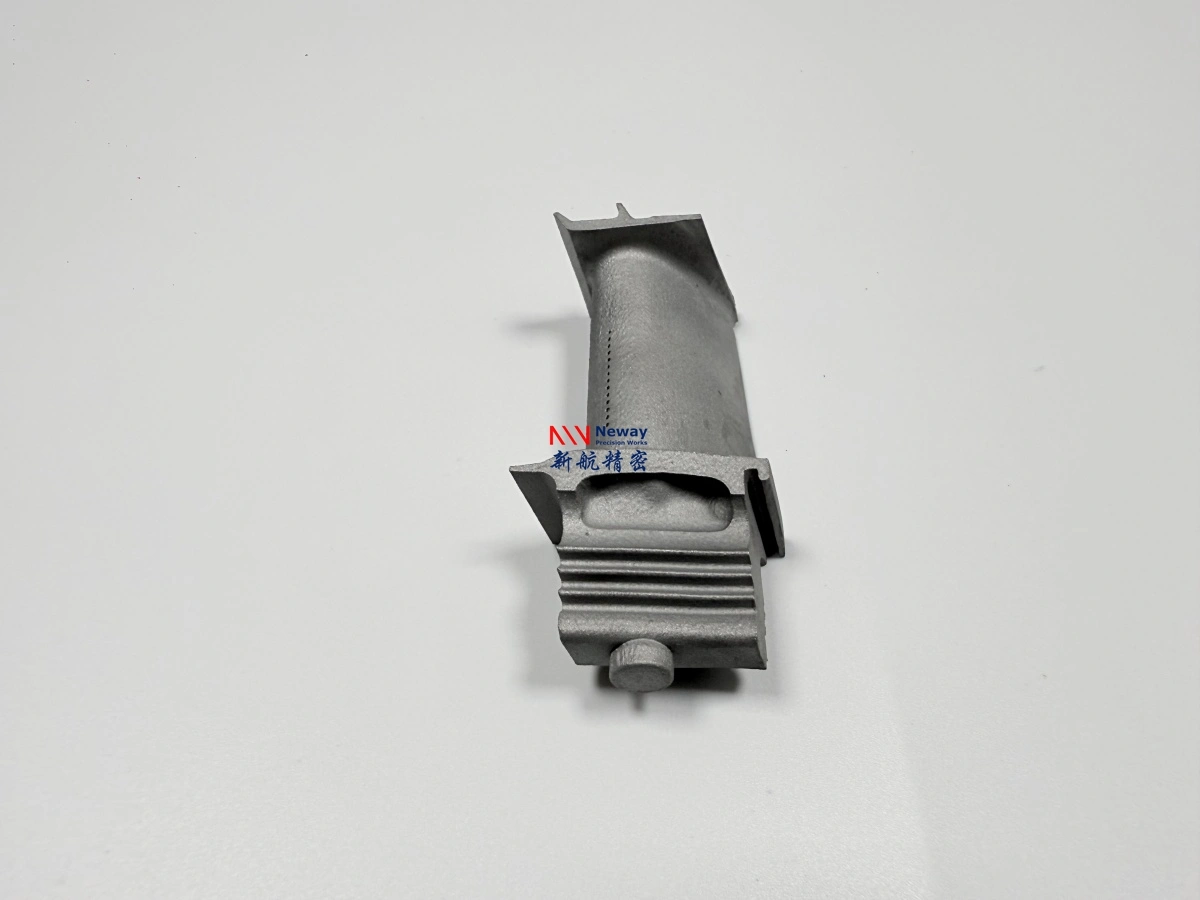
Komplexe interne Kühlkanäle in Einkristallgussstücken
Dünnwandige Strukturen mit Doppelkrümmungen
Präzise Spiralgehäuse und Diffusoren für Kompressoren
Diese geometrische Freiheit ermöglicht es Ingenieuren, optimierte Komponenten für maximale Effizienz in Luft- und Raumfahrtanwendungen zu entwerfen, ohne durch Fertigungsbeschränkungen eingeschränkt zu sein.
Wahrung der Integrität in schwer zugänglichen Bereichen
Bei komplexen Superlegierungskomponenten bewahrt die CNC-Bearbeitung die Materialintegrität in geometrisch anspruchsvollen Bereichen, in denen andere Verfahren versagen. Die programmierten Werkzeugwege gewährleisten konsistente Schnittkräfte und Wärmemanagement über die gesamte Geometrie hinweg und verhindern so lokale Kaltverfestigung oder thermische Schäden. Spezialisierte Techniken wie Superlegierungs-Tiefbohren können Kühlkanäle mit hohem Schlankheitsgrad und außergewöhnlicher Geradheit und Oberflächengüte in Materialien wie Inconel 718 erzeugen, während die 5-Achsen-Simultanbearbeitung gesamte Schaufeloberflächen ohne Umpositionierung profilieren kann und so eine perfekte Kontinuität der aerodynamischen Oberflächen sicherstellt.
Nahtlose Integration in fortschrittliche Fertigungsabläufe
Die CNC-Bearbeitung ergänzt andere fortschrittliche Fertigungsverfahren für komplexe Geometrien perfekt. Sie dient als kritischer Endbearbeitungsschritt für nahezu endkonturnahe Bauteile, die durch Vakuum-Fein- oder Präzisionsguss oder Superlegierungs-3D-Druck hergestellt wurden, und fügt präzise Bezugsmerkmale, hochtolerante Passflächen und feine Details hinzu, die im Primärprozess nicht erreicht werden können. Nach kritischen Nachbearbeitungsprozessen wie HIP und Wärmebehandlung stellt die CNC-Bearbeitung die Maßgenauigkeit dieser nun stabilisierten komplexen Geometrien wieder her und stellt sicher, dass sie den endgültigen Spezifikationen entsprechen.
Ermöglicht Designiterationen und schnellen Prototypenbau
Für die Entwicklung komplexer Superlegierungskomponenten bietet die CNC-Bearbeitung die Flexibilität, Designs schnell zu iterieren, ohne die Vorlaufzeit und Kosten für die Erstellung neuer Formen oder Modelle. Dies ist besonders wertvoll bei der Optimierung von Kühlkanallayouts, der Optimierung von Strukturelementen oder der Validierung neuer aerodynamischer Profile. Die digitale Natur der CNC-Programmierung ermöglicht es Ingenieuren, Designänderungen vorzunehmen, die sich sofort im gefertigten Teil widerspiegeln, was den Entwicklungszyklus für kritische Komponenten in der Energieerzeugung und anderen Hightech-Industrien erheblich beschleunigt.