Wie schützt die CNC-Bearbeitung die Materialintegrität in der Superlegierungsproduktion?
Minimierte thermische und mechanische Belastung
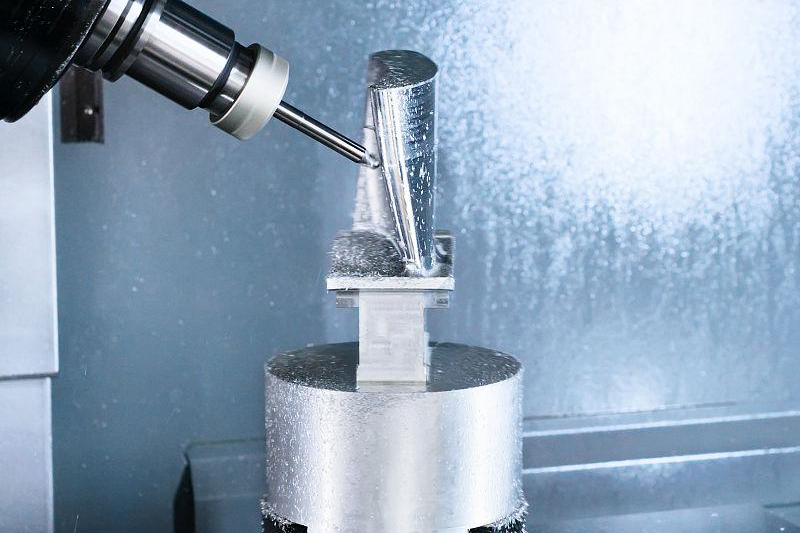
Die CNC-Bearbeitung schützt die Materialintegrität von Superlegierungen durch die Kontrolle von Schnittkräften, Temperatur und Vibration während der Bearbeitung. Fortgeschrittene Werkzeugbahnstrategien und adaptive Vorschubregelung helfen, übermäßige Wärmeentwicklung zu vermeiden und verhindern so Phasenumwandlungen oder γ′-Vergröberung in Legierungen wie Inconel 939. Diese kontrollierte Verarbeitung stellt sicher, dass kritische mechanische Eigenschaften – wie Kriechbeständigkeit und Ermüdungsfestigkeit – bei der Endbearbeitung nicht beeinträchtigt werden. Mehrachsige Operationen an Superlegierungs-CNC-Bearbeitungsanlagen reduzieren auch die Anzahl der Aufspannungen, erhalten die Maßgenauigkeit und verringern das Risiko von Spannungskonzentration.
Erhaltung der Mikrostruktur
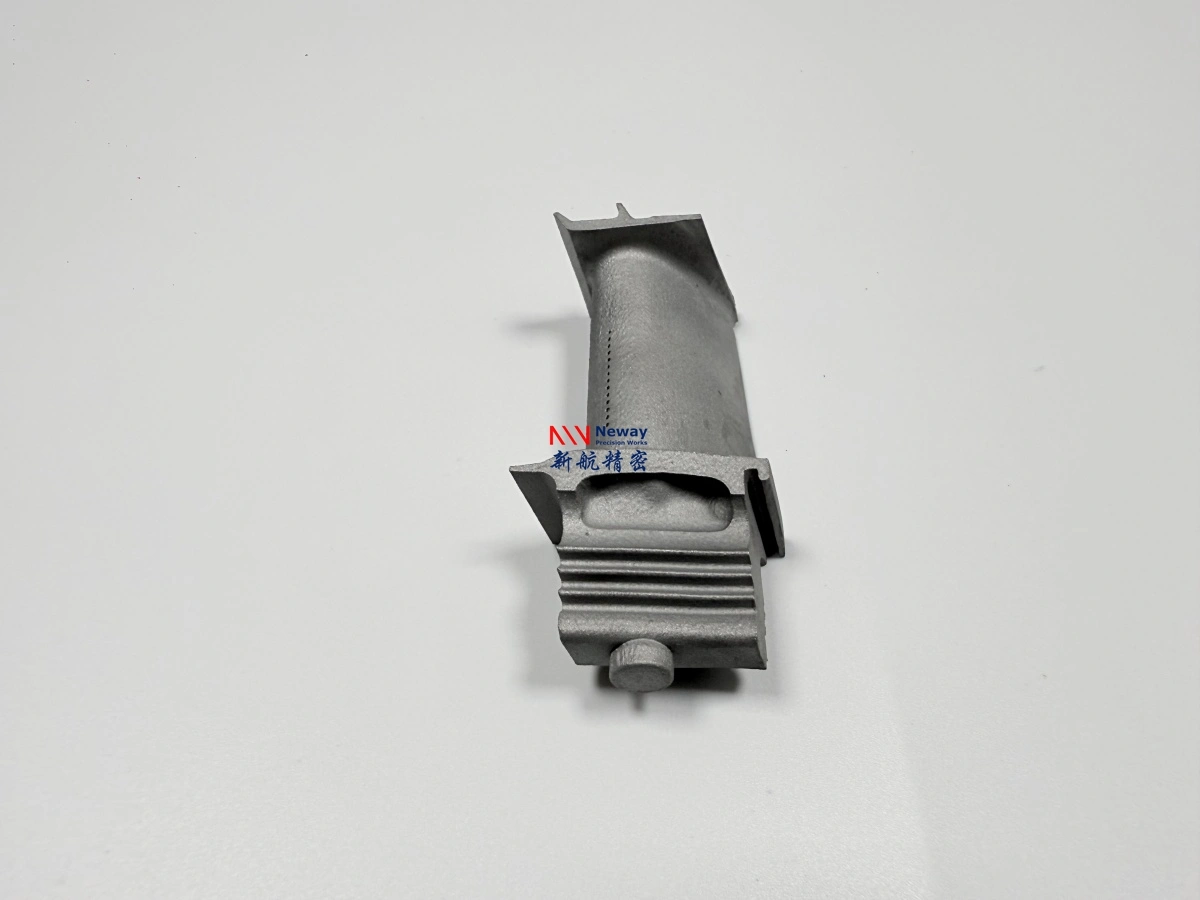
Für Hochleistungsgussverfahren wie Richtungsguss oder Einkristallguss ist die Aufrechterhaltung der mikrostrukturellen Gleichmäßigkeit entscheidend. Die CNC-Bearbeitung wendet optimierte Schnittparameter an, um thermische Verformung zu minimieren und die Kornorientierung zu schützen. Die Möglichkeit, Spindeldrehzahlen und Kühlraten fein abzustimmen, stellt sicher, dass Schaufelfüße, Druckflächen und Dichtkanten ihre ursprüngliche metallurgische Integrität bewahren – wesentlich für die Leistung von Luftfahrturbinen und die Ermüdungszuverlässigkeit.
Bei der Bearbeitung komplexer innerer Merkmale können zusätzliche Prozesse wie Superlegierungs-Tiefbohren integriert werden, um gleichmäßige strukturelle Eigenschaften im gesamten Bauteil sicherzustellen.
Reduzierte Defektausbreitung und Konsistenz
Restporosität aus dem Guss oder dem Superlegierungs-3D-Druck kann als Rissinitiierungspunkt wirken. Die CNC-Nachbearbeitung ermöglicht die präzise Entfernung defektanfälliger Bereiche und gewährleistet eine optimale Oberflächenintegrität, was die Ermüdungsrissausbreitung reduziert. Kombiniert mit der Prozessvalidierung durch Materialprüfung und -analyse gewährleistet dieser Ansatz hohe Wiederholbarkeit und niedrigere Ausschussraten in der Massenproduktion.
Automatische Werkzeugkompensation erhält auch die Maßstabilität während langer Produktionsläufe, was für Dichtungsflächen und druckbelastete Komponenten in Stromerzeugungs- und Öl- und Gasanwendungen entscheidend ist.
Synergie mit Nachbearbeitungsverfahren
Die CNC-Bearbeitung wird strategisch mit Nachbearbeitungsverfahren wie Heißisostatischem Pressen (HIP) und Wärmebehandlung kombiniert. HIP beseitigt Porosität und erhöht die Bruchzähigkeit, während die CNC-Bearbeitung die präzise Geometrie und Oberflächengüte wiederherstellt. Diese Synergie stellt sowohl metallurgische Integrität als auch dimensionale Leistung sicher – was zu höherer Zuverlässigkeit für Turbinenschaufeln, Brennkammerkomponenten und Druckbehälter führt.