Welche Nachbearbeitungsschritte sind für SLM-gedruckte Hastelloy X-Teile notwendig?
Spannungsarmglühen und Lösungsglühen
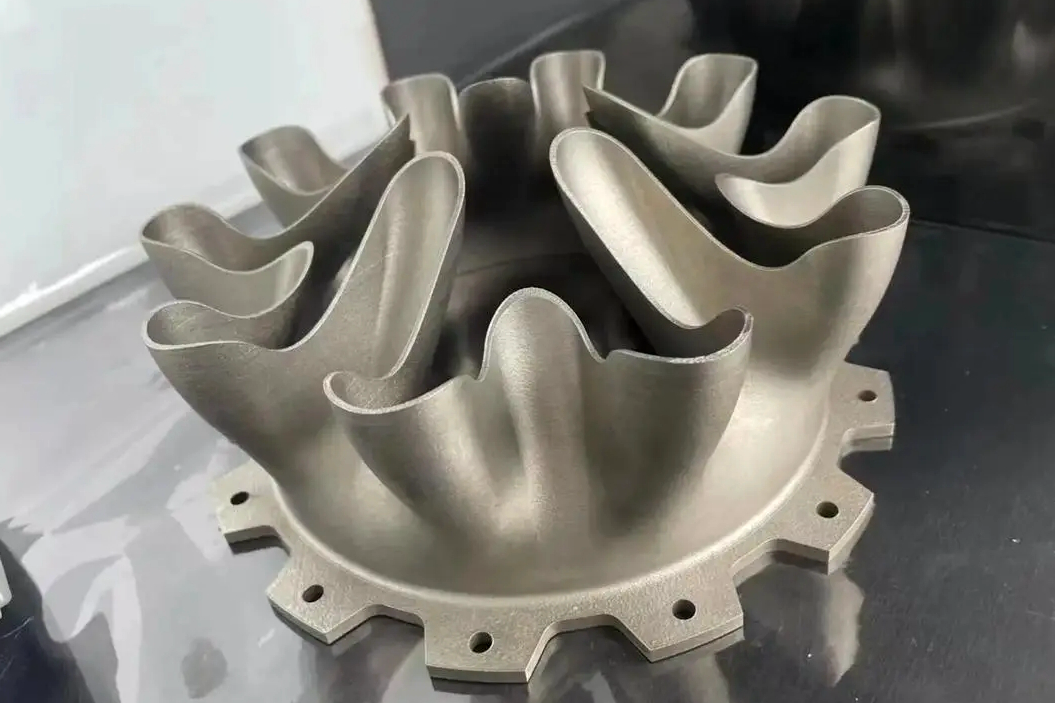
Der erste kritische Schritt für SLM-gedruckte Hastelloy X-Teile ist das thermische Spannungsarmglühen, um Verzug zu verhindern. Darauf folgt eine Hochtemperatur-Lösungsglühbehandlung, typischerweise zwischen 1150°C und 1175°C. Dieser Prozess erfüllt mehrere Funktionen: Er rekristallisiert das feine, nicht im Gleichgewicht befindliche Gefüge, das durch die rasche Erstarrung entsteht, löst spröde Sekundärphasen (insbesondere Karbide und topologisch dicht gepackte Phasen wie Mu und Sigma) auf und homogenisiert die Elementverteilung. Für Hastelloy X, das seine Oxidationsbeständigkeit aus einer stabilen Chromoxidschicht bezieht, ist diese Homogenisierung entscheidend für die Bildung einer kontinuierlichen Schutzschicht in Hochtemperatur-Einsatzumgebungen wie Luft- und Raumfahrt-Brennkammern.
Verdichtung durch Heißisostatisches Pressen
Heißisostatisches Pressen (HIP) wird für kritische SLM-gedruckte Hastelloy X-Komponenten dringend empfohlen. Der HIP-Zyklus, der bei Temperaturen nahe dem Lösungsglühbereich, aber unter hohem isostatischem Druck durchgeführt wird, beseitigt effektiv innere Bindefehler und gasverschlossene Porosität. Dies erhöht die Dichte und Isotropie des Materials dramatisch, was sich direkt in einer überlegenen Ermüdungslebensdauer, Kriechbruchfestigkeit und Duktilität niederschlägt. Dies ist für Teile, die zyklischen thermischen und mechanischen Belastungen in Energieerzeugungs-Gasturbinen ausgesetzt sind, nicht verhandelbar.
Oberflächenbearbeitung und Zerspanung
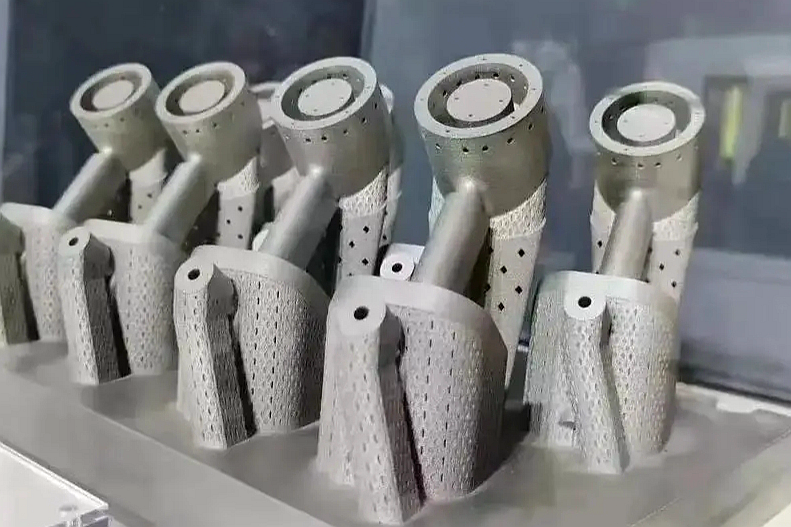
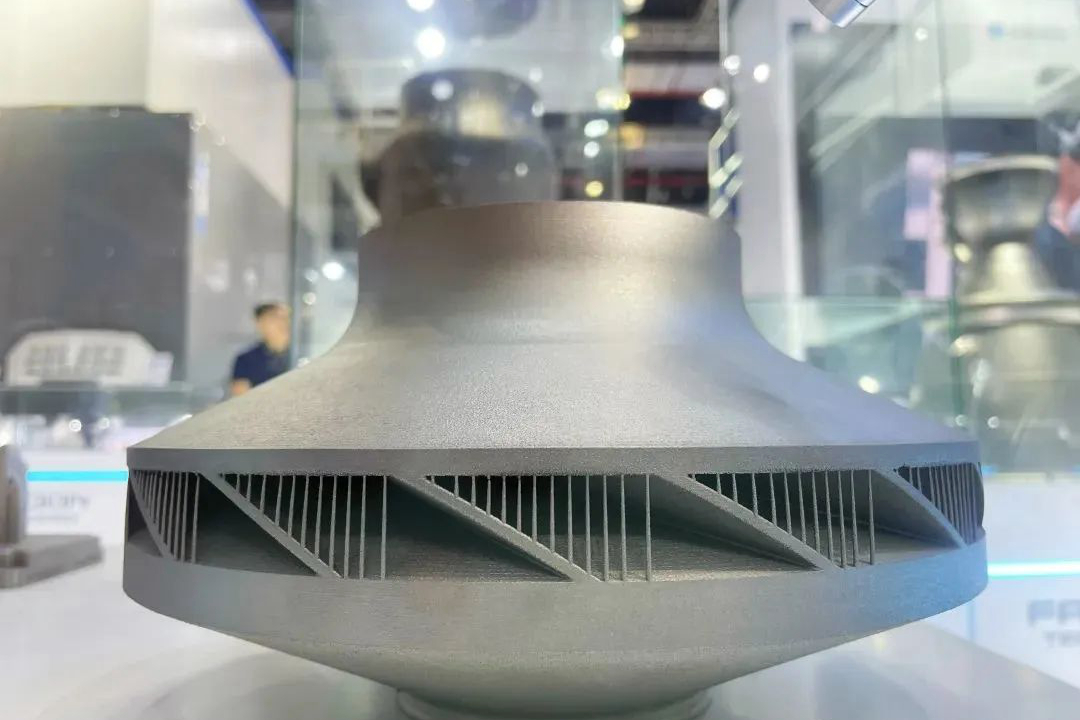
Die fertigungsbedingte Oberfläche von SLM-Teilen enthält teilweise aufgeschmolzene Pulverpartikel und eine hohe Oberflächenrauheit, die als Spannungskonzentrationsstellen wirken und Risse initiieren können. Abrasive Verfahren wie Vibrationsentgraten oder Strahlen werden zur allgemeinen Reinigung und Glättung eingesetzt. Für Dichtflächen, Passflächen und dünne Wände ist jedoch Präzisions-CNC-Bearbeitung unerlässlich, um die endgültigen Maßtoleranzen und eine hochwertige Oberflächengüte zu erreichen. Diese Bearbeitung sollte nach HIP und Lösungsglühen durchgeführt werden, um Maßstabilität zu gewährleisten.
Validierung und Leistungsprüfung
Eine abschließende Validierung durch umfassende Materialprüfung und -analyse ist zwingend erforderlich. Dazu gehören metallografische Untersuchungen zur Überprüfung eines vollständig rekristallisierten, fehlerfreien Gefüges sowie mechanische Prüfungen, um sicherzustellen, dass die Zug-, Kriech- und Ermüdungseigenschaften den Spezifikationen entsprechen. Für Komponenten, die im Öl- und Gas-Sektor verwendet werden, können zusätzliche Korrosionsprüfungen nach relevanten Normen (z.B. ASTM G48 für Lochfraßbeständigkeit) erforderlich sein, um die Leistung in korrosiven Umgebungen sicherzustellen.