Welche Vorteile bieten Titanlegierungen in WAAM für die Luft- und Raumfahrt?
Vorteile von Titanlegierungen in WAAM für die Luft- und Raumfahrt
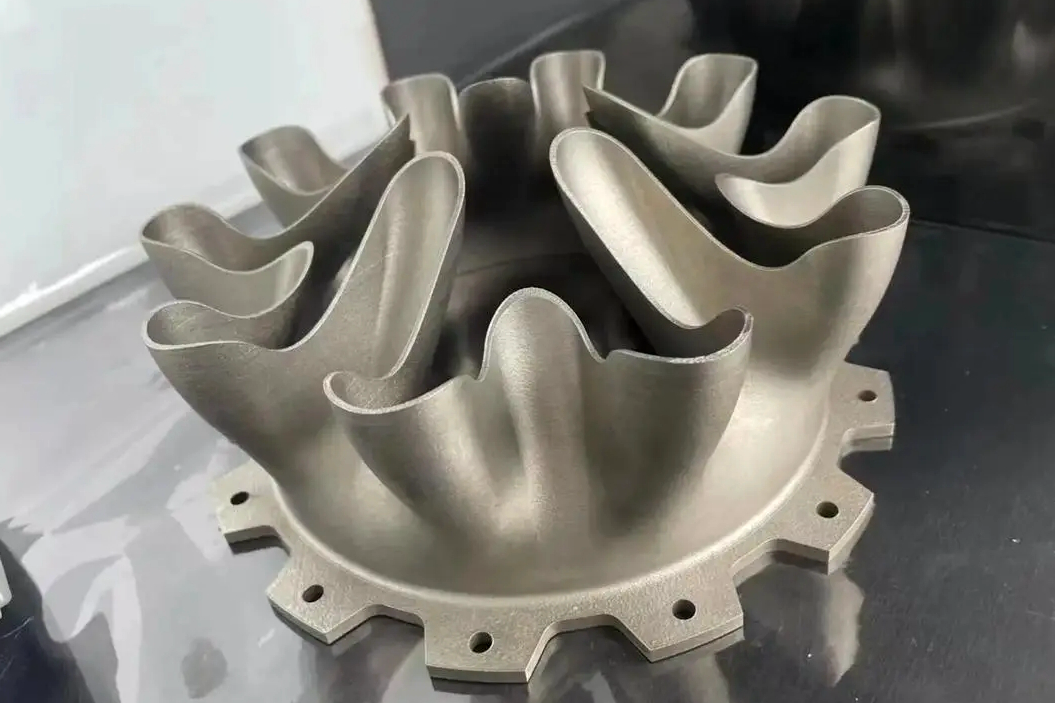
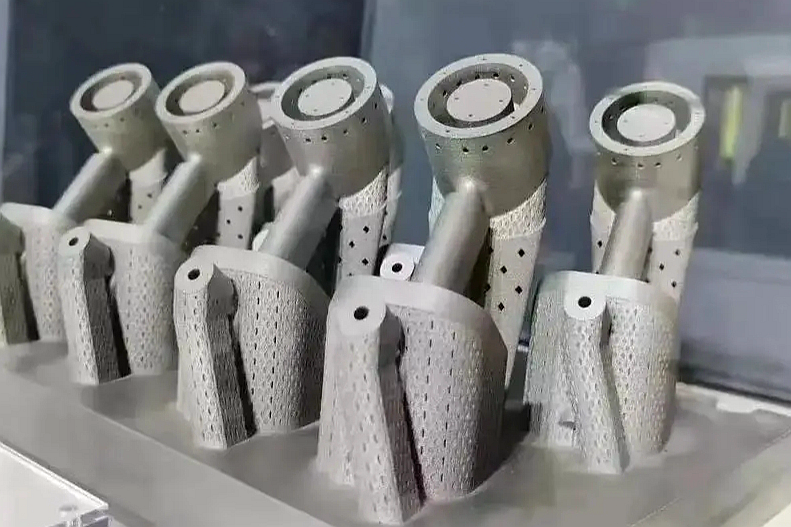
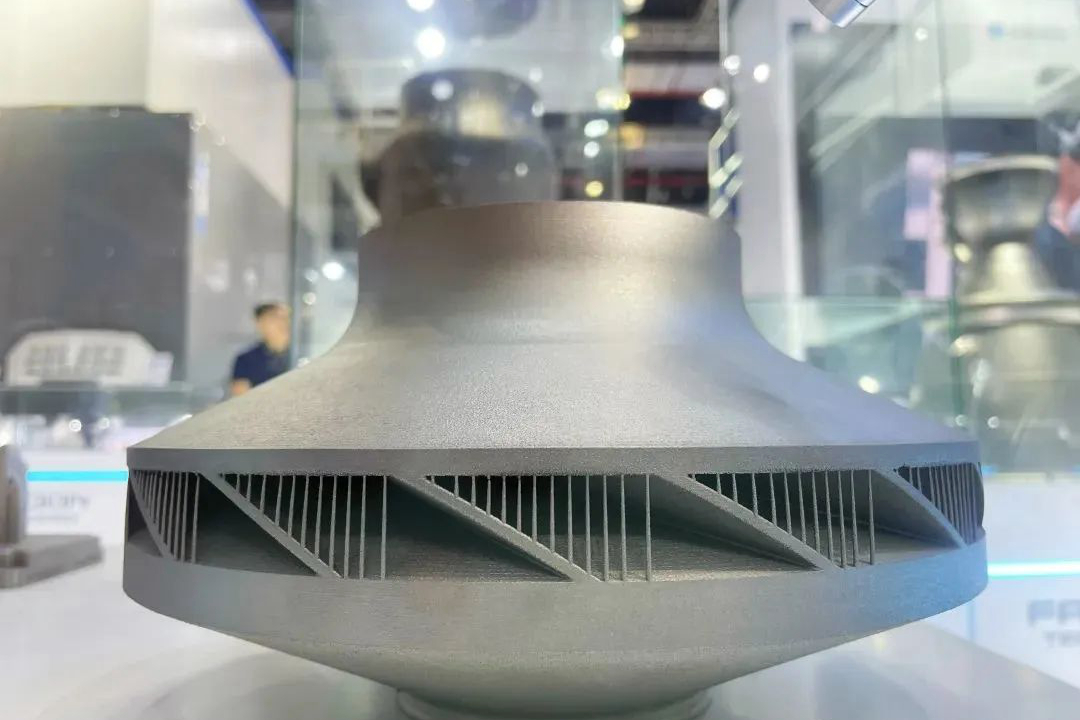
Titanlegierungen, insbesondere Ti-6Al-4V, bieten ein außergewöhnliches Festigkeits-Gewichts-Verhältnis, was sie für WAAM-Anwendungen im Luft- und Raumfahrtsektor sehr geeignet macht. Ihre geringe Dichte ermöglicht eine erhebliche Gewichtsreduzierung für Halterungen, Strukturrahmen und Verstärkungsteile der Außenhaut, was direkt zur Kraftstoffeffizienz und Lastoptimierung bei Flugzeugen und Raumfahrzeugen beiträgt. WAAM ermöglicht die nahezu endkonturnahe Fertigung großer Titanstrukturen, die aus Blöcken zu schmieden oder zu bearbeiten kostspielig oder unpraktisch wäre.
Die relativ hohe Wärmeleitfähigkeit von Titan verbessert die Abscheidungsstabilität und reduziert die Wärmeakkumulation, was zu glatteren Schichten und einer besseren geometrischen Kontrolle führt. Mit geeigneter Abschirmung und Atmosphärenkontrolle kann WAAM konsistente Titanbauteile herstellen, die anschließend durch CNC-Bearbeitung veredelt werden, um luft- und raumfahrtgerechte Toleranzen zu erreichen.
Korrosions- und Ermüdungsbeständigkeit
Ein weiterer großer Vorteil ist die Korrosionsbeständigkeit in anspruchsvollen Luft- und Raumfahrtumgebungen. Titanlegierungen widerstehen Oxidation und Spannungsrisskorrosion bei gleichzeitiger Aufrechterhaltung der Ermüdungslebensdauer unter zyklischer Belastung. In Kombination mit Nachbearbeitungs-Wärmebehandlungen und Qualitätssicherung durch Materialprüfung und -analyse erfüllen WAAM-gedruckte Titanbauteile die hohen Standards, die für strukturelle und druckbeaufschlagte Luft- und Raumfahrtkomponenten erforderlich sind.