Welche Vorteile bieten 304 und 316L Edelstähle in WAAM gegenüber traditionellen Methoden?
Vorteile von 304 und 316L Edelstählen in WAAM gegenüber traditionellen Methoden
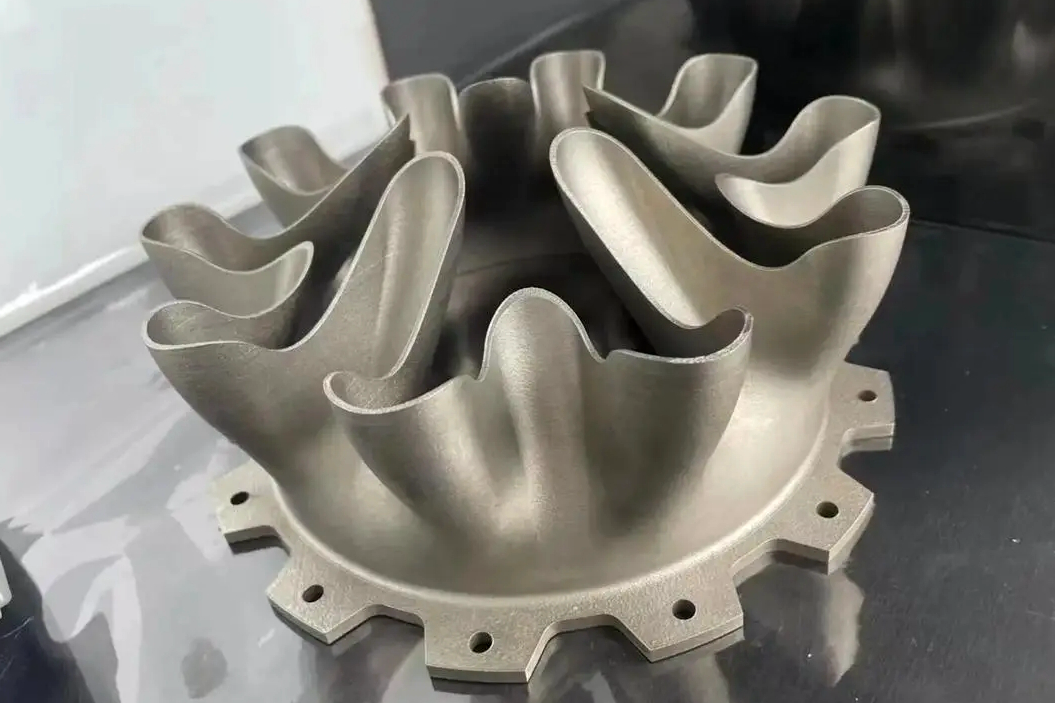
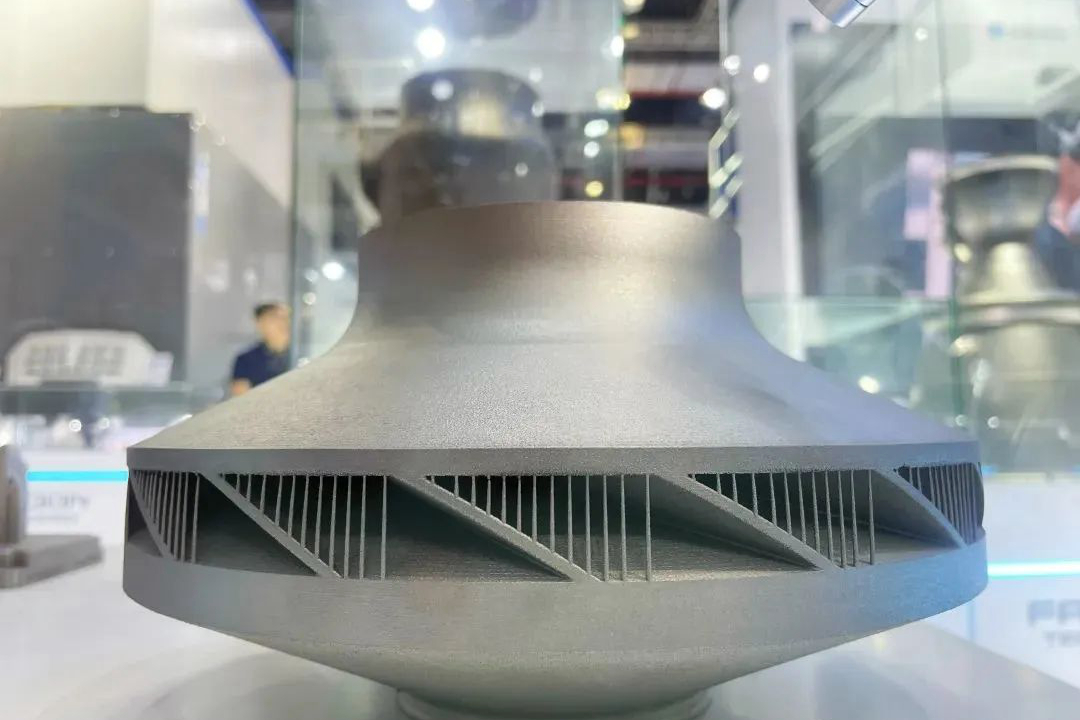
304 und 316L Edelstähle werden aufgrund ihrer guten Schweißbarkeit, stabilen Lichtbogenführung und starken Korrosionsbeständigkeit häufig in WAAM eingesetzt. Im Vergleich zu traditioneller Zerspanung oder Schmieden ermöglicht WAAM die Herstellung nahezu endkonturnaher Bauteile, was Materialverschwendung reduziert und den Bedarf an großen Rohblöcken eliminiert. Dies ist besonders vorteilhaft für große Strukturbauteile oder Rohrleitungskomponenten, bei denen die Zerspanung aus Vollmaterial ineffizient wäre. WAAM-gedruckte Edelstähle können durch CNC-Bearbeitung fertigbearbeitet werden, um Toleranzanforderungen zu erfüllen.
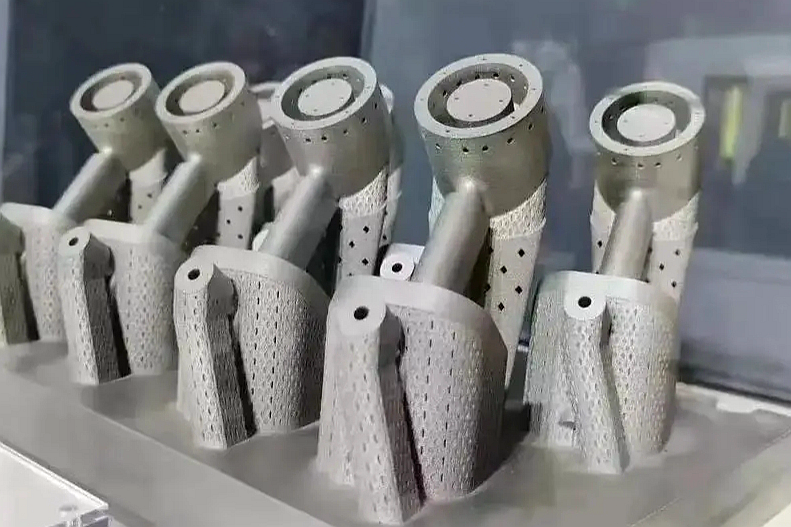
316L bietet eine überlegene Beständigkeit gegen chloridinduzierte Korrosion, was es für maritime und chemische Anwendungen geeignet macht. Dies entspricht den Anforderungen von Branchen wie Marine und chemische Verfahrenstechnik. WAAM ermöglicht die Herstellung von kundenspezifischen Geometrien und internen Kanälen, die mit konventionellen Techniken schwierig oder teuer herzustellen wären.
Prozesseffizienz und Flexibilität
Im Gegensatz zum Gießen – das Formen erfordert – oder Schmieden – das Hoch-Energie-Verformung beinhaltet – eliminiert WAAM den Werkzeugbedarf und verkürzt die Durchlaufzeit erheblich. Es ermöglicht eine kosteneffektive Produktion für Kleinserienaufträge und Reparaturanwendungen. In Kombination mit geeigneten Nachbearbeitungsprozessen wie Wärmebehandlung und Materialprüfung und -analyse können 304 und 316L WAAM-Bauteile mechanische Eigenschaften erreichen, die mit konventionell hergestellten Komponenten vergleichbar sind.
Insgesamt bietet WAAM Vorteile in der Edelstahlfertigung hinsichtlich Designfreiheit, Korrosionsbeständigkeit, Prozessflexibilität und Materialausnutzung – was es zu einer wettbewerbsfähigen Alternative zu traditionellen Methoden in strukturellen, drucktragenden und korrosiven Umgebungen macht.