Wie sich der LENS-Prozess im Vergleich zu traditionellen Methoden für Titanlegierungsteile verhält
Materialnutzung und Abfallreduzierung
Die traditionelle Bearbeitung von Titanlegierungen beinhaltet das Entfernen von Material aus massiven Blöcken, was zu erheblichem Abfall und hohen Produktionskosten führt. Der LENS-Prozess deponiert Material nur dort, wo es benötigt wird, und verbessert so das Buy-to-Fly-Verhältnis erheblich. Dies ist besonders vorteilhaft für hochwertige Luft- und Raumfahrtlegierungen wie TA15 und Ti-6Al-4V, bei denen Materialabfall die Produktionskosten direkt beeinflusst.
Designfreiheit und komplexe Geometrien
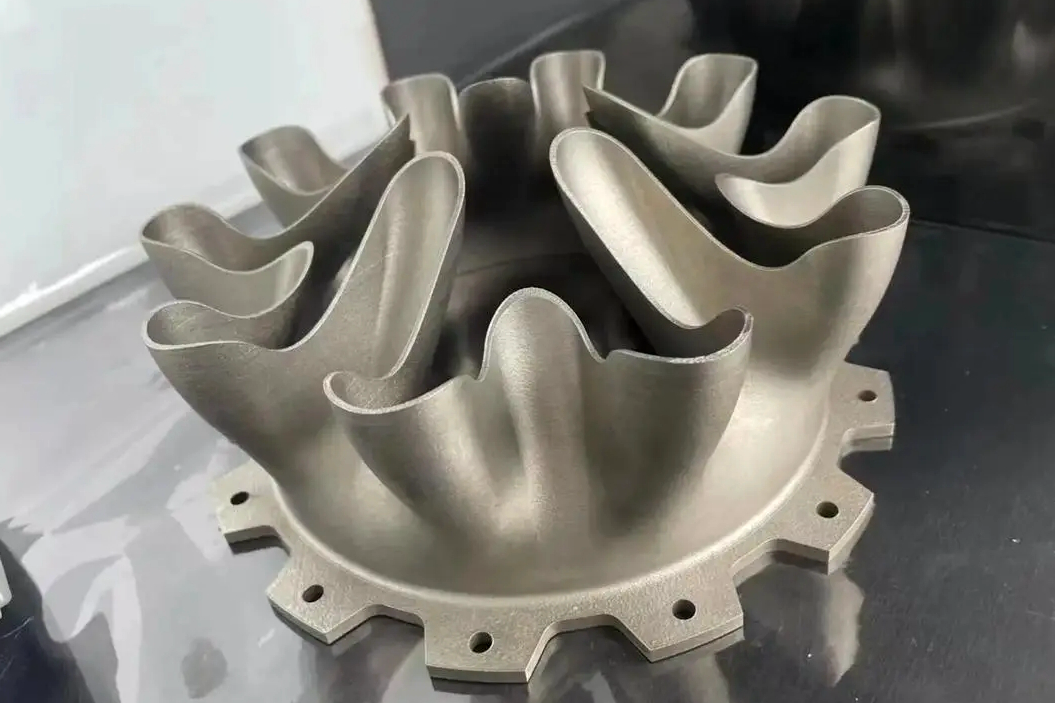
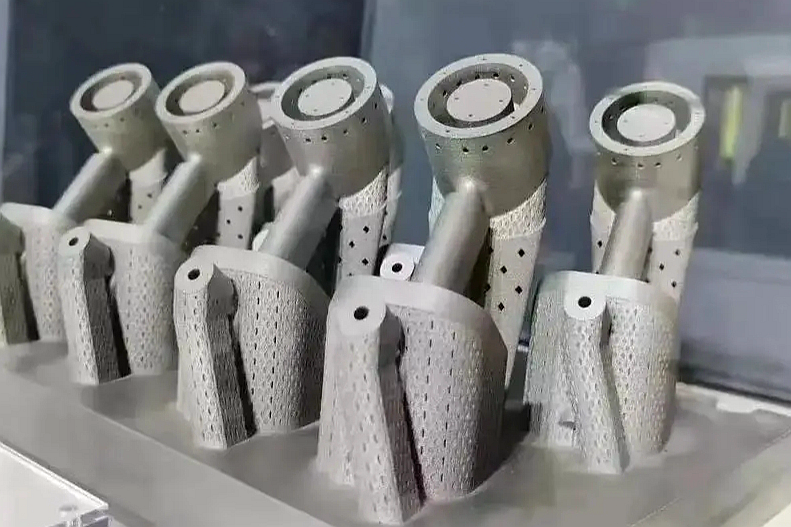
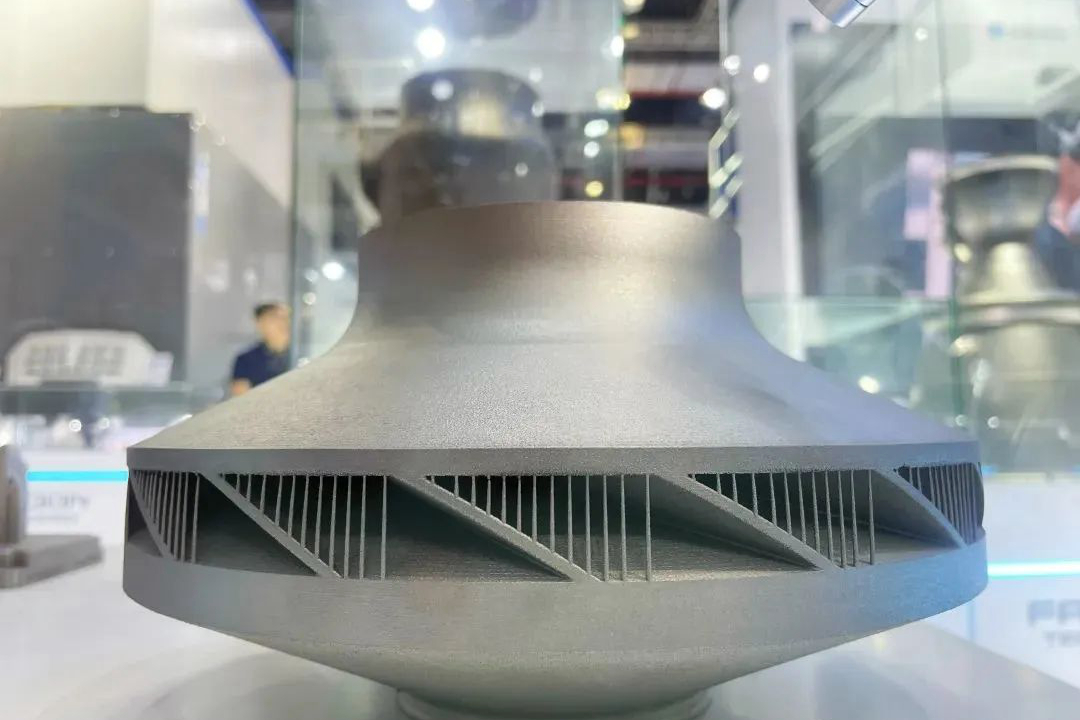
Die konventionelle Fertigung hat Einschränkungen bei der Herstellung interner Kanäle, Gitterstrukturen und konformer Kühlwege. LENS ermöglicht komplexe Geometrien und Topologieoptimierung und erlaubt gleichzeitig die direkte Integration mit CNC-Bearbeitung für die finale Toleranzkontrolle. Dieser hybride Ansatz ist ideal für leichte Luft- und Raumfahrtkomponenten, die sowohl Komplexität als auch Präzision erfordern.
Vorteile bei Reparatur und Lebensdauerverlängerung
Traditionelle Reparaturmethoden für Titanteile beinhalten oft eine vollständige Neufertigung oder Schweißen mit hohem Wärmeeintrag, was thermische Verformung verursachen kann. LENS ermöglicht lokalisierte Reparatur und das Hinzufügen von Merkmalen mit kontrolliertem Wärmeeintrag, wodurch die Lebensdauer der Komponente erheblich verlängert wird. Diese Fähigkeit ist wertvoll für Teile, die durch Einkristallguss oder Vakuum-Fein-Investmentguss hergestellt wurden, bei denen ein vollständiger Austausch teuer ist.
Mechanische Eigenschaften und Leistung
LENS-gedruckte Titanteile zeigen zunächst Gefüge mit schneller Erstarrung, können aber nach Heißisostatischem Pressen (HIP) und Wärmebehandlung mechanische Eigenschaften erreichen, die denen von Schmiedeteilen entsprechen oder diese übertreffen. Diese Prozesse verfeinern die Phasenverteilung und beseitigen Porosität, was zu Luft- und Raumfahrt-tauglicher Ermüdungsbeständigkeit führt.
Produktionsvolumen und Effizienz
Traditionelle Methoden sind für die Serienfertigung einfacher Geometrien immer noch effizienter. LENS hingegen glänzt bei der Klein- bis Mittelserienfertigung, insbesondere für kundenspezifische Komponenten in der Luft- und Raumfahrt, Öl und Gas sowie in Verteidigungsanwendungen, wo Reparatur, Modifikation und schneller Prototypenbau erhebliche Vorteile gegenüber konventionellen Ansätzen bieten.