Welche Nachbearbeitungsschritte sind typischerweise für WAAM-Aluminiumteile erforderlich?
Bearbeitung und Maßgenauigkeit
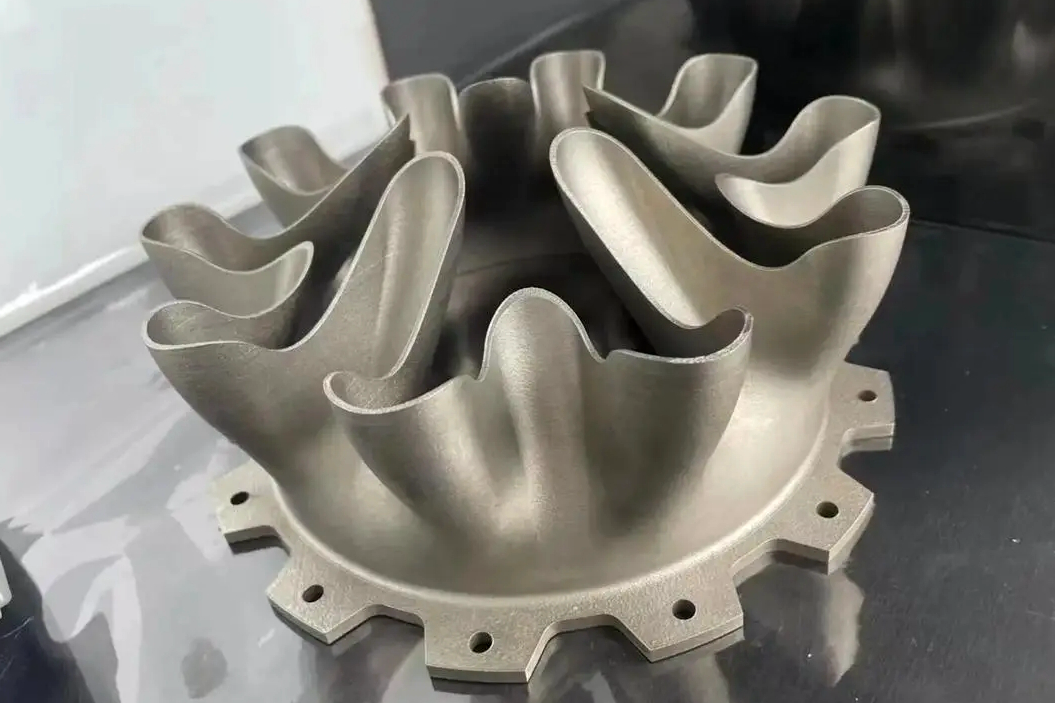
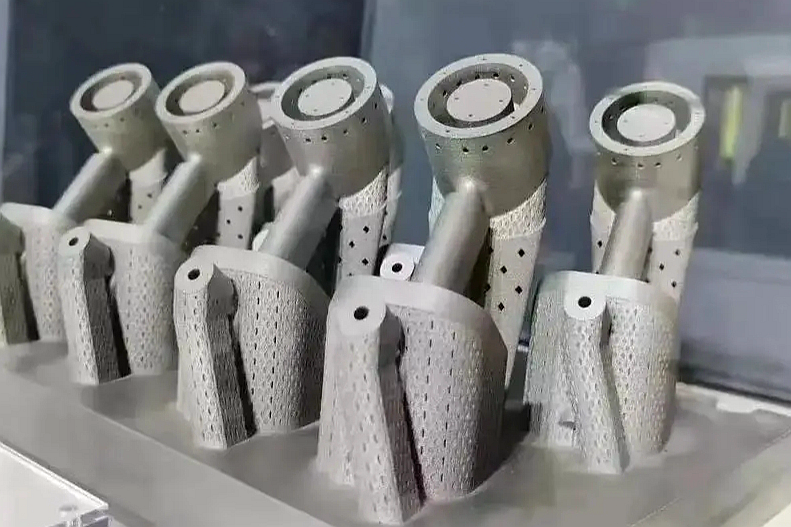
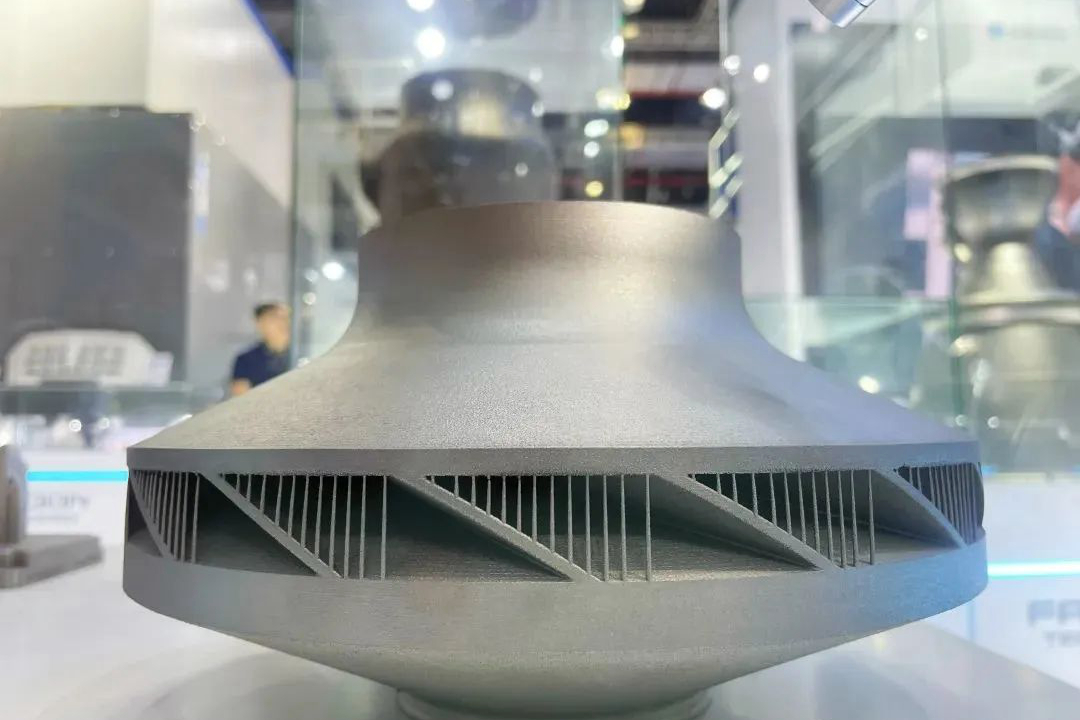
WAAM-Aluminiumteile erfordern typischerweise Präzisionsbearbeitung als primären Nachbearbeitungsschritt aufgrund ihrer groben Wulstgeometrie und höheren Oberflächenrauheit im Vergleich zu Pulverbettverfahren. CNC-Bearbeitung wird verwendet, um endgültige Toleranzen, Ebenheit, Dichtflächen und Schnittstellengeometrien zu erreichen. Für Komponenten, die in kritische Baugruppen in Bereichen wie Luft- und Raumfahrt oder Energieerzeugung integriert sind, kann die Bearbeitung mehrere Millimeter Material entfernen, um Maßgenauigkeit und Wiederholbarkeit sicherzustellen.
Wärmebehandlung und Spannungsarmglühen
Da WAAM über lange Abscheidzeiten hohe Wärmeeinträge einführt, können sich Eigenspannungen in der Aluminiumstruktur ansammeln. Spannungsarmglühbehandlungen werden üblicherweise angewendet, um das Gefüge zu stabilisieren, Verzug während der Bearbeitung zu verhindern und die mechanischen Eigenschaften zu verbessern. Für Legierungen wie AlSi10Mg können Auslagern oder Lösungsglühen verwendet werden, um die Festigkeit zu erhöhen und das Material zu homogenisieren.
Oberflächenkonditionierung und Polieren
WAAM-Oberflächen sind typischerweise rauer als SLM- oder DMLS-Bauteile, daher kann zusätzliche Oberflächenvorbereitung erforderlich sein. Dies kann je nach funktionaler Anforderung Schleifen, Mahlen, Strahlen oder Polieren umfassen. Für aerodynamische oder strömungstechnische Komponenten helfen glattere Oberflächen, Turbulenzen zu reduzieren und die Leistung zu erhöhen, was die Oberflächenkonditionierung wesentlich macht.
Zerstörungsfreie Prüfung und Qualitätssicherung
Kritische WAAM-Aluminiumstrukturen durchlaufen oft zerstörungsfreie Prüfungen, um die Integrität vor dem endgültigen Einsatz zu verifizieren. Techniken wie Röntgen, Ultraschallprüfung und metallografische Probenahme helfen, Poren, fehlende Verschmelzungsbereiche oder wärmebehandlungsbedingte Anomalien zu erkennen. Fortgeschrittene Materialprüfung und -analyse stellt sicher, dass das Endteil mechanische und strukturelle Anforderungen erfüllt, insbesondere für Luft- und Raumfahrtanwendungen.
Endmontage und funktionelle Bearbeitung
Abhängig von der Anwendung können WAAM-Komponenten Beschichtungen, Eloxieren oder Dichtbehandlungen erfordern, um die Korrosionsbeständigkeit und Haltbarkeit zu erhöhen. Nachdem alle Bearbeitungs-, Wärmebehandlungs- und Prüfschritte abgeschlossen sind, werden die Teile mit passender Hardware montiert und für reale Betriebstests vorbereitet.