Heat Recovery Segments Corrosion Resistant Metal Service For Efficient Energy
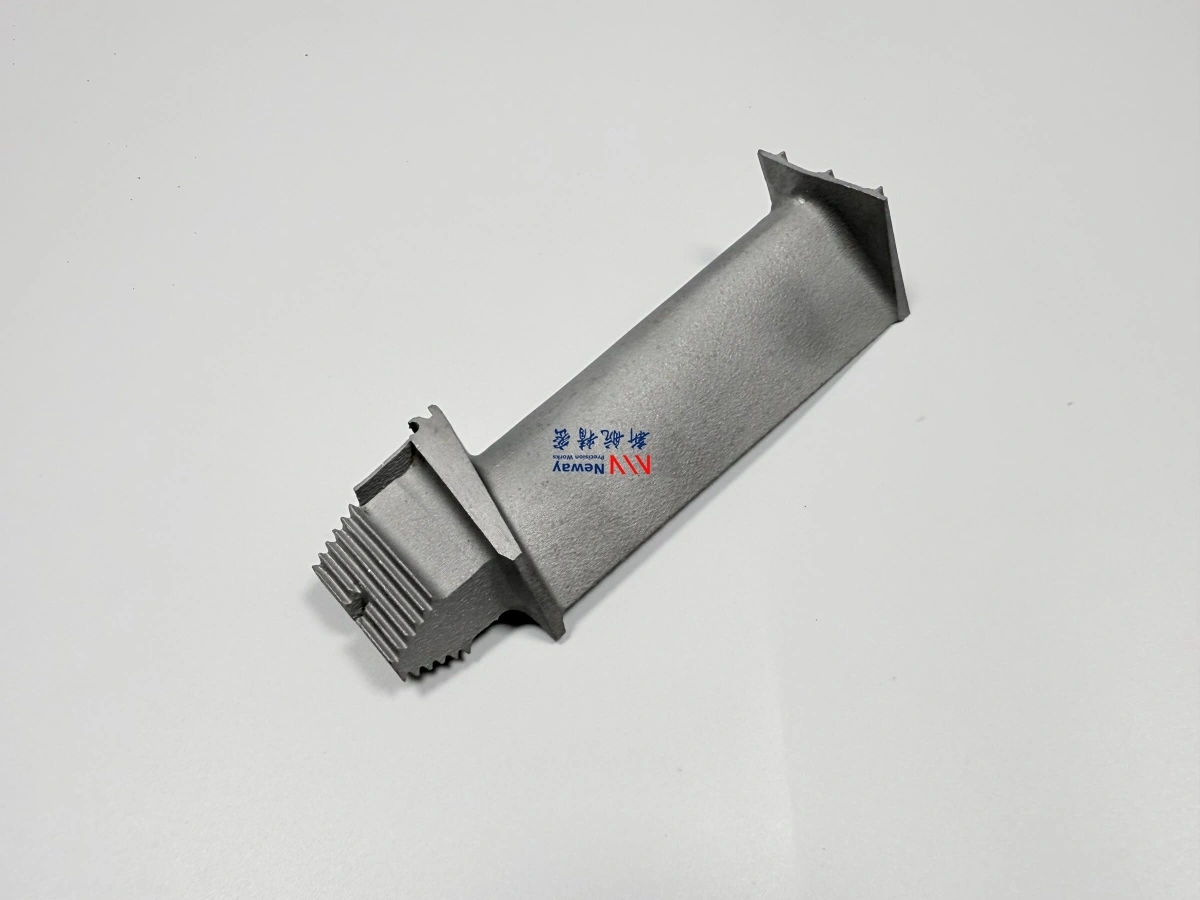
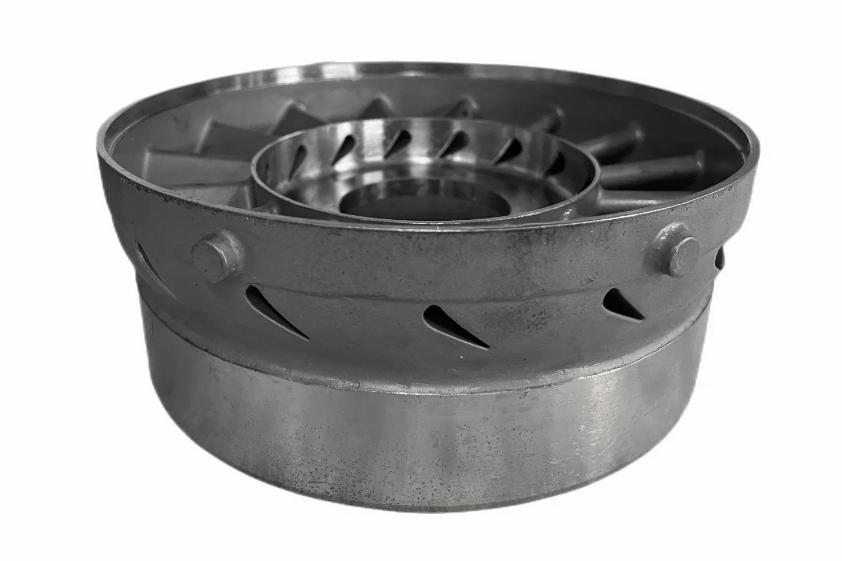
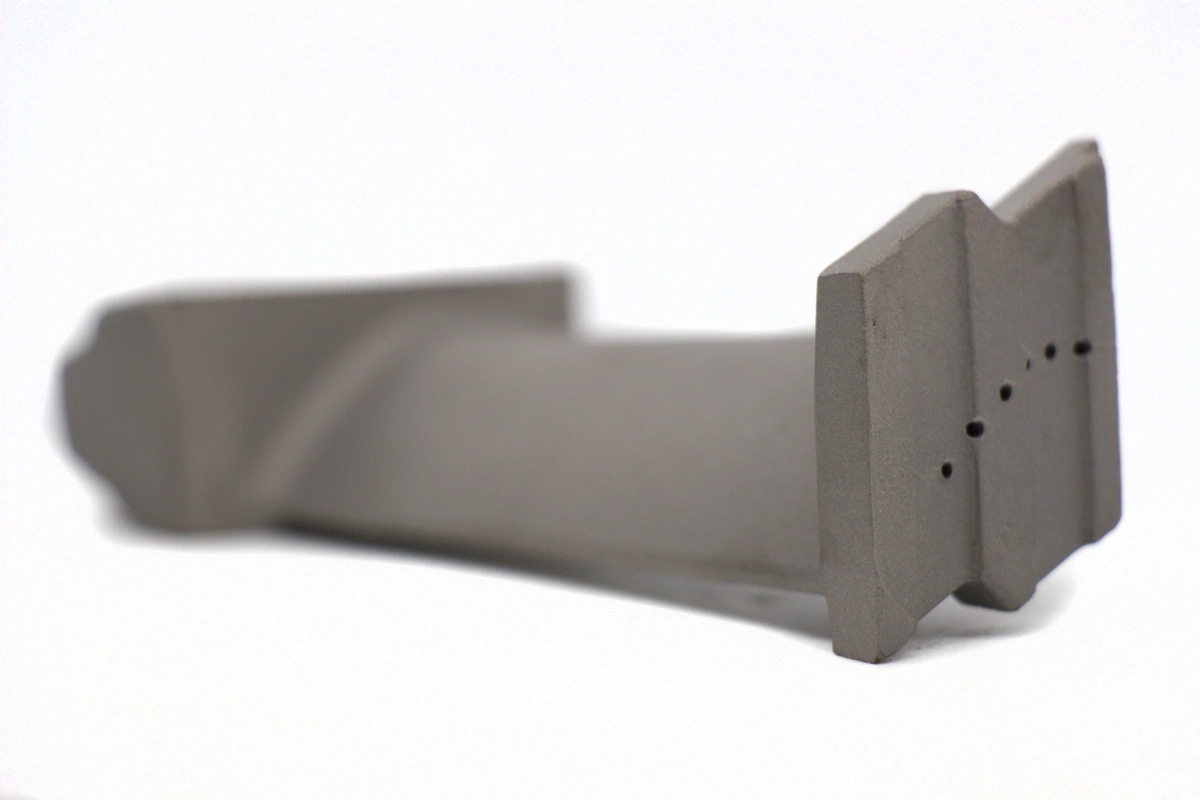
A heat-recovery segment RFQ should define the gas or process stream, alloy grade, corrosion exposure, flow-path geometry, cleaning requirement, and inspection evidence before a supplier quotes the part. HRS hardware may include heat-exchanger fixtures, guide segments, supports, baffles, duct inserts, seal pieces, brackets, and high-temperature flow-control details. NewayAeroTech can review custom corrosion-resistant metal components for energy and heat-recovery systems when the buyer provides drawings, models, material requirements, quantity, surface condition, and acceptance criteria.
The difficult part of these projects is not only heat. Heat-recovery hardware often sees condensate, oxide scale, process gas, sulfur-bearing environments, thermal cycling, and crevice-prone assemblies. That combination changes alloy selection, casting route, machining allowance, surface preparation, and inspection. A useful supplier quotation should explain how the component will be manufactured and how corrosion-sensitive surfaces will be verified, not simply name a high-temperature alloy.
Define the Heat-Recovery Segment Environment First
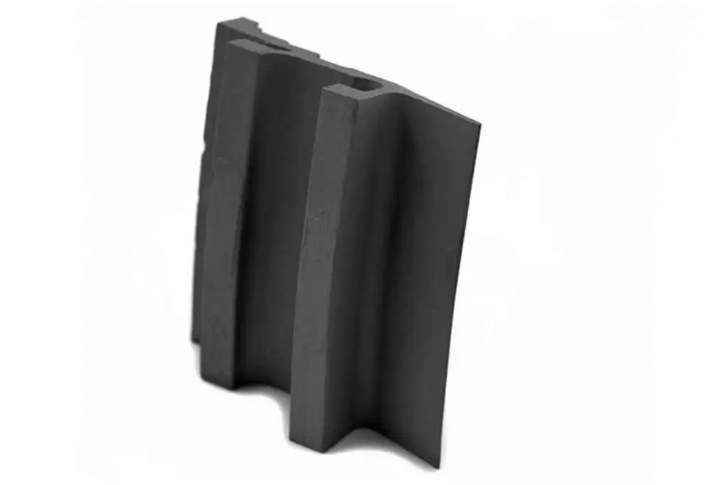
Buyers should describe where the segment sits in the system: exhaust-side, process-gas side, steam-side, fixture zone, duct transition, or heat-exchanger support area. A component close to hot gas may need oxidation resistance and thermal-cycle stability. A part near condensate or chemically aggressive flow may need stronger corrosion review. A fixture used during heat-exchanger manufacturing may need dimensional stability, repeat handling resistance, and clean surface condition rather than long-term hot-gas exposure.
The RFQ should include temperature range if known, media description, cleaning chemicals, pressure or flow-contact notes, installation orientation, and whether the part is a consumable fixture or a service component. If the buyer cannot share full operating data, it can still provide a practical exposure summary: dry heat, wet steam, corrosive gas, scale contact, cyclic heating, or washdown environment. That information helps NewayAeroTech match the manufacturing route to the real risk surface.
Exposure condition | Likely manufacturing concern | RFQ detail to provide |
Dry hot-gas contact | Oxidation, scaling, surface roughness, and thermal movement | Gas path location, surface finish, alloy grade, and inspection after heat treatment. |
Condensate or wet process side | Localized corrosion, crevice areas, and cleaning compatibility | Fluid chemistry if available, cleaning method, drainage features, and surface acceptance. |
Heat-exchanger fixture use | Repeated thermal cycles, handling wear, and dimensional stability | Fixture contact points, batch quantity, heat-cycle condition, and replacement frequency expectation. |
Duct or support segment | Distortion, weld or bolted interface, and assembly fit | Mounting datum, thickness, hole pattern, and final dimensional evidence. |
Select Corrosion-Resistant Alloys by Contact Surface
Alloy selection should start with the surface that faces corrosion or oxidation. Inconel 625, Inconel 718, Hastelloy X, Hastelloy C-type grades, Haynes 188, selected stainless alloys, and cobalt-based wear-resistant alloys may be reviewed depending on the drawing and environment. The best grade for a duct insert may not be the same as the best grade for a seal segment or a manufacturing fixture. Buyers should avoid broad phrases such as “corrosion-resistant metal” without an approved grade, because suppliers may price different alloy families.
NewayAeroTech can support corrosion-resistant high-temperature alloy casting and material-route review for custom heat-recovery parts. If the buyer has an approved material list, the RFQ should include it. If the alloy is open, the supplier can propose candidate grades for customer engineering review, along with route limits such as casting feasibility, CNC machinability, welding behavior, heat treatment, and testing availability.
Contact surface | Material review emphasis | Buyer input that prevents ambiguity |
Hot-gas face | Oxidation resistance and surface stability | Gas composition, temperature band, coating or cleaning note. |
Condensate or chemical face | Corrosion resistance and crevice control | Media description, pH or chemical family if known, drainage and cleaning details. |
Wear or rubbing face | Hardness, galling risk, and compatible surface treatment | Mating material, contact load condition, finish requirement, and repair boundary. |
Fixture contact point | Dimensional stability and repeated handling | Cycle condition, contact geometry, allowable marks, and batch size. |
Choose the Route From Shape, Wall Thickness, and Assembly Interface
Heat-recovery segments can be cast, machined, fabricated, or produced from a combined route. Vacuum investment casting may fit curved guide pieces, baffles, supports, or near-net superalloy features that would waste too much material if fully machined. Superalloy CNC machining may fit flat seal faces, mounting features, precision holes, grooves, and fixture contact surfaces. Fabrication may be considered for sheet-like sections or welded frames when thickness and distortion can be controlled.
The buyer should identify the hardest feature, then ask the supplier to explain the route around it. A curved gas-path wall creates a different challenge from a long flat seal face. A thin baffle may need distortion control after heat treatment. A fixture segment may need repeatable contact surfaces more than complex alloy casting. Good RFQs include wall thickness, datum scheme, machining stock, surface finish, and the surfaces that cannot be blended or polished after manufacturing.
Post-Process Scope Should Reflect Corrosion and Cleaning Requirements
Surface condition is a major part of heat-recovery hardware supply. Depending on the alloy and application, the route may include heat treatment, stress relief, passivation or cleaning, coating preparation, polishing, grinding, shot blasting, or oxide removal. NewayAeroTech can review heat treatment and superalloy post-process requirements when the drawing defines the required final condition.
Buyers should specify whether corrosion resistance depends on the alloy alone, a surface treatment, a coating-ready surface, or a cleanliness requirement after machining. A supplier cannot price this reliably if the RFQ only asks for a finished part. The drawing should mark surfaces exposed to gas, condensate, cleaning fluid, or sealing contact, and it should state whether the surface may be ground, polished, coated, or left as-cast.
Post-process decision | Where it applies | What the quote should state |
Heat treatment or stress relief | Cast or machined superalloy segments with dimensional movement risk | Sequence, included records, and whether final machining follows treatment. |
Surface cleaning or passivation | Corrosion-sensitive parts, fixtures, and process-exposed surfaces | Cleaning method, final residue expectation, and visual acceptance. |
Coating or coating preparation | Hot-gas or oxidation-facing surfaces | Whether coating is included, prepared only, or excluded from supplier scope. |
Final grinding or polishing | Seal faces, fixture contact points, and flow-path surfaces | Surface finish, allowable blending, and inspection method. |
Inspection Must Cover Both Corrosion Risk and Assembly Fit
A heat-recovery segment can fail buyer acceptance in two ways: the material may not match the corrosion environment, or the finished geometry may not fit the assembly. Material evidence may include chemical analysis, heat lot traceability, hardness, metallography, or heat-treatment records. Surface inspection may include visual review, FPI or DPI, roughness checks, and cleaning verification when specified. Dimensional evidence may include CMM reporting, profile measurement, thickness checks, and inspection of hole patterns, grooves, or seal faces.
NewayAeroTech can support material testing and analysis for custom heat-recovery alloy parts. Buyers should map inspection to the actual risk areas: gas-contact surface, condensate pocket, fixture contact point, bolted interface, weld area, or thin wall. The supplier should state which reports are included and which tests are available only when specified by the buyer.
Prototype and Small-Batch Supply Need Different Quote Boundaries
Prototype heat-recovery components may be used to check assembly fit, thermal movement, cleaning access, or fixture contact before production release. A prototype route can differ from the repeat-production route, especially when tooling cost, casting development, or additive manufacturing is under review. Buyers should state whether the first piece is for fit, process validation, corrosion exposure testing, or production-intent use.
For small-batch supply, the quotation should lock down alloy procurement, repeatable blank route, machining fixture strategy, post-process sequence, and inspection evidence. If the project begins with an old part, sample wear and corrosion should be separated from final design geometry. NewayAeroTech can review samples and drawings, but the buyer should approve the final model and acceptance plan before releasing production.
Cost drivers should be separated before quotation. Tooling for a cast segment, machining time for seal surfaces, post-process cleaning, corrosion-facing surface preparation, and report requirements can each outweigh raw material cost. When a supplier sees those items early, it can price the project as a controlled heat-recovery component instead of a simple metal shape.
RFQ Checklist for Heat-Recovery Segment Projects
Send the 2D drawing, 3D model, material grade or approved material list, media exposure, quantity, part function, wall thickness, machining stock, surface finish, heat treatment, coating or cleaning requirement, inspection standard, and any sample-condition photos. Mark gas-contact surfaces, condensate pockets, seal faces, fixture contact points, weld areas, and holes or slots that control assembly. State whether the quote should cover a cast blank, machined component, fabricated part, or finished segment with records.
Ask the supplier to return a process route, included operations, excluded operations, material evidence, post-process responsibility, inspection deliverables, and open engineering questions. This keeps the buying decision focused on corrosion-resistant custom manufacturing support instead of a generic metal-part quotation.
Related FAQs
What are heat exchanger fixtures, and why are they important in manufacturing?
Which superalloys are commonly used for manufacturing heat exchanger fixtures?
How does vacuum investment casting benefit heat exchanger fixture production?
For heat-recovery segment RFQs, define the exposure condition, alloy grade, contact surfaces, post-process scope, and inspection evidence before comparing suppliers. NewayAeroTech can review custom corrosion-resistant high-temperature alloy components for energy and heat-recovery applications based on customer drawings and project requirements.