Exhaust System Components: High-Temperature Alloy Solutions from Trusted Producers
High-temperature exhaust system components need more than a heat-resistant alloy name in the RFQ. A transition duct, exhaust frame segment, liner, diffuser element, bellows-adjacent fitting, heat shield, or mounting flange can fail quotation review if the buyer does not define gas-path exposure, wall thickness, joint geometry, oxidation or corrosion environment, and the surfaces that must be machined after forming. For custom manufacturing, the supplier must understand whether the part is a cast component, fabricated assembly, machined fitting, or a combined route with post-processing and inspection records.
NewayAeroTech can review high-temperature alloy exhaust component projects based on drawings, samples, material specifications, and inspection requirements. Depending on geometry, a project may involve vacuum investment casting, superalloy CNC machining, post-process cleaning, heat treatment, welding review, surface treatment, and material testing. The buyer gets a stronger quotation when the RFQ separates base component supply from downstream assembly, coating, pressure boundary, and release-document responsibility.
Define the Exhaust Component Duty First
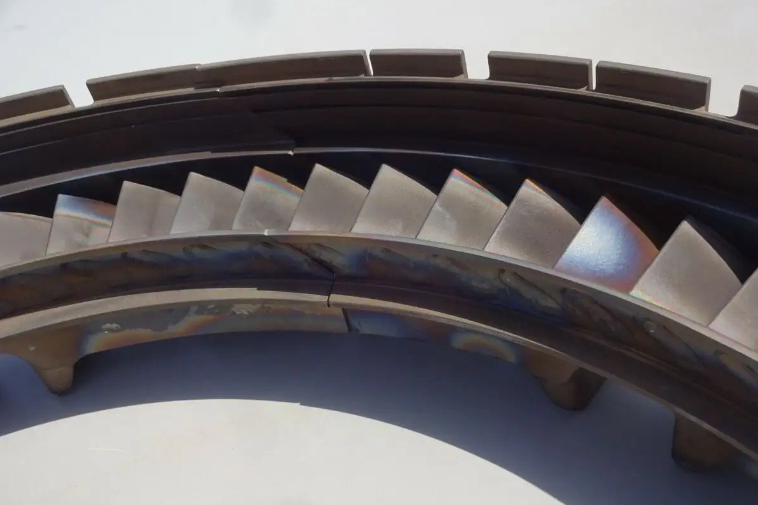
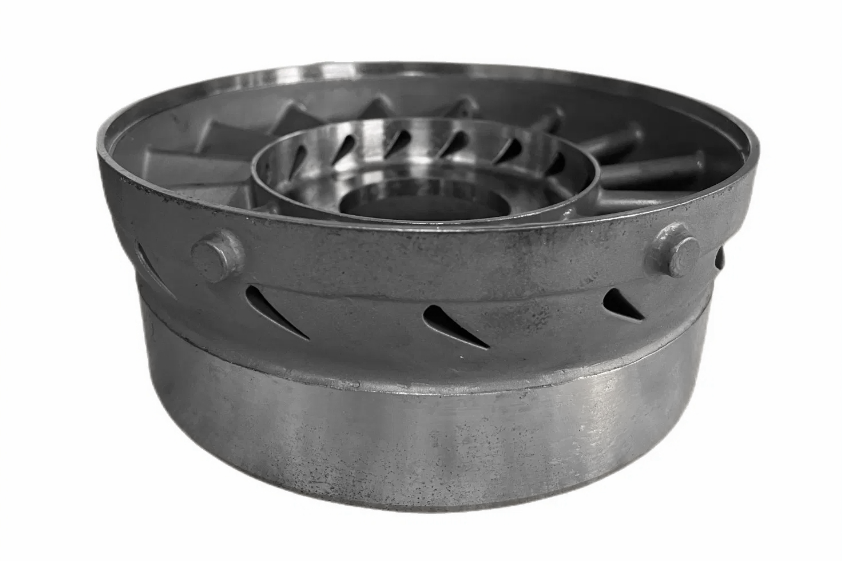
Exhaust system component is a broad label. In high-temperature equipment, the part may guide hot gas, shield nearby structures, connect ducting, carry sensors, support a liner, or provide a machined interface for assembly. Each duty creates a different manufacturing risk. A flow-path surface needs stable geometry and oxidation resistance. A flange needs flatness, bolt-hole position, and sealing-face cleanup. A thin duct section needs distortion control. A welded or assembled part needs joint access and post-weld inspection planning.
The RFQ should describe where the component sits in the system and which surfaces are functional. If the part sees direct gas flow, identify the hot side, cold side, mounting features, and any coating allowance. If the part is structural support around an exhaust path, define load-bearing pads, brackets, and thermal growth concerns. If it is a replacement based on a used sample, mark worn, oxidized, coated, or repaired areas that should not be copied as final geometry. That information changes casting, fabrication, machining, and inspection scope.
Component duty | Feature to define | Manufacturing decision affected |
|---|---|---|
Hot gas path duct or transition part | Wall thickness, flow-path surface, flange location, and thermal expansion area. | Casting versus fabrication route, distortion control, and final inspection access. |
Exhaust liner or heat shield | Hot-side surface, attachment details, coating allowance, and cooling or clearance features. | Material selection, surface treatment boundary, and dimensional control after heat exposure. |
Mounting flange or fitting | Flatness, bolt pattern, sealing face, weld interface, and final datum scheme. | Machining sequence, fixture design, and CMM or leak-related inspection planning. |
Repair or replacement sample | Reliable dimensions, worn surfaces, previous welds, oxidation, and coating residue. | Reverse engineering boundary and whether a new drawing must be released before production. |
Select Alloys Around Oxidation and Thermal Fatigue
Exhaust hardware often needs oxidation resistance, thermal fatigue resistance, weldability or repairability, and enough strength at temperature. Hastelloy X, Haynes 188, Inconel 625, Inconel 718, selected stainless grades, and cobalt-based alloys may be reviewed depending on the part and specification. Material choice should be connected to the component duty rather than copied from a generic alloy list. A thin duct section, a machined flange, a liner bracket, and a heat shield can all justify different material and process decisions.
If the drawing already specifies a grade, the supplier should quote that requirement and state any manufacturability concerns. If the buyer is choosing between candidate alloys, the RFQ should include the gas environment, approximate duty cycle, thermal exposure, corrosion concern, joining requirement, and inspection expectation. NewayAeroTech can review manufacturing suitability based on the supplied requirements, but final material approval should remain with the buyer or design authority when the application is critical.
Route Choice: Casting, Fabrication, or Machining
Vacuum investment casting can fit exhaust components with integrated bosses, complex transitions, brackets, ribs, or near-net features that would be wasteful to machine from solid stock. Fabrication may fit large ducting, sheet sections, or assemblies where formed and welded pieces provide better economics. CNC machining may fit smaller fittings, flanges, adapters, and prototypes where tooling is not justified. The route decision should be made from geometry, quantity, wall section, tolerance, and whether the component needs final heat treatment or surface treatment.
For casting RFQs, the buyer should identify thin-wall areas, heavy-to-thin transitions, feed points that are restricted by design, and surfaces that must clean up after casting. For fabricated RFQs, joint location, weld access, filler material expectation, and post-weld inspection are central. For machined RFQs, stock form, datum scheme, and tool access dominate. A combined project may require cast or formed blanks followed by machining, welding, cleaning, and inspection. The quote should show which operations are included rather than hiding them under a single part price.
Route option | Where it can fit | RFQ boundary to clarify |
|---|---|---|
Vacuum investment casting | Complex transition geometry, integrated brackets, bosses, ribs, or near-net exhaust hardware. | Casting alloy, wall thickness, machining stock, heat treatment, and inspection method. |
Fabricated assembly | Large duct sections, formed sheet structures, and parts with accessible weld seams. | Joint design, weld scope, distortion allowance, and post-weld inspection. |
CNC-machined fitting | Flanges, adapters, clamps, bosses, and smaller high-temperature alloy components. | Stock material, datum scheme, threads, hole pattern, and surface finish. |
Hybrid route | Cast or formed body with machined interfaces and possible weld assembly. | Responsibility split among casting, machining, welding, coating, and release records. |
Post-Processing and Surface Condition Control
Exhaust components often need post-processing because the delivered surface condition can affect assembly, oxidation behavior, inspection visibility, and coating readiness. Post-processing may include gate removal, abrasive cleaning, local machining, heat treatment, weld cleanup, passivation or other surface treatment when specified, and preparation for coating by the buyer or by an approved downstream route. The RFQ should say whether NewayAeroTech is supplying a base metal component, a coating-ready part, or a part that includes specified surface treatment.
Buyers should be careful with surface terms. A visually clean casting is not automatically ready for a sealing interface. A blasted surface is not the same as a machined flow-path datum. A repaired or welded area may need additional inspection before release. If coating is planned, the drawing should define masking areas, final dimensions after coating if relevant, and who owns coating acceptance. Linking post-processing to the component's function gives the supplier a measurable manufacturing target instead of a vague finish request.
Inspection for Heat, Distortion, and Surface Indications
Quality planning for exhaust components should focus on heat-related distortion, wall thickness, joint integrity, surface indications, and final interface geometry. Depending on the drawing, inspection may include dimensional checks, CMM for flanges and datums, FPI for surface indications, X-ray or CT for cast internal features, weld inspection, material traceability, hardness checks, and chemical analysis. The buyer should identify which results must be supplied with the first article and which checks are required for production lots.
The inspection method should match the route. Cast components may need internal soundness review in heavy-to-thin transition areas. Machined fittings may need thread, bore, flatness, and surface finish checks. Fabricated assemblies may need dimensional control after weld and heat exposure. A reliable RFQ does not simply request high quality; it names the surfaces and risks that quality records must prove. NewayAeroTech can align inspection planning with the customer drawing and specification when those requirements are provided.
Supplier Fit for Custom Exhaust Hardware
NewayAeroTech is a fit when the buyer needs custom high-temperature alloy manufacturing for exhaust-related components, not catalog exhaust spare parts. Suitable projects usually include a drawing or model, defined alloy, quantity, functional surfaces, and inspection requirements. The scope may include casting, machining, post-processing, and material testing depending on the component and buyer specification. The supplier response should state assumptions about delivery condition, excluded assembly work, and records included with shipment.
The project is weak if the buyer has only a broad product name, no usable geometry, no material requirement, and no inspection boundary. It may also be unsuitable if the buyer expects original OEM inventory, undocumented replacement claims, or unsupported certification language. If a sample is supplied, use it to identify geometry and wear, then confirm critical dimensions in a drawing before production. That keeps the quotation grounded in manufacturing responsibility and reduces the risk of copying damage from an old part.
RFQ Checklist for Exhaust System Components
Send the drawing, model, alloy grade, quantity, wall thickness notes, functional surfaces, joining requirements, heat-treatment or surface-treatment needs, inspection requirements, and photos of any sample part. Mark hot-side and cold-side faces, flange sealing surfaces, bolt holes, weld interfaces, coating boundaries, and areas where distortion is unacceptable. If the RFQ asks for a route comparison, include whether casting, fabrication, machining, or a hybrid route may be considered.
NewayAeroTech can review whether the exhaust component fits custom vacuum investment casting, CNC machining, post-processing, and inspection support. A quote becomes useful when the buyer defines the component's duty, the material condition, the surface acceptance requirements, and the evidence needed for first-article release. That turns a broad exhaust component inquiry into a manufacturing package a technical supplier can evaluate responsibly.
Related FAQs
What materials are commonly used for exhaust system components?
How does the manufacturing process affect the performance of exhaust components?
What role does rapid prototyping play in manufacturing exhaust system components?
Why is post-processing necessary for exhaust system components?
How do industry regulations impact exhaust system component design?