How does the manufacturing process affect the performance of exhaust components?
Precision Manufacturing for Thermal and Structural Integrity
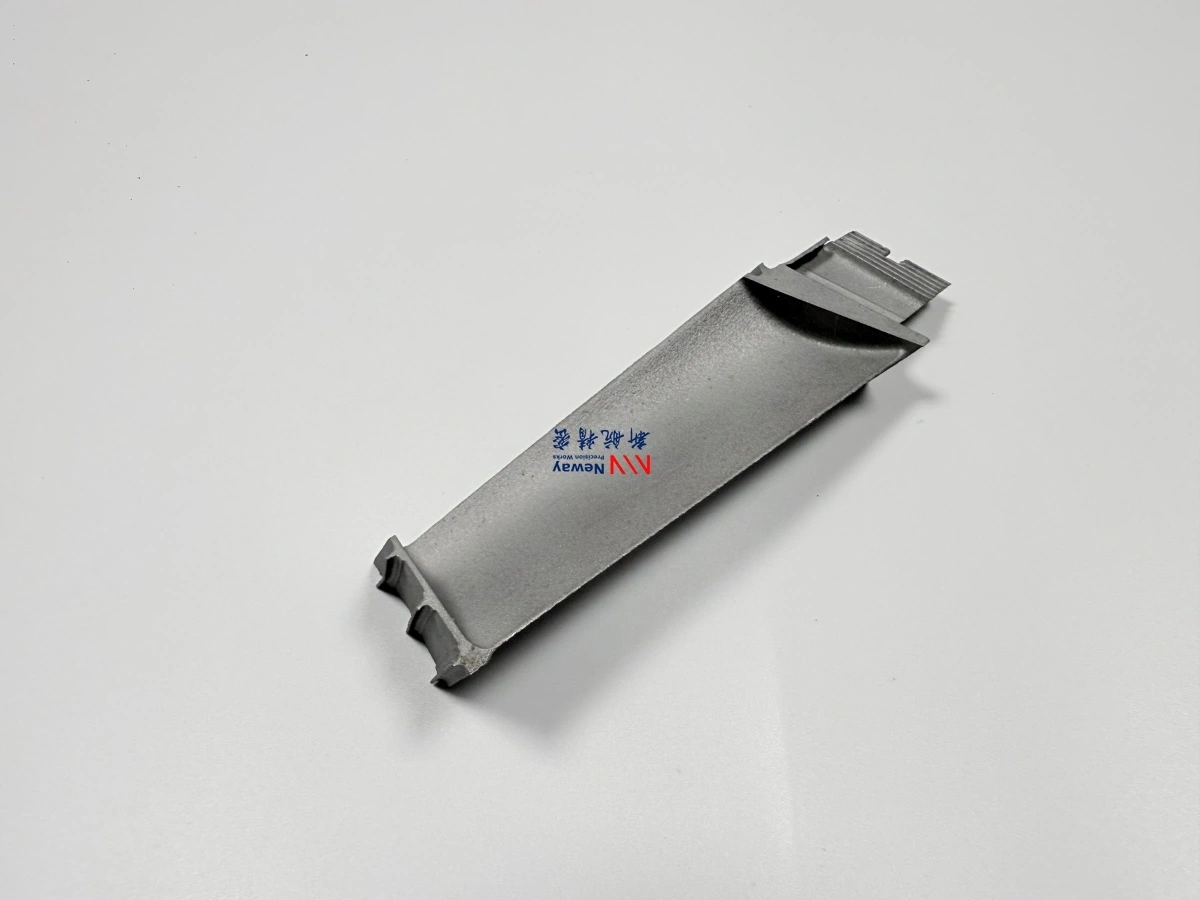
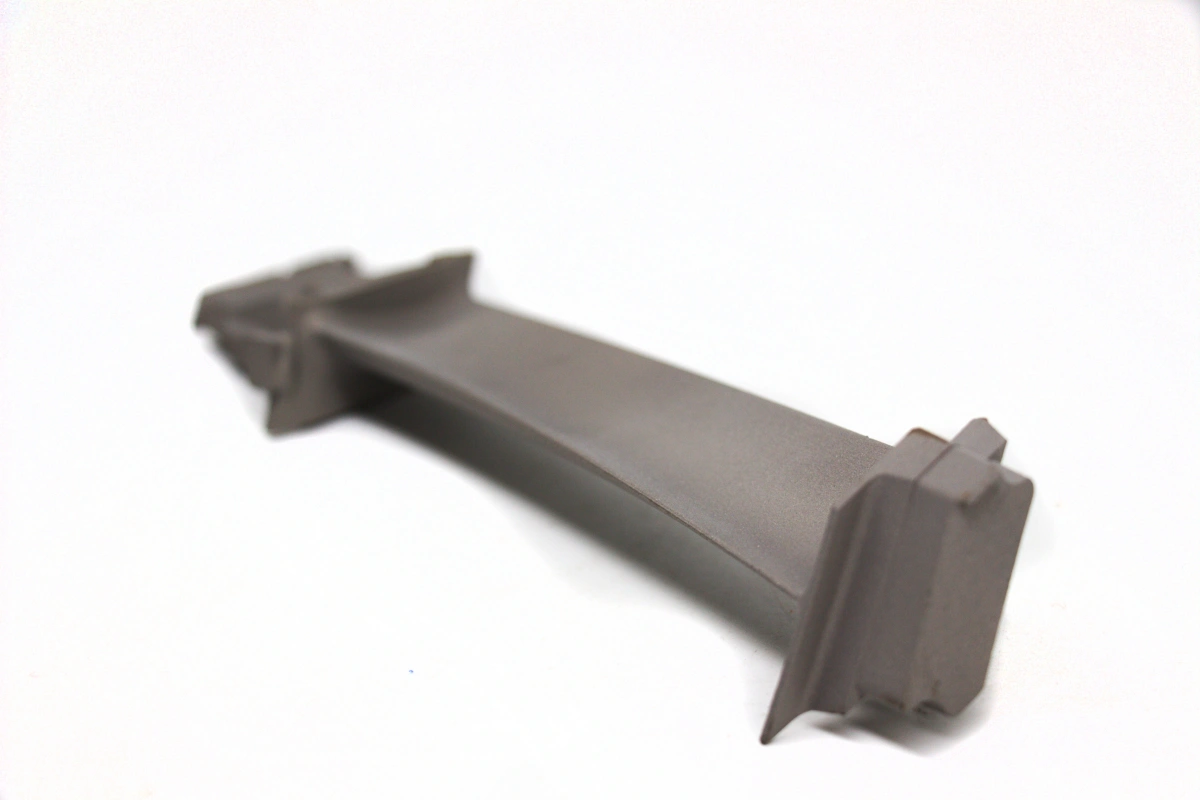
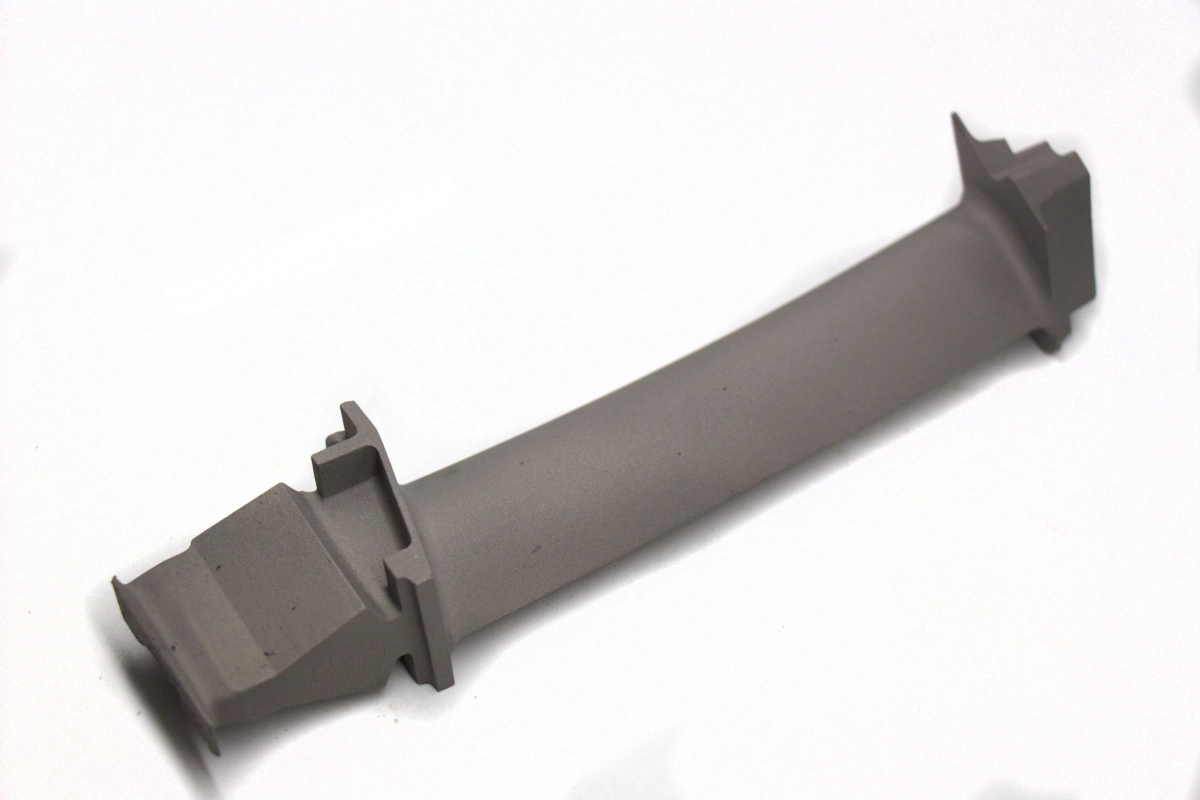
The performance of exhaust system components is directly influenced by the manufacturing process. Processes such as vacuum investment casting and superalloy precision forging ensure uniform microstructures, reducing porosity and internal defects. These methods produce parts that can maintain their shape and mechanical strength under rapid thermal cycling—an essential property for exhaust manifolds and turbocharger housings operating at temperatures exceeding 900°C.
Components produced via precision forging exhibit superior grain alignment, improving fatigue life and resistance to thermal cracking. Meanwhile, investment casting enables the creation of complex geometries and thin-walled sections, helping to reduce overall weight without compromising durability.
Material Processing and Surface Optimization
The post-manufacturing stages are just as critical. Treatments such as superalloy heat treatment and hot isostatic pressing (HIP) enhance density and eliminate microscopic voids, thereby improving creep resistance and extending component life. In high-performance systems, thermal barrier coating (TBC) protects parts from oxidation and heat corrosion, ensuring the longevity of turbine inlets and exhaust collectors.
Processes such as superalloy CNC machining and superalloy welding provide the precise dimensional control required for exhaust flanges and joining assemblies, minimizing gas leakage and optimizing flow efficiency. These surface and structural refinements collectively determine performance stability under dynamic engine loads.
Influence of Material Choice and Process Compatibility
Each manufacturing process must be matched with the correct alloy to achieve the desired performance. Nickel-based alloys, such as Inconel 625 and Hastelloy X, require precise temperature control during forging or casting to maintain microstructural integrity. Titanium alloys such as Ti-6Al-4V and Ti-3Al-2.5Sn benefit from additive processes like superalloy 3D printing, which enable lightweight, high-strength designs for aerospace exhaust systems.
Incorrect process selection can lead to grain coarsening, residual stress, or poor surface finish—all of which reduce heat resistance and efficiency. Proper integration of forming and finishing processes ensures that the component maintains balanced mechanical and thermal properties throughout.
Industrial Impact and Application
In the automotive, aerospace and aviation, and power generation industries, exhaust component performance determines system efficiency and emissions compliance. High-precision manufacturing methods enable parts to maintain stable performance under varying conditions, including vibration, corrosion, and temperature fluctuations, thereby meeting stringent global standards for durability and reliability.
Conclusion
The manufacturing process defines not only the geometry and finish of an exhaust component but also its mechanical resilience, corrosion resistance, and thermal performance. Through precision casting, forging, post-processing, and surface treatment, manufacturers achieve an optimal balance between strength, efficiency, and longevity—key factors in high-performance and industrial exhaust systems.