What role does rapid prototyping play in manufacturing exhaust system components?
Accelerating Design Validation and Functional Testing
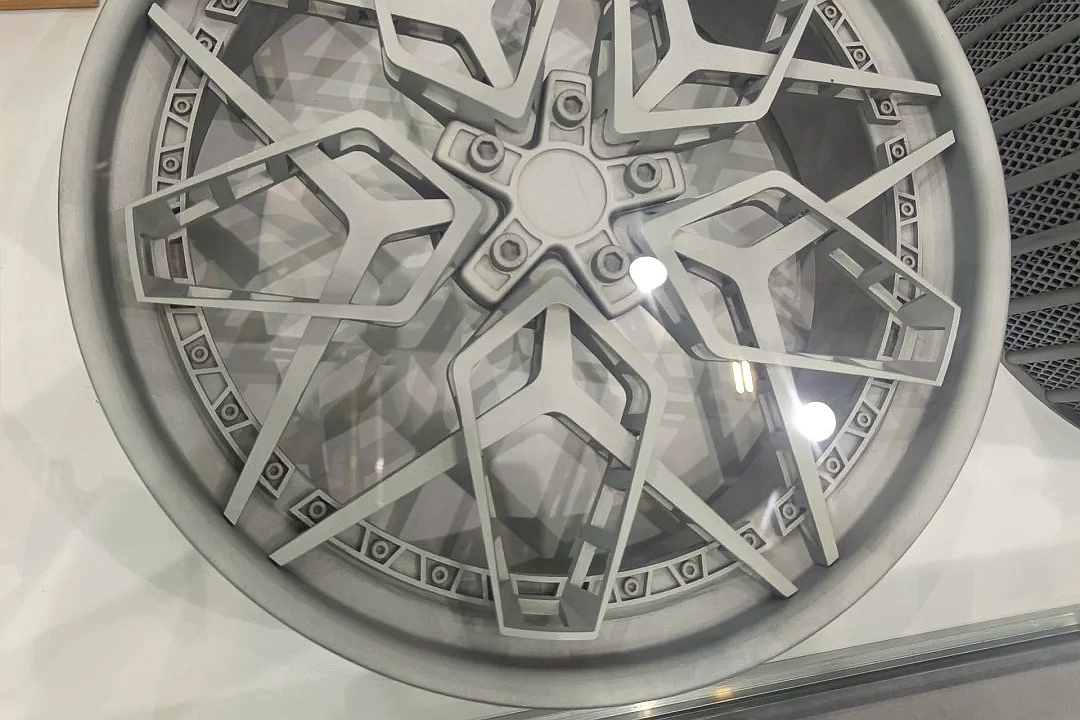
Rapid prototyping has revolutionized the development and optimization of exhaust system components. Using advanced technologies such as 3D printing services, engineers can quickly produce accurate prototypes for fit, form, and functional evaluation before committing to full-scale production. This approach shortens development cycles, enabling faster iterations and validation of complex exhaust geometries that are challenging to achieve through traditional manufacturing methods.
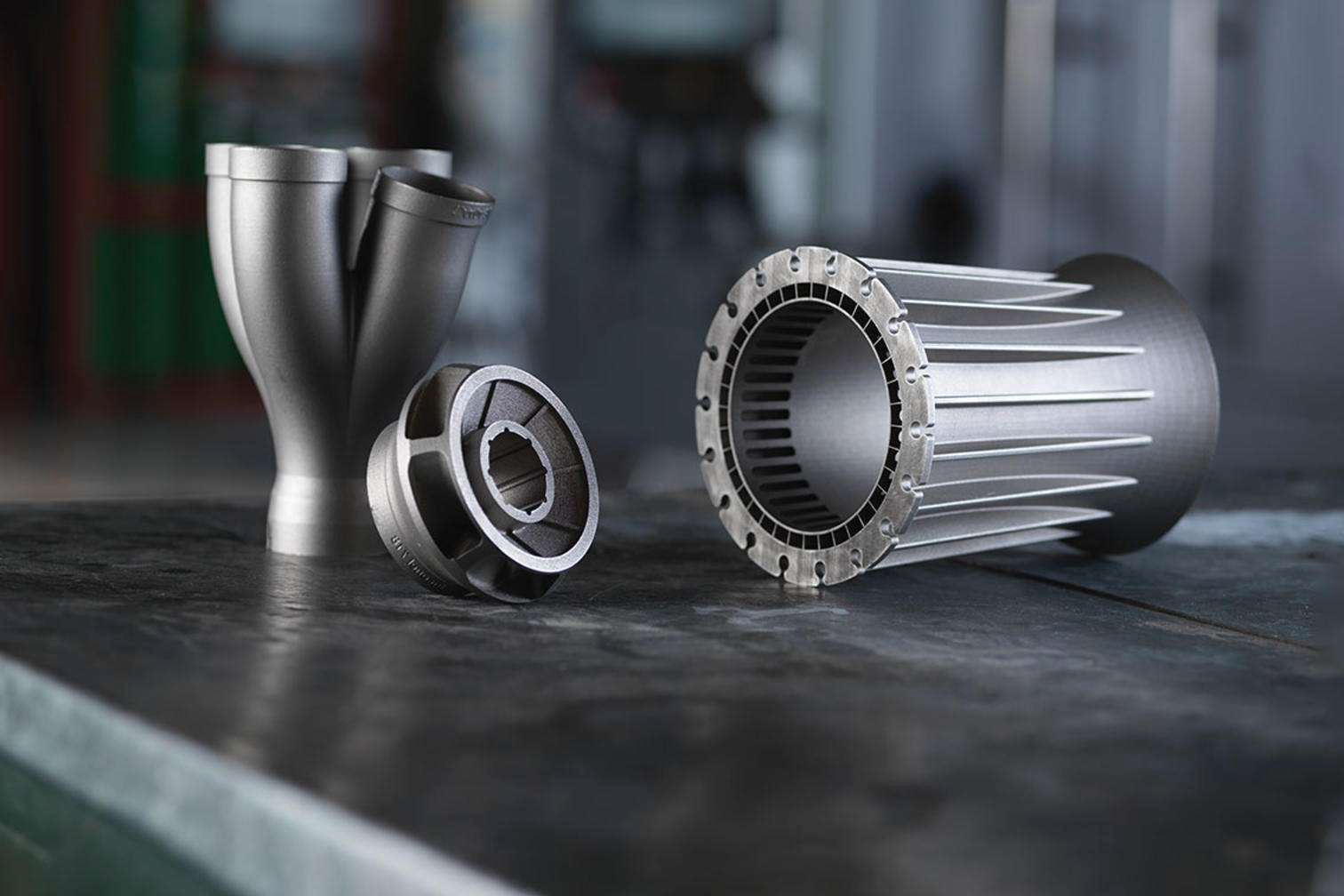
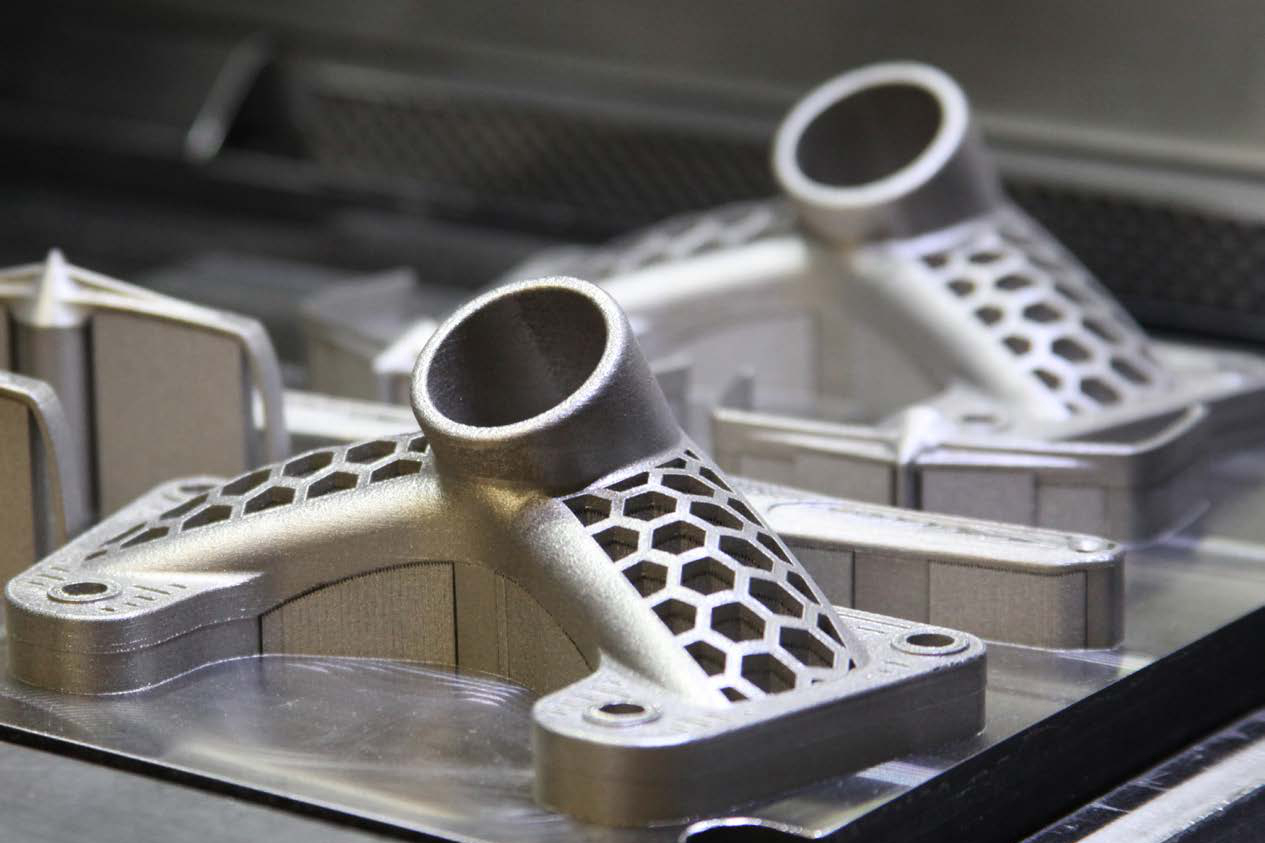
Metal-based prototyping, particularly with stainless steel 3D printing and aluminum 3D printing, enables the creation of realistic exhaust manifolds and turbo housings that can withstand preliminary thermal and flow testing. Such prototypes help designers optimize gas flow paths and identify structural weaknesses early, reducing costly redesigns later in production.
Enhancing Material and Process Development
Rapid prototyping facilitates experimentation with various materials, including Inconel 625, Hastelloy X, and Ti-6Al-4V. With superalloy 3D printing, engineers can analyze how these high-temperature materials perform under thermal loads typical of exhaust systems. By leveraging additive manufacturing, prototypes can be fabricated with controlled porosity and complex internal channels, allowing for more efficient heat dissipation and reduced back pressure in the exhaust flow.
Furthermore, polymer-based methods, such as plastic 3D printing, are used for early design studies, ergonomic testing, and aerodynamic analysis. These lightweight prototypes are ideal for use in simulation environments and as design mockups before metal versions are produced.
Integrating Prototyping with Post-Processing and Testing
After printing, post-processing techniques such as hot isostatic pressing (HIP) and superalloy heat treatment can be applied to enhance density and mechanical strength. These treatments allow the prototype to simulate end-use conditions accurately, ensuring it performs similarly to production-grade components.
In industries such as automotive, aerospace, aviation, and energy, rapid prototyping bridges the gap between digital design and manufacturing validation. This reduces lead times for new exhaust designs, supports material qualification, and accelerates the certification process for performance-critical parts.
Supporting Customization and Low-Volume Production
Another major advantage of rapid prototyping is its flexibility for producing customized or low-volume exhausts. Complex designs, such as lightweight titanium or Inconel exhaust systems, can be directly additively manufactured without the need for expensive tooling. This adaptability allows quick response to bespoke automotive or aerospace applications where precision, weight optimization, and heat resistance are paramount.
Conclusion
Rapid prototyping plays a crucial role in modern exhaust system manufacturing by enabling faster design validation, material innovation, and low-volume production. Through the combination of metal and polymer additive technologies with advanced post-processing, manufacturers can achieve shorter development cycles, enhanced performance testing, and improved design flexibility—all vital for next-generation automotive and aerospace exhaust solutions.