What Materials Are Most Commonly Used in HRS Production?
Understanding HRS Production Requirements
Hot-rolled steel (HRS) production demands materials that can withstand high-temperature deformation while maintaining mechanical integrity, surface quality, and dimensional accuracy. The process involves heating metal slabs above their recrystallization temperature (typically 1100–1250°C) before rolling, which improves ductility and formability. Therefore, the materials selected for HRS production must combine strength, oxidation resistance, and thermal stability.
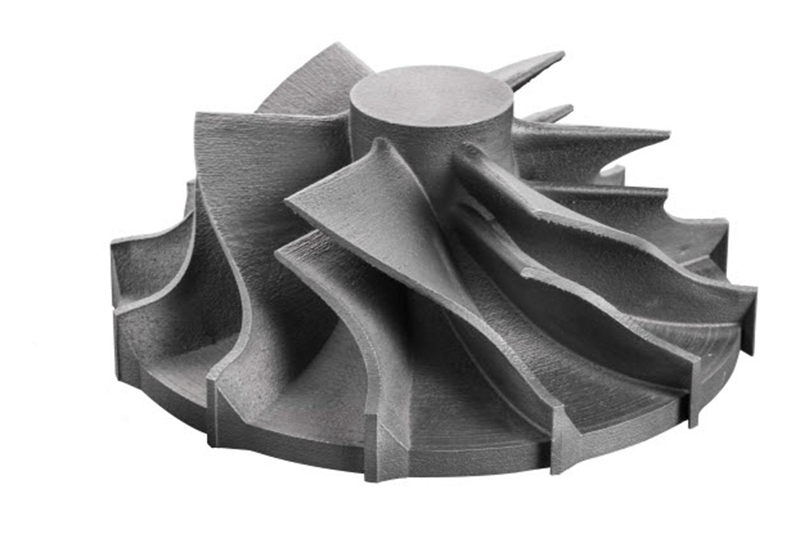
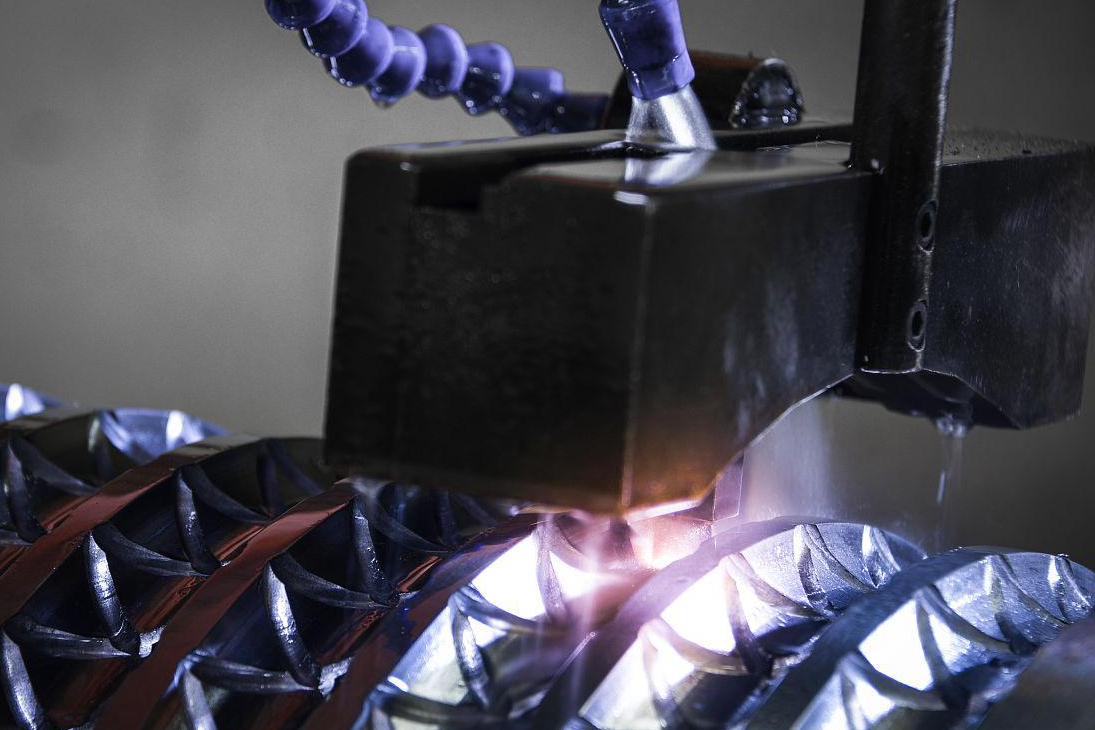
Manufacturers often rely on advanced alloys and steels developed through specialized alloy casting and precision forming techniques, such as superalloy precision forging, to achieve a consistent grain structure and a superior surface finish for industrial-grade HRS products.
Carbon and Low-Alloy Steels
The foundation of most HRS applications is based on carbon steel grades. Medium- and low-carbon steels offer excellent formability and weldability, making them suitable for structural components, automotive frames, and pressure vessels. Materials such as casting steels offer a balance between strength and cost efficiency, particularly in large-scale manufacturing.
In high-performance applications, low-alloy steels with added chromium, molybdenum, or vanadium improve hardenability and fatigue strength. These alloys are frequently used in turbine shafts, gears, and pressure pipelines where superior heat tolerance is required.
Nickel- and Cobalt-Based Superalloys
For specialized HRS production in energy, aerospace, and nuclear industries, superalloys play a crucial role. Inconel 718, Hastelloy X, and Rene 80 are used when high strength and oxidation resistance at elevated temperatures are essential. These materials maintain structural stability above 700°C and resist thermal fatigue, enabling long-term reliability in hot rolling mill components such as rollers, mandrels, and furnace fixtures.
Similarly, Stellite 6 cobalt-based alloys are employed for wear-resistant parts that experience severe mechanical and thermal stress during hot deformation.
Stainless and Heat-Resistant Steels
Stainless steels, such as 304 and 316L, are frequently used in HRS equipment exposed to oxidizing atmospheres. Their chromium and nickel content provides excellent corrosion and scale resistance, ensuring extended tool life and minimal downtime in continuous rolling operations. For even higher performance, Hastelloy C-22 and Nimonic 90 are used in heating elements and mechanical assemblies that endure cyclic thermal shock.
Application Across Industries
In the energy sector and automotive industry, HRS materials support the manufacturing of turbines, chassis frames, and powertrain components. In nuclear systems, superalloys are utilized to manufacture high-strength containment and pressure parts that must withstand radiation and heat-induced creep.
Conclusion
The most common materials used in HRS production range from carbon and alloy steels to high-temperature superalloys. By combining vacuum investment casting and precision forging with advanced heat treatment, manufacturers achieve the balance of strength, durability, and thermal resistance needed for demanding industrial environments.