What are heat exchanger fixtures, and why are they important in manufacturing?
Definition and Function
Heat exchanger fixtures are specialized assemblies or supporting structures used to hold, align, and stabilize heat exchanger components—such as tubes, plates, fins, and shells—during manufacturing, welding, brazing, or inspection. Their primary role is to maintain precise geometry, alignment, and dimensional accuracy throughout high-temperature processing and cooling cycles.
In applications like vacuum investment casting, superalloy welding, or hot isostatic pressing (HIP), fixtures prevent distortion caused by thermal stress and gravity. By securing components within strict tolerances, they ensure uniform heat distribution and proper material bonding, which are critical for the integrity of high-efficiency heat exchangers used in aerospace, power generation, and chemical industries.
Importance in Precision Manufacturing
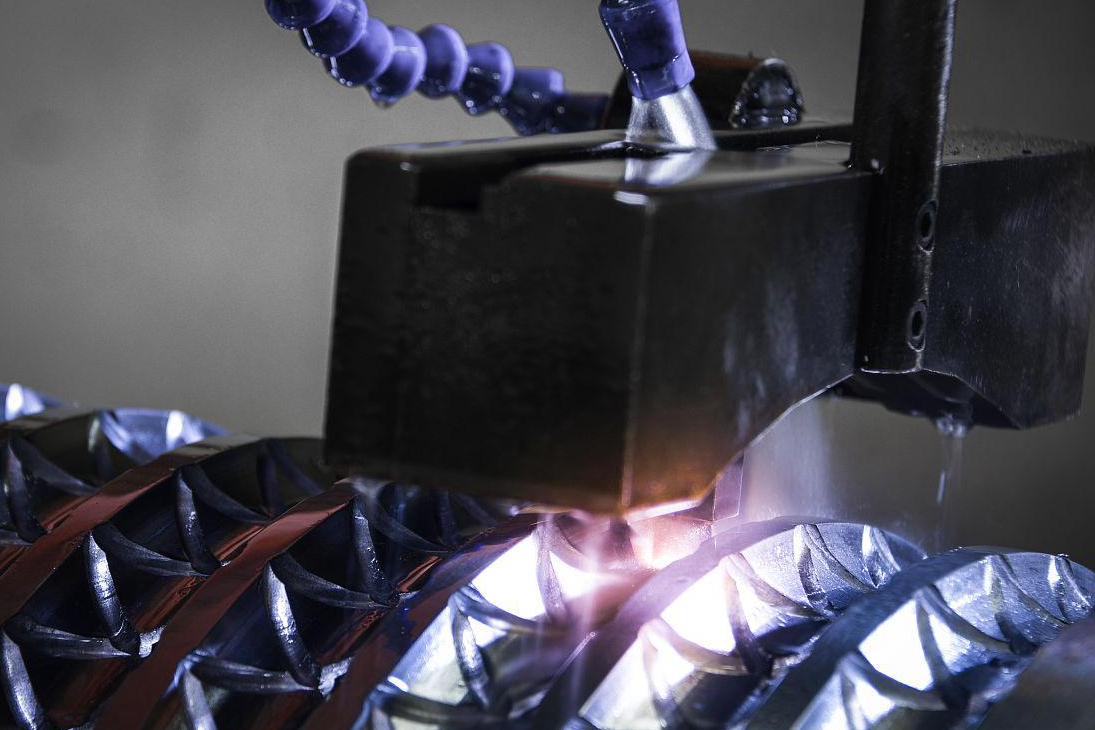
The structural performance and efficiency of heat exchangers depend heavily on accurate alignment and joint integrity. Fixtures guarantee repeatable precision, which is vital during fabrication steps such as tube-to-header welding or diffusion bonding of plate-fin cores. When used with materials such as Inconel 625, Hastelloy C-276, or Titanium Ti-6Al-4V, fixtures minimize warping and residual stress during high-temperature welding, enabling reliable thermal and mechanical performance under extreme operating conditions.
In the energy, oil, and gas industries, fixtures ensure that brazed or welded joints can withstand high pressures, corrosive fluids, and rapid thermal cycling without leakage or structural degradation.
Integration with Advanced Processes
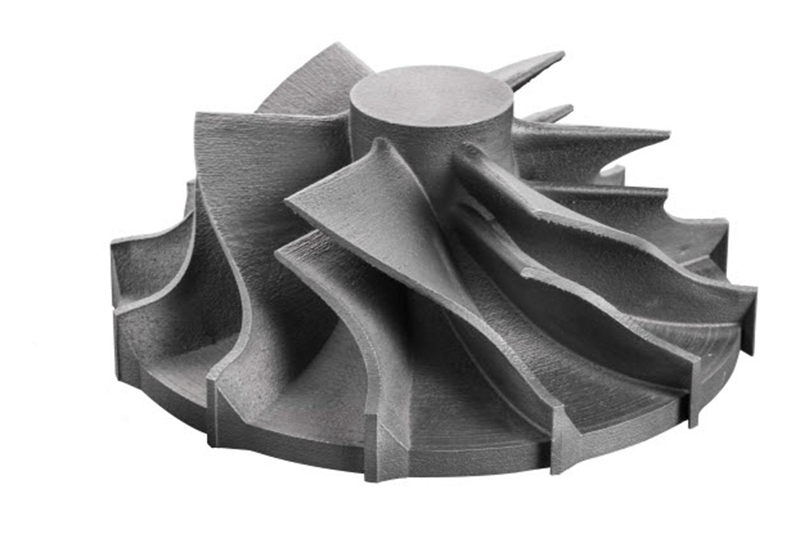
Modern fixture design supports automation and multi-axis positioning for robotic superalloy CNC machining and inspection. Fixtures can also be fabricated through additive manufacturing using high-temperature materials, such as stainless steel 17-4 PH or Inconel 718, which offers improved thermal stability and reusability.
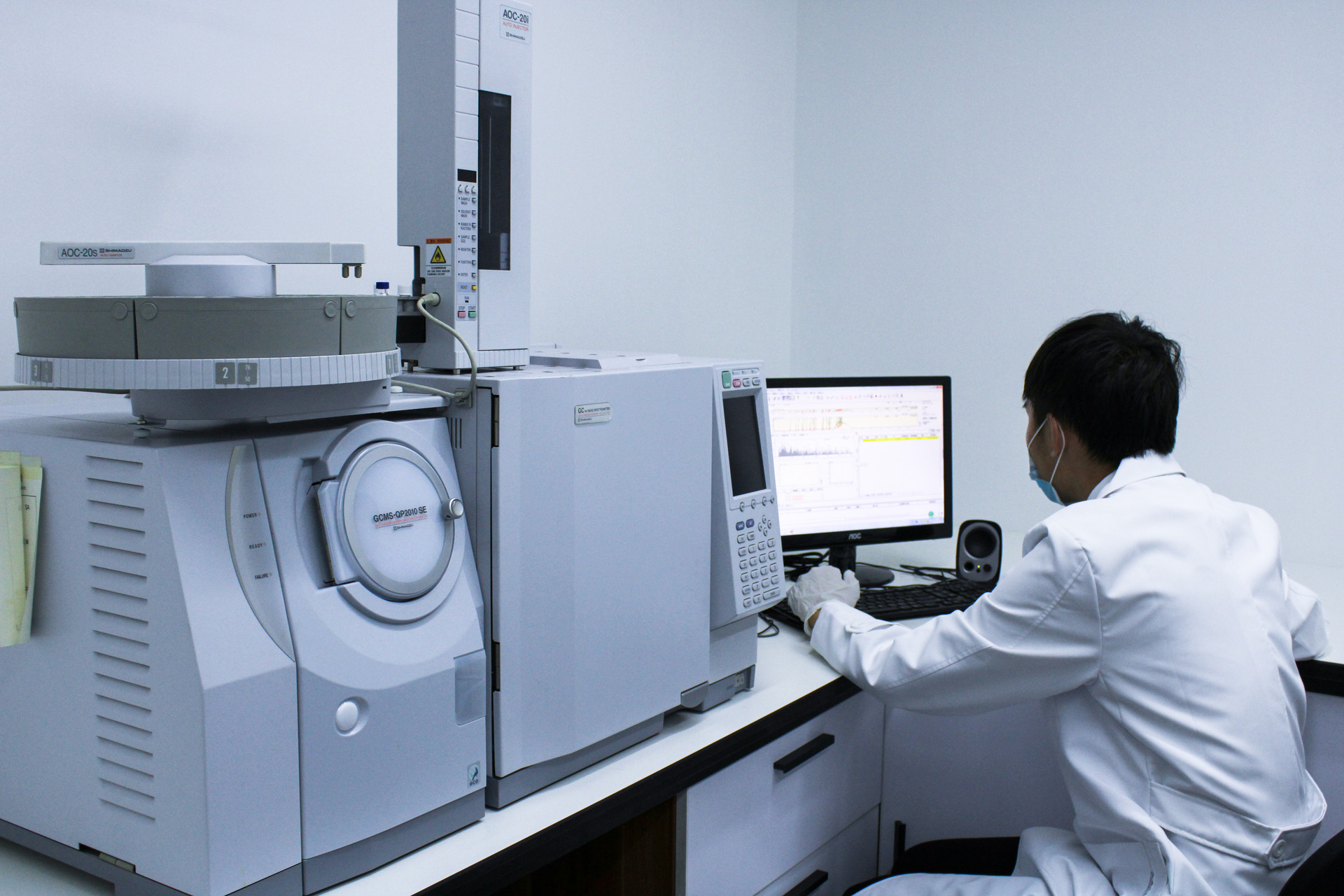
Post-processing steps, such as heat treatment, material testing, and analysis, validate fixture integrity, ensuring they remain dimensionally stable and chemically inert when exposed to vacuum furnaces or inert-gas atmospheres.
Contribution to Product Quality and Efficiency
Using precisely engineered fixtures yields higher repeatability, shorter cycle times, and lower scrap rates. They enable consistent thermal performance and structural durability across batches of heat exchangers, directly influencing the efficiency and reliability of turbines, compressors, and chemical reactors. In the aerospace and aviation, as well as power generation sectors, this translates to improved operational safety and extended component life.
Fixtures thus serve as the foundation of quality control and process stability in heat exchanger manufacturing, ensuring every brazed or welded joint performs as designed under demanding industrial conditions.