How Do Surface Treatments Improve the Lifespan of HRS?
The Role of Surface Engineering in Heat Recovery Segments
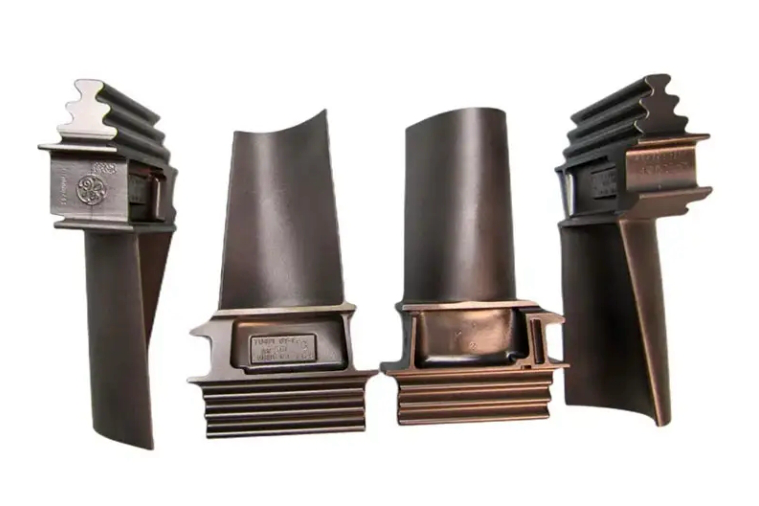
Heat Recovery Segments (HRS) operate under extreme conditions where oxidation, corrosion, and thermal fatigue can quickly degrade component performance. To extend service life, surface treatment technologies are applied after the base manufacturing process—often following vacuum investment casting or superalloy equiaxed crystal casting—to enhance resistance against wear and environmental stress. These methods create protective barriers that stabilize the surface in high-temperature and corrosive atmospheres.
For turbine and energy system parts, surface quality has a direct impact on heat exchange efficiency and overall system reliability. In high-stress sectors such as power generation, aerospace, and aviation, precise and consistent surface treatments are crucial for extending operational life and maintaining design integrity.
Common Surface Treatments for Superalloy Components
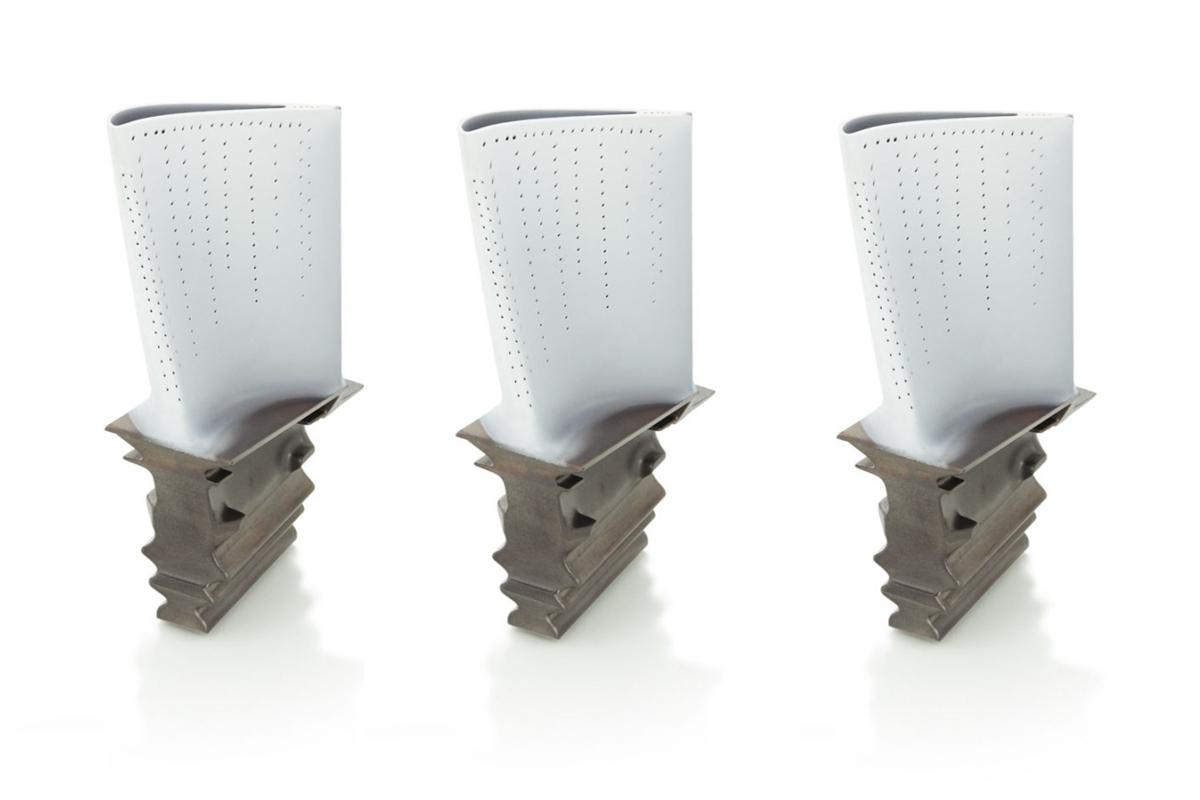
After casting and machining, HRS components undergo post-processing operations like hot isostatic pressing (HIP) and heat treatment to relieve internal stress and densify the structure. These steps prepare the material for advanced coatings, such as thermal barrier coatings (TBCs), which significantly reduce the substrate’s exposure to thermal loads.
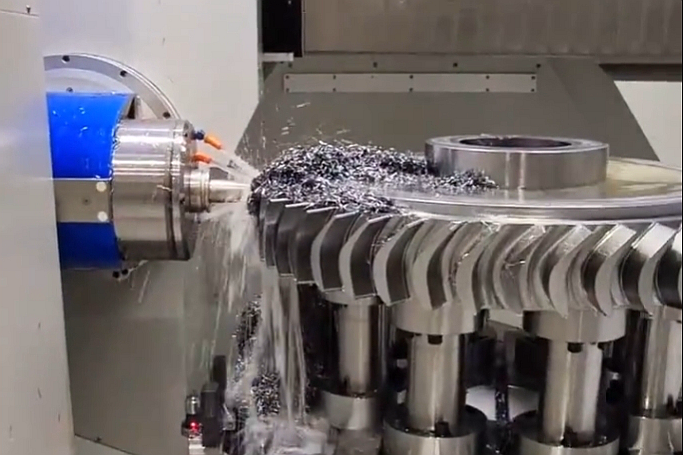
TBC layers—typically consisting of ceramic materials—are applied to superalloy bases, such as Inconel 738LC or Rene N5, offering superior oxidation and corrosion resistance. Additionally, surface finishing through superalloy CNC machining ensures smoothness and dimensional precision, which are crucial for maintaining laminar airflow and efficient heat transfer.
Advanced Coating Technologies and Their Benefits
For components exposed to fluctuating thermal cycles, advanced coatings minimize the initiation of cracks and slow the diffusion of oxygen and contaminants. In the oil and gas and nuclear industries, corrosion-resistant coatings based on alloys such as Hastelloy C-22HS or Stellite 6B are commonly employed to ensure chemical stability and mechanical endurance.
Additionally, material testing and analysis verify coating adhesion, microhardness, and surface roughness to guarantee that treatment processes meet aerospace-grade requirements. When properly integrated, these surface treatments can multiply HRS service life by mitigating oxidation and mechanical fatigue.
Industry Application and Performance Results
For energy and marine systems, combining advanced superalloys like Nimonic 105 with high-performance coatings ensures prolonged resistance to salt exposure, moisture, and thermal cycling. The synergy between alloy composition and surface treatment ultimately leads to reduced maintenance cycles and higher operational efficiency throughout the product lifespan.