
Oficina de Soldagem de Peças Fundidas por Investimento a Vácuo em Liga de Titânio
Soldagem Avançada para Componentes de Titânio Fundidos de Precisão
Peças de liga de titânio produzidas por fundição por investimento a vácuo oferecem altas relações resistência-peso, resistência à corrosão e estabilidade térmica, tornando-as ideais para as indústrias aeroespacial, médica e química. No entanto, a soldagem de fundições de titânio requer uma atmosfera inerte, preparação limpa da superfície e controle térmico preciso para evitar contaminação, fragilização ou distorção.
A Neway AeroTech opera uma oficina de soldagem de superligas dedicada, otimizada para fundições de ligas de titânio. Nossa instalação está equipada para soldagem TIG, a laser e por arco de plasma de componentes fundidos de precisão, como suportes, carcaças de turbina, caixas de pressão e estruturas ortopédicas, utilizando ligas como Ti-6Al-4V e Ti-6Al-4V ELI.
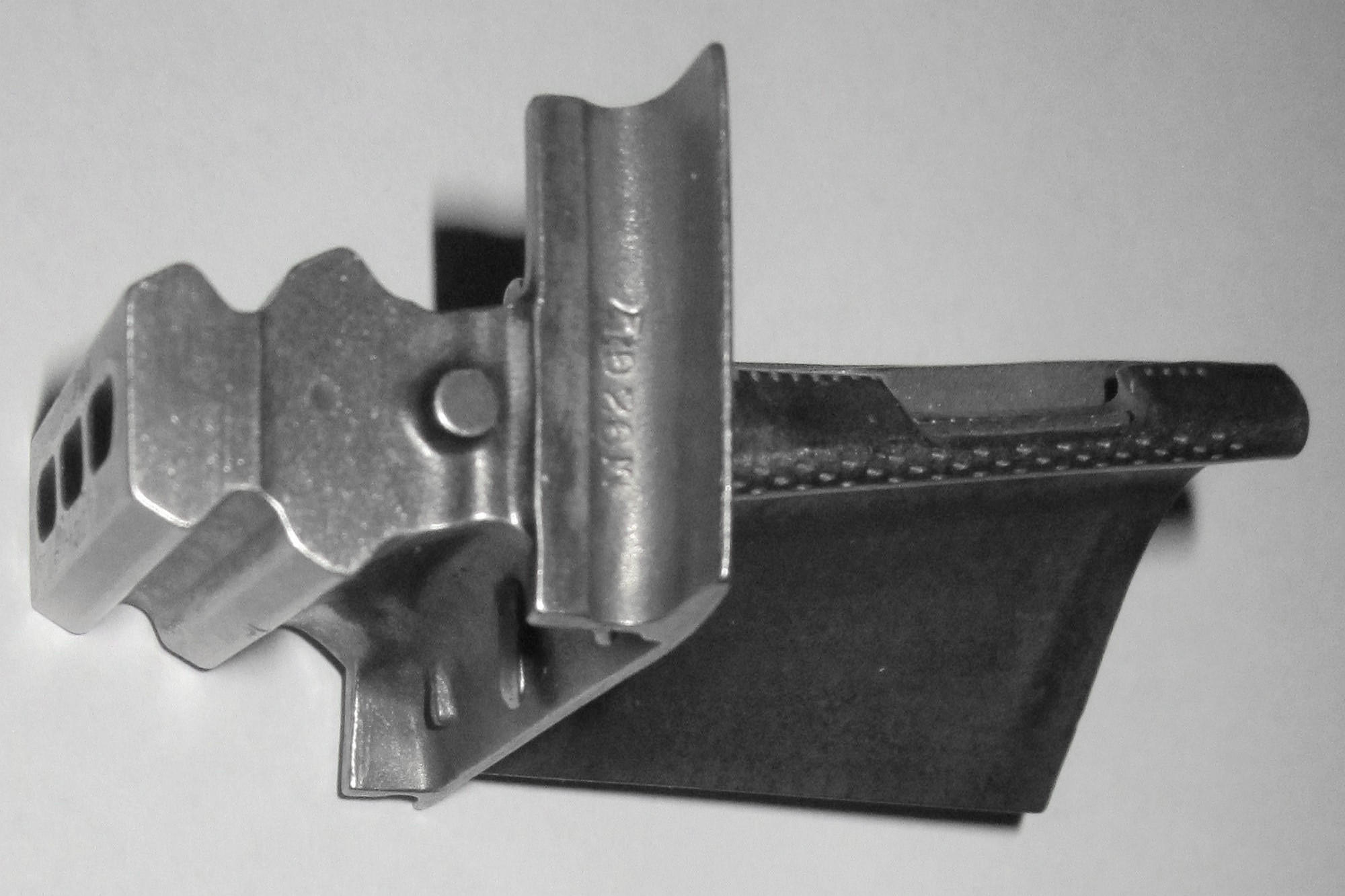
Principais Capacidades de Soldagem para Fundições de Liga de Titânio
A soldagem de titânio requer ambientes ultra-limpos, entrada de calor consistente e ajuste preciso das juntas. A Neway AeroTech garante a integridade através de:
Câmaras de soldagem com atmosfera inerte de argônio para soldas TIG e a laser livres de oxidação
Soldagem TIG utilizando varetas de adição compatíveis com o grau de titânio
Soldagem a laser para união de paredes finas com zona afetada pelo calor mínima
Alívio de tensões pós-soldagem e polimento
Nosso processo adere aos padrões de qualidade AWS D17.1, AMS 2817 e ASTM F136.
Ligas de Titânio Comumente Soldadas
Liga | Temp. Máx. (°C) | Limite de Escoamento (MPa) | Aplicações |
|---|---|---|---|
400 | 880 | Suportes aeroespaciais, carcaças de turbina | |
400 | 860 | Implantes ortopédicos, montagens de precisão | |
350 | 620 | Montagens tubulares, tubos médicos | |
540 | 930 | Caixas de alta pressão, estruturas de motores a jato |
Estes graus são selecionados pela soldabilidade, resistência à corrosão e biocompatibilidade.
Estudo de Caso: Soldagem a Laser de Componente Ortopédico em Ti-6Al-4V ELI
Contexto do Projeto
Um cliente biomédico necessitava de soldagem de costura precisa para componentes de implante espinhal em Ti-6Al-4V ELI. As soldas foram realizadas em câmara inerte utilizando laser pulsado para controle fino. Após o tratamento térmico de alívio de tensões, a inspeção por MEV e raios-X confirmou a uniformidade da microestrutura e juntas livres de porosidade.
Aplicações e Indústrias Típicas de Peças Soldadas de Titânio
Componente | Tipo de Solda | Liga | Indústria |
|---|---|---|---|
Suporte Aeroespacial | Solda TIG, 2 passes | Ti-6Al-4V | |
Implante Espinhal | Solda de costura a laser | Ti-6Al-4V ELI | |
Carcaça de Turbina | Solda TIG de raiz e preenchimento | Ti-6Al-2Sn-4Zr-6Mo | |
Caixa de Pressão | Solda keyhole por plasma | Ti-3Al-2.5Sn |
Todas as montagens soldadas são validadas quanto à fadiga, tensão e integridade da superfície.
Desafios na Soldagem de Fundições de Liga de Titânio
Contaminação atmosférica leva à formação de camada alfa e fragilização
Iniciação de trincas devido a gradientes térmicos em seções espessas
Oxidação do cordão de solda proveniente de gases de proteção de baixa pureza
Fusão deficiente na raiz sem ajuste apertado da junta
Riscos de porosidade provenientes de contaminação por hidrogênio e material de adição inadequado
Soluções Certificadas de Soldagem e Processamento Pós-Soldagem
Soldagem em luvas ou câmaras seladas para máxima cobertura de gás inerte
Sistemas de purga traseira com argônio para cobertura total da solda
**Alívio de tensões pós-soldagem a 600–650°C para Ti-6Al-4V
Passivação de superfície e limpeza ultrassônica para remover oxidação
**HIP opcional para componentes de grau estrutural
Resultados e Verificação
Execução da Soldagem
As juntas foram soldadas em condições livres de oxigênio utilizando TIG purgado com argônio e feixes de laser pulsado. A usinagem pré-soldagem foi verificada por MMC. O retífico e polimento pós-soldagem mantiveram as tolerâncias dentro de ±0,01 mm.
Tratamento Pós-Soldagem
As peças passaram por tratamento térmico para reduzir tensões residuais e melhorar a estrutura dos grãos. O HIP opcional removeu a porosidade subsuperficial. As superfícies foram passivadas e inspecionadas quanto à remoção de óxidos.
Inspeção
Raios-X e MEV confirmaram fusão completa e limites de grãos limpos. A MMC validou os alvos dimensionais pós-soldagem. Todas as peças passaram nos padrões de qualidade de solda ASTM F67 e AMS 4943.
Perguntas Frequentes (FAQs)
Quais métodos de proteção são utilizados para soldagem de titânio?
Componentes de titânio fundido podem ser soldados a laser?
Qual tratamento térmico é aplicado após a soldagem?
Como a contaminação da solda é prevenida em peças de titânio?
Quais indústrias mais se beneficiam dos serviços de soldagem de titânio?
