
Ti-5Al-2.5Sn (Grau 6) Fundição por Cera Perdida de Componentes de Aeronaves de Alto Desempenho
Introdução
Ti-5Al-2.5Sn (Grau 6) é uma liga de titânio quase-alfa projetada para excelente soldabilidade, resistência moderada e notável resistência ao fluência em temperaturas de até 400°C. Em nossa fundição especializada em cera perdida, produzimos componentes de aeronaves de alto desempenho em Ti-5Al-2.5Sn com precisão dimensional de ±0,05 mm e níveis de porosidade abaixo de 1%, adaptados para suportar ambientes de serviço aeroespacial exigentes.
Nossas peças de titânio fundidas a vácuo são projetadas para integridade estrutural e resistência à fadiga em plataformas aeroespaciais críticas, incluindo estruturas de fuselagem, estruturas de motores a jato e hardware de controle de voo.
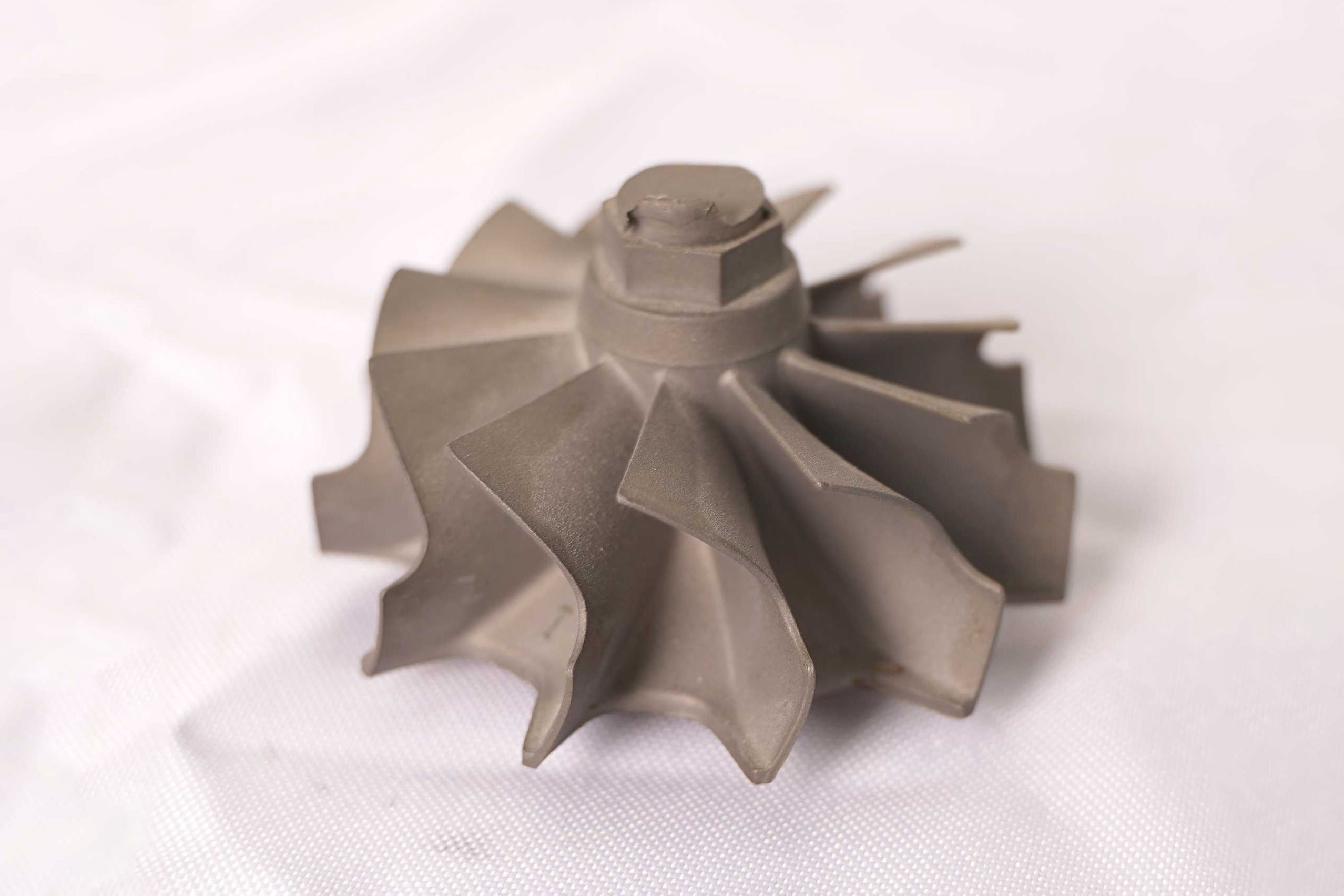
Tecnologia Central: Fundição por Cera Perdida de Ti-5Al-2.5Sn
Utilizamos fundição a vácuo por cera perdida para fundir componentes de Ti-5Al-2.5Sn em moldes de casca cerâmica (8–10 camadas). A liga é fundida e vazada a ~1650°C sob alto vácuo (<10⁻³ torr), com pré-aquecimento do molde a ~1000°C. A solidificação controlada (taxa de resfriamento: 30–70°C/min) garante estrutura de grãos equiaxiais (0,5–2 mm) e elimina a formação de camada alfa em superfícies críticas.
Características do Material da Liga Ti-5Al-2.5Sn
Ti-5Al-2.5Sn (Grau 6) é uma liga de titânio quase-alfa com alta resistência específica, baixa densidade e excelente estabilidade térmica. É amplamente utilizada em estruturas de aeronaves onde são necessárias confiabilidade mecânica e resistência à temperatura. As principais propriedades incluem:
Propriedade | Valor |
|---|---|
Densidade | 4,48 g/cm³ |
Resistência à Tração Máxima | ≥860 MPa |
Limite de Escoamento | ≥790 MPa |
Alongamento | ≥12% |
Limite de Temperatura de Operação | ~400°C |
Resistência ao Fluência | Excelente |
Soldabilidade | Excelente |
Sua resistência ao fluência e estabilidade à oxidação tornam o Ti-5Al-2.5Sn ideal para estruturas aeroespaciais primárias e secundárias operando em temperaturas elevadas.
Estudo de Caso: Produção de Componentes de Aeronave em Ti-5Al-2.5Sn
Contexto do Projeto
Um fornecedor Tier-1 aeroespacial necessitava de componentes fundidos leves e termicamente estáveis para um conjunto de montagem de motor de UAV de alta altitude. Ti-5Al-2.5Sn foi selecionado por sua soldabilidade superior, desempenho em temperatura elevada e integridade estrutural. Nossa fundição entregou peças fundidas a vácuo em conformidade com os padrões AMS 4911 e ISO 9001, com porosidade pós-HIP <1% e planicidade superficial dentro de ±0,05 mm.
Aplicações Típicas em Aeronaves de Alto Desempenho
Conjuntos de Montagem de Motor a Jato: Peças fundidas em Ti-5Al-2.5Sn usadas em braçadeiras e suportes de estrutura de empuxo devido à sua alta resistência à fadiga e soldabilidade.
Acoplamentos de Anteparo de Pressão da Cabine: Componentes estruturais de fundição de precisão que mantêm a integridade sob flutuações de pressão e temperatura em altitude.
Suportes de Dutos do Sistema de Controle Ambiental (ECS): Suportes e grampos fundidos expostos a ambientes de fluxo de ar aquecido que requerem estabilidade à oxidação e resistência moderada ao fluência.
Alojamentos de Transmissão de Aeronaves de Rotor: Inclui suportes e suportes leves capazes de operação de longo prazo próximo a 400°C sob carga vibratória.
Esses componentes suportam estabilidade térmica, redução de peso e resistência à fadiga em plataformas aeroespaciais avançadas.
Soluções de Fabricação de Componentes de Aeronave
Processo de Fundição Modelos de cera de alta pureza são investidos em cascas cerâmicas e fundidos a vácuo a ~1650°C. O pré-aquecimento do molde e os parâmetros de resfriamento são estritamente controlados para evitar defeitos de retração e formação de camada alfa.
Pós-processamento Após a fundição, o Prensagem Isostática a Quente (HIP) a ~920°C e 100 MPa reduz a porosidade residual. O tratamento térmico de solubilização é aplicado para refino microestrutural e otimização das propriedades mecânicas.
Usinagem Final As características finais são usinadas usando equipamentos CNC para atingir tolerâncias apertadas em interfaces de montagem e superfícies de vedação. Para geometrias complexas e internos de paredes finas, EDM e furação profunda são usados para acesso às características.
Tratamento de Superfície Para melhorar a resistência à fadiga e à oxidação, as superfícies podem ser jateadas e passivadas. A anodização de titânio é aplicada opcionalmente para reduzir o desgaste em conjuntos deslizantes.
Testes e Inspeção Todas as peças são inspecionadas via END por Raios-X, varredura dimensional por MMC, testes de propriedades mecânicas e exame metalográfico para verificar distribuição de fases e controle de grãos.
Principais Desafios de Fabricação
Prevenir a formação de camada alfa e oxidação durante a fusão do titânio e remoção da casca.
Manter tolerâncias de ±0,05 mm em geometrias de suportes e flanges de paredes finas para aeroespacial.
Garantir resistência à fadiga de longo prazo sob ciclagem térmica a 300–400°C.
Resultados e Verificação
Precisão dimensional dentro de ±0,05 mm confirmada via análise 3D por MMC.
Porosidade <1% alcançada após HIP, verificada por inspeção radiográfica.
Resistência mecânica ≥860 MPa e alongamento ≥12% validados a 300°C.
Nenhuma transformação de fase ou degradação por oxidação após 1000 horas de exposição térmica.
Perguntas Frequentes
O que torna o Ti-5Al-2.5Sn adequado para fundições aeroespaciais de alta temperatura?
Como a formação da camada alfa é controlada durante o processo de fundição de titânio?
Quais acabamentos superficiais e revestimentos são recomendados para peças de Ti-5Al-2.5Sn?
Sua fundição pode produzir fundições aeroespaciais personalizadas para programas de aeronaves específicos?
Quais métodos de garantia de qualidade asseguram a conformidade de peças críticas para voo?
