
Serviço de Usinagem CNC para Peças de Perfuração de Canais Internos em Tubos de Superliga
Engenharia de Precisão de Fluxo de Fluidos em Ligas de Alta Temperatura
Em sistemas de energia avançados e propulsão aeroespacial, os canais internos em tubos de superliga são críticos para a entrega de refrigerante, equalização de pressão e redução de peso estrutural. Esses canais devem ser usinados com precisão dentro de geometrias complexas, frequentemente excedendo 15×D em profundidade, e operar sob temperaturas acima de 1000°C e pressões superiores a 500 bar.
Neway AeroTech fornece serviços de usinagem CNC e perfuração de furos profundos sob medida para peças de tubos de superliga, incluindo canais de fluido internos, recursos de perfuração cruzada e portas de refrigerante multi-eixo utilizando ligas como Inconel 625, Hastelloy X e Rene 41.
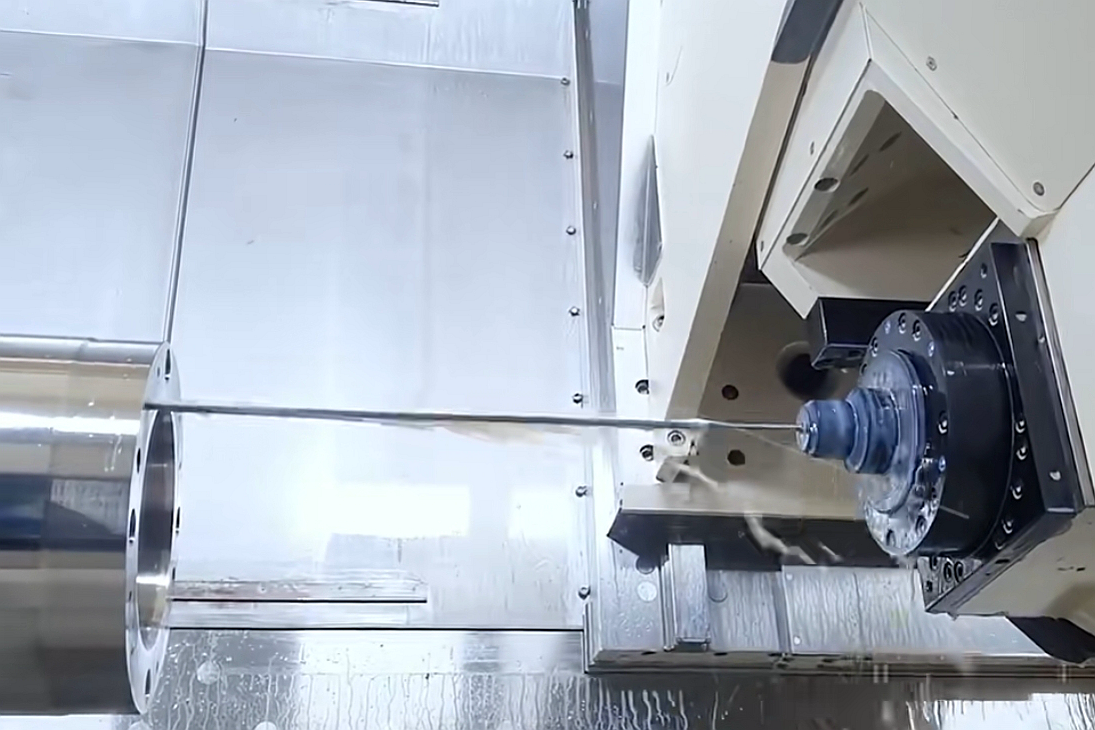
Tecnologia Central na Usinagem de Canais de Tubos de Superliga
A Neway AeroTech utiliza técnicas de CNC multi-eixo e EDM para criar canais internos com tolerâncias posicionais rigorosas e requisitos de qualidade de superfície.
Perfuração de furos profundos para furos >20×D
Perfuração cruzada e passagens interseccionadas para equalização de pressão
Fresamento CNC de 5 eixos para recursos de portas e alinhamento da face de entrada
Abertura de ranhuras por EDM para conexões através da parede de alta precisão
Esses processos garantem caminhos de fluxo uniformes, queda de pressão mínima e resistência à fadiga térmica em ambientes hostis.
Materiais Típicos de Superliga para Usinagem de Canais de Tubos
Liga | Temp Máx (°C) | Limite de Escoamento (MPa) | Principais Aplicações |
|---|---|---|---|
980 | 827 | Tubos de resfriamento, coletores de gás | |
1175 | 790 | Dutos de combustor, tubos de pressão | |
980 | 950 | Tubos de trocadores de calor, tubos de injeção | |
920 | 1265 | Linhas de combustível aeroespaciais |
Esses materiais são resistentes à corrosão, soldáveis e termicamente estáveis para geometrias de canais exigentes.
Estudo de Caso: Usinagem CNC de Tubo Inconel com Rede Interna de Refrigerante
Contexto do Projeto
Um cliente solicitou um tubo de Inconel 625 de alta pressão com dois canais de fluxo internos interseccionando a 30° e 90°, estendendo-se por mais de 600 mm. As tolerâncias incluíam concentricidade ≤ 0,008 mm, acabamento Ra 0,5 μm e fusão de canal cruzado verificada usando inspeção por raios-X.
Modelos Típicos de Componentes de Canal de Tubo e Aplicações
Modelo da Peça | Descrição | Material | Profundidade do Canal | Indústria |
|---|---|---|---|---|
FCP-450 | Tubo condutor de combustível com dois canais 22×D | Inconel 625 | 22×D | |
HXP-300 | Tubo Hastelloy com furos de resfriamento em espiral e saídas radiais | Hastelloy X | 16×D | |
RPC-600 | Tubo de pressão reforçado com quatro entradas anguladas e furos | Rene 41 | 18×D | |
NMF-320 | Tubo coletor Nimonic com micro-canais de furos cruzados | Nimonic 90 | 10×D |
Cada componente suporta gerenciamento térmico e transporte de fluidos sob condições operacionais extremas.
Desafios de Usinagem para Peças de Tubos de Superliga com Canal Interno
Convergência de canal multi-eixo requer precisão posicional de ±0,01 mm em todas as passagens
Afinamento da parede em furos interseccionados deve ser mantido >1,5 mm
Detecção de canal cruzado requer validação não destrutiva interna
Distorção térmica em tubos de parede fina deve ser controlada abaixo de 0,02 mm de planicidade
Acabamento superficial de Ra ≤ 0,5 μm é crítico para prevenir interrupção do fluxo
Soluções CNC para Perfuração e Canalização de Tubos
Sistemas de perfuração profunda (Gun drilling) e BTA para profundidades de canal superiores a 20×D com controle preciso do caminho da ferramenta
Mandrilamento angular com compensação de eixo rotativo para alinhar portas de entrada em contornos complexos de tubos
Limpeza pós-usinagem por EDM das junções para remover rebarbas e suavizar interseções
Tratamento térmico de alívio de tensão a 900–980°C para estabilidade dimensional
CMM e teste de raios-X para confirmar alinhamento e continuidade de furos passantes
Resultados e Verificação
Métodos de Fabricação
As peças foram feitas a partir de tarugos forjados a quente ou fundições por cera perdida a vácuo, depois usinadas usando sistemas CNC multi-eixo e perfuração de furos profundos. As brocas de perfuração profunda alcançaram diâmetros de canal entre 2–6 mm com controle de profundidade dentro de ±0,01 mm.
Acabamento de Precisão
Os furos interseccionados foram polidos para Ra 0,4 μm via refinamento por EDM. As portas rosqueadas foram fresadas para ajuste ISO 6g, e as superfícies de entrada mantiveram planicidade <,01 mm para garantir a integridade da vedação.
Pós-processamento
Cada peça passou por HIP seguido de tratamento térmico de alívio de tensão. Onde necessário, revestimentos TBC foram aplicados nas paredes externas, e a passivação garantiu resistência à corrosão pós-EDM.
Inspeção
O CMM confirmou a precisão da posição do canal dentro de ±0,006 mm. O Raio-X verificou a continuidade total do canal. O MEV validou a qualidade da borda do furo e confirmou que não havia trincas ou marcas de queima remanescentes.
Perguntas Frequentes (FAQs)
Qual é a profundidade máxima de canal alcançável em tubos de superliga?
Como você inspeciona furos internos interseccionados sem danificar a peça?
Canais angulares podem ser usinados com tolerâncias posicionais inferiores a 10 μm?
Quais materiais são melhores para aplicações de canais de tubos de alta temperatura?
Como os revestimentos e a passivação afetam a rugosidade e o fluxo do canal?
