
Fabricante de Componentes de Pás de Turbina em Stellite 12 por Fundição por Cera Perdida
Introdução
O Stellite 12 é uma liga à base de cobalto que exibe resistência superior ao desgaste e à corrosão, combinada com excepcional estabilidade térmica até 900°C. Aproveitando a precisa fundição por cera perdida (fundição por modelo perdido), nossa unidade de fabricação produz componentes de pás de turbina com tolerâncias dimensionais consistentes de ±0,1 mm, garantindo desempenho confiável sob condições operacionais extremas.
Utilizando tecnologias de fundição especializadas e protocolos rigorosos de qualidade, fornecemos pás de turbina Stellite 12 duráveis para aplicações exigentes nas indústrias de geração de energia e aeroespacial.
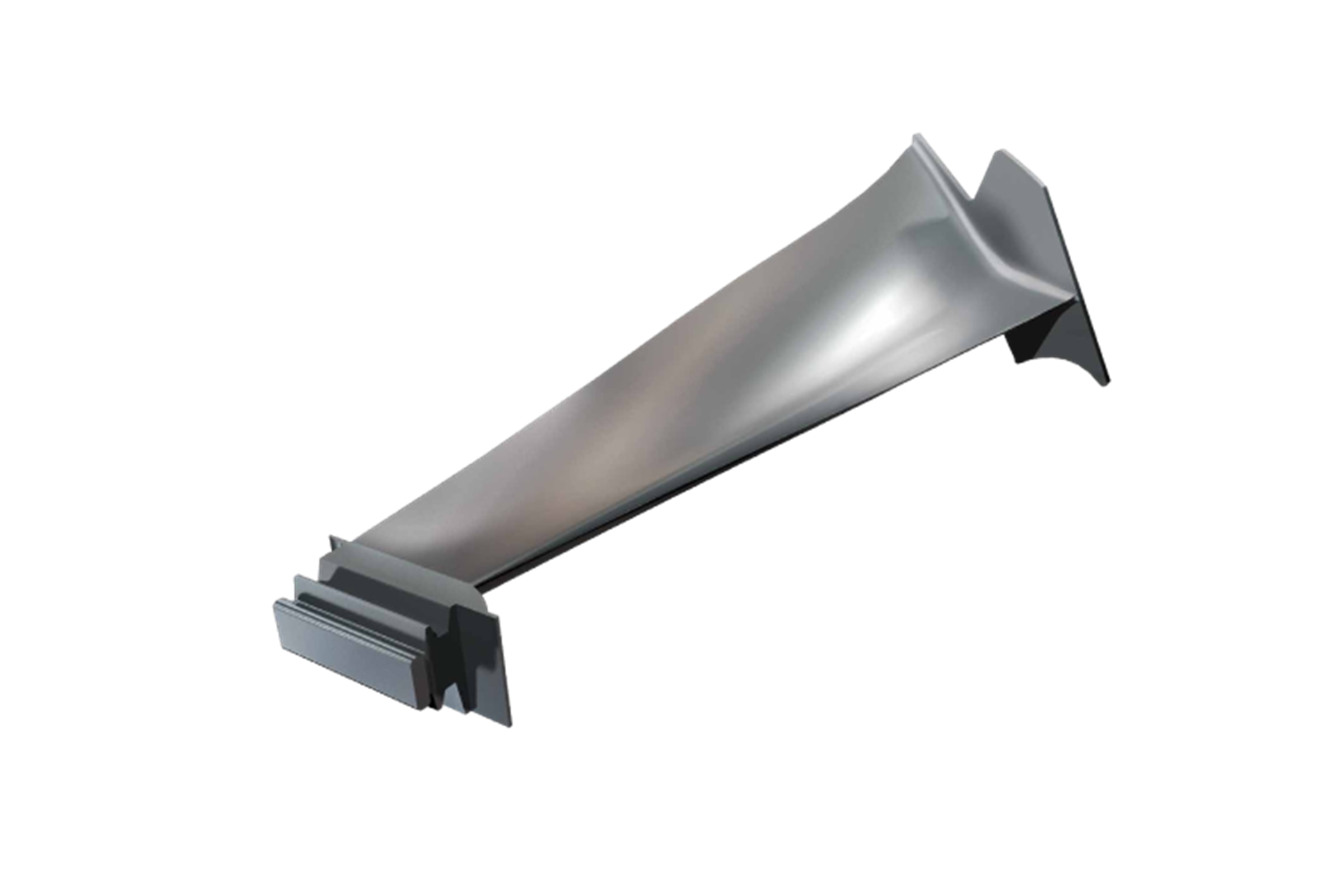
Tecnologia Central: Fundição por Cera Perdida de Stellite 12
Nosso avançado processo de fundição por cera perdida (modelo perdido) envolve a criação meticulosa de modelos de cera, formação de casca cerâmica (7–10 camadas) e fundição controlada a aproximadamente 1430°C. Taxas de resfriamento precisas de 50–100°C/min e pré-aquecimento do molde rigidamente controlado (950–1100°C) resultam em pás de turbina com estruturas de grãos altamente uniformes (tamanho de grão de 0,5–2 mm) e porosidade mínima (<1%), atendendo a padrões de desempenho rigorosos.
Características do Material da Liga Stellite 12
Stellite 12 é uma robusta liga à base de cobalto ideal para aplicações em turbinas, oferecendo resistência incomparável ao desgaste, oxidação e choque térmico. As principais propriedades incluem:
Propriedade | Valor |
|---|---|
Faixa de Fusão | 1280–1390°C |
Densidade | 8,53 g/cm³ |
Resistência à Tração (Temp. Ambiente) | 825 MPa |
Limite de Escoamento (Temp. Ambiente) | 635 MPa |
Dureza (HRC) | 47–52 HRC |
Estabilidade Térmica | Até 900°C |
Resistência ao Desgaste | Excepcional (abrasão, erosão) |
Essas características superiores tornam o Stellite 12 o material preferido para componentes críticos de pás de turbina, particularmente em ambientes operacionais severos.
Estudo de Caso: Componentes de Pás de Turbina em Stellite 12
Contexto do Projeto
Um fabricante internacional de turbinas necessitava de componentes de pás com resistência superior à erosão e estabilidade térmica para motores de turbina a gás operando continuamente a temperaturas de aproximadamente 850°C. Utilizando fundição por cera perdida de precisão, nossa empresa produziu pás de turbina Stellite 12 em estrita conformidade com os padrões ASTM F75 e de qualidade aeroespacial, garantindo confiabilidade do componente e vida útil estendida.
Modelos e Aplicações Típicas de Pás de Turbina
Pás de Turbina a Gás: Pás fundidas em Stellite 12 que proporcionam durabilidade e resistência superior à erosão, adequadas para turbinas a gás industriais operando em temperaturas elevadas (~850°C).
Pás de Turbina a Vapor: Componentes que garantem resistência prolongada ao desgaste e estabilidade à corrosão em ambientes de vapor de alta pressão, cruciais para turbinas de geração de energia.
Pás de Compressor: Pás fundidas com precisão otimizadas para resistência à erosão e fadiga térmica, aumentando significativamente a eficiência e confiabilidade do compressor.
Impulsores de Turboalimentador: Pás Stellite 12 projetadas para suportar altas velocidades de rotação e tensão térmica, mantendo estabilidade dimensional em temperaturas de operação em torno de 700–800°C.
Esses modelos de pás de turbina aumentam significativamente o desempenho, durabilidade e eficiência operacional da turbina.
Soluções de Fabricação de Componentes de Pás de Turbina
Processo de Fundição Utilizando o método de cera perdida, os componentes das pás de turbina passam pela formação do modelo de cera, construção da casca cerâmica em camadas e fundição a ~1430°C. O controle preciso das taxas de solidificação (50–100°C/min) garante tamanhos de grão entre 0,5–2 mm e precisão dimensional dentro de ±0,1 mm.
Pós-processamento Os procedimentos pós-fundição incluem Prensagem Isostática a Quente (HIP) a cerca de 1180°C e 100 MPa para eliminar porosidade residual (<1%), alcançando integridade mecânica ideal e densidade consistente em todos os componentes.
Tratamento de Superfície As pás de turbina são tratadas com revestimentos de barreira térmica (TBCs) avançados, tipicamente zircônia estabilizada com ítria aplicada via técnicas de pulverização por plasma, reduzindo efetivamente as temperaturas da superfície de operação em aproximadamente 100–150°C e melhorando significativamente a vida útil à fadiga térmica.
Testes e Inspeção Os testes abrangentes incluem inspeção radiográfica digital por raios-X para detecção de defeitos internos, medições por Máquina de Medição por Coordenadas (CMM) garantindo conformidade dimensional e validação mecânica rigorosa via testes de tração em temperatura elevada.
Principais Desafios de Fabricação de Componentes de Pás de Turbina
A produção de componentes de pás de turbina em Stellite 12 apresentou desafios de fabricação notáveis:
Alcançar tolerâncias dimensionais precisas de ±0,1 mm para perfis aerodinâmicos complexos.
Manter níveis de porosidade consistentemente abaixo de 1% para otimizar a durabilidade e resistência à fadiga do componente.
Controlar a uniformidade do tamanho de grão e evitar defeitos microestruturais através de parâmetros de fundição precisos.
Resultados e Verificação
As pás de turbina Stellite 12 entregues demonstraram desempenho excepcional através de:
Precisão dimensional verificada (±0,1 mm) usando inspeções CMM de alta precisão.
Níveis de porosidade consistentemente abaixo de 1%, confirmados via avaliações por raios-X e ultrassom.
Propriedades mecânicas verificadas, atendendo à resistência à tração de 825 MPa, limite de escoamento ≥635 MPa e dureza consistentemente dentro de 47–52 HRC.
Perguntas Frequentes
Quais vantagens a fundição por cera perdida oferece para a fabricação de pás de turbina Stellite 12?
Como o Stellite 12 se comporta sob condições operacionais extremas de turbina?
Quais medidas de garantia de qualidade são aplicadas para garantir a integridade dos componentes das pás de turbina?
Os componentes de pás de turbina Stellite 12 podem ser personalizados para projetos específicos de turbina?
Quais opções de tratamento de superfície estão disponíveis para melhorar a durabilidade das pás de turbina Stellite 12?
