
Fabricante de Peças de Fundição por Cera Perdida em Aço Inoxidável
Introdução
A fundição por cera perdida em aço inoxidável é um processo de fabricação de precisão usado para produzir componentes complexos e resistentes à corrosão, com excelente precisão dimensional e acabamento superficial. À medida que as indústrias exigem maior confiabilidade, resistência mecânica e versatilidade de materiais, as peças fundidas em aço inoxidável tornaram-se essenciais em setores como aeroespacial, automotivo, processamento químico, marítimo e energia.
A Neway AeroTech é uma fabricante líder de peças de fundição por cera perdida em aço inoxidável, oferecendo fundição por cera perdida a vácuo e em ar para uma ampla gama de graus, incluindo aços inoxidáveis 304, 316, 410 e duplex. Nossos serviços verticalmente integrados incluem ferramentaria de modelo de cera, processamento de casca cerâmica, tratamento térmico, usinagem CNC e inspeção NDT completa.
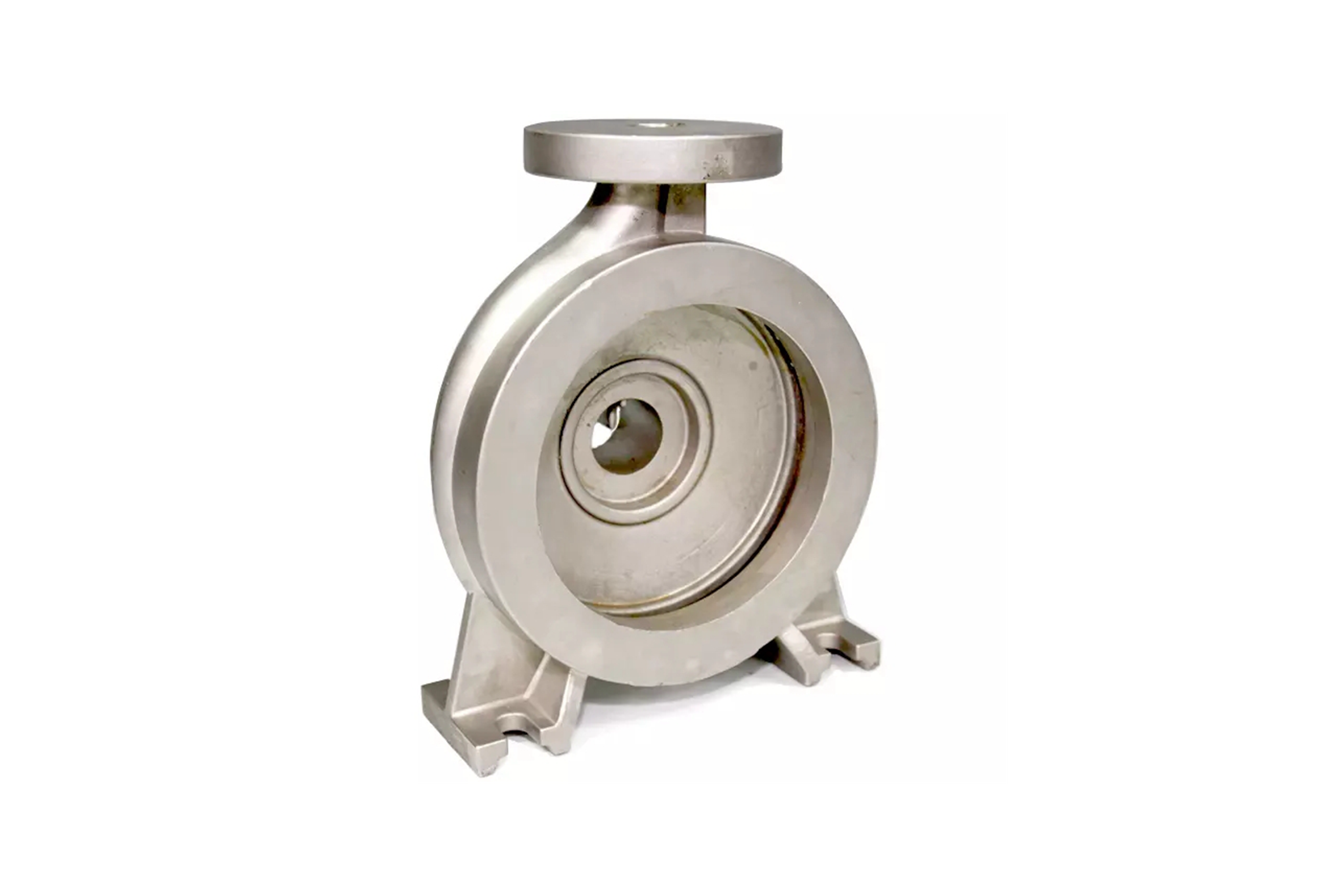
Vantagens da Fundição por Cera Perdida em Aço Inoxidável
Excelente Resistência à Corrosão Perfeito para uso em ambientes agressivos, incluindo sistemas marítimos, químicos e de processamento de alimentos.
Acabamento Superficial Superior Ra bruto de fundição tipicamente ≤ 6,3 μm, reduzindo os requisitos de usinagem.
Tolerâncias Dimensionais Apertadas Precisão de ±0,1 mm sem necessidade de operações secundárias.
Liberdade de Projeto Permite formas intrincadas, canais internos e geometrias otimizadas em peso.
Versatilidade de Material Disponível em uma ampla gama de graus de aço inoxidável, incluindo variantes resistentes ao calor e ao desgaste.
Aplicações Típicas
Componentes de Bombas e Válvulas Corpos de válvula, rotores, assentos e carcaças de bomba para sistemas químicos e de fluidos.
Hardware Automotivo Suportes de turbocompressor, flanges de escape e peças de montagem do motor.
Suportes e Carcaças Aeroespaciais Peças fundidas leves e resistentes à corrosão para ambientes de alta temperatura e alta carga.
Equipamentos Alimentícios e Médicos Peças em aço inoxidável usadas em ambientes de processamento higiênicos ou estéreis.
Hardware Arquitetônico Puxadores, conexões e suportes personalizados para montagens arquitetônicas em aço inoxidável.
Graus de Aço Inoxidável Oferecidos
Grau | Características | Aplicações |
|---|---|---|
304 / 304L | Boa resistência à corrosão, custo-benefício | Conexões gerais, hardware de grau alimentício |
316 / 316L | Resistência à corrosão aprimorada, grau marítimo | Carcaças de bomba, corpos de válvula, uso marítimo |
410 / 420 | Alta dureza e resistência ao desgaste | Componentes de ferramentaria, talheres, rolamentos |
2205 Duplex | Alta resistência, resistência à corrosão sob tensão | Trocadores de calor, estruturas offshore |
17-4PH | Alta resistência e resistência moderada à corrosão | Peças aeroespaciais, de campo petrolífero e de turbina |
Processo de Fabricação
Criação do Modelo de Cera Modelos de cera injetados são produzidos usando moldes de alumínio de precisão ou prototipagem rápida para formas de baixo volume ou complexas.
Construção da Casca Cerâmica Revestimento com lama e granalhamento são repetidos para construir um molde de casca de 6–8 mm, garantindo fidelidade dimensional e resistência ao choque térmico.
Remoção de Cera e Queima da Casca A cera é removida em uma autoclave; a casca é então queimada a ~1000°C para preparar para o vazamento do metal.
Fusão e Vazamento O aço inoxidável é fundido em fornos de indução a ar ou vácuo e vazado em moldes pré-aquecidos por gravidade ou vácuo.
Remoção da Casca e Limpeza As cascas são removidas mecanicamente e quimicamente, e as peças são limpas por jateamento e decapagem.
Tratamento Térmico Recozimento de solução, endurecimento ou envelhecimento é aplicado dependendo do material e aplicação.
Usinagem CNC e Acabamento Características críticas são finalizadas via usinagem CNC e EDM, seguido por polimento, passivação ou revestimento.
Controle de Qualidade e NDT CMM, Raio-X e teste de pressão garantem a integridade dimensional e estrutural.
Estudo de Caso: Fundição de Corpo de Válvula 316L para Sistema de Fluido Offshore
A Neway AeroTech forneceu uma série de corpos de válvula em aço inoxidável 316L para uma usina de dessalinização offshore. O cliente exigia resistência à corrosão em água rica em cloretos, zero porosidade e tolerância apertada nas roscas dos orifícios. Nosso processo de fundição por cera perdida alcançou planicidade de ±0,03 mm e passou em 100% dos testes NDT e hidrostáticos.
Perguntas Frequentes
Quais tolerâncias podem ser alcançadas com a fundição por cera perdida em aço inoxidável?
Quais graus de aço inoxidável são adequados para aplicações marítimas e químicas?
Qual é o acabamento superficial das peças de aço inoxidável brutas de fundição?
Vocês podem produzir fundições de baixo volume ou protótipos?
Quais testes e certificações estão disponíveis para peças fundidas em aço inoxidável?
