
Oficina de Sistemas de Propulsão Naval com Fundição de Superliga Nimonic 81
Introdução
O Nimonic 81 é uma liga de níquel-cromo reforçada com titânio e alumínio, oferecendo excepcional resistência em altas temperaturas, resistência à oxidação e superior resistência à corrosão em ambientes salinos. Como uma oficina dedicada à fundição de superligas, produzimos componentes de precisão em Nimonic 81 para sistemas de propulsão naval, atendendo a tolerâncias apertadas (±0,05 mm) e controle de porosidade abaixo de 1%.
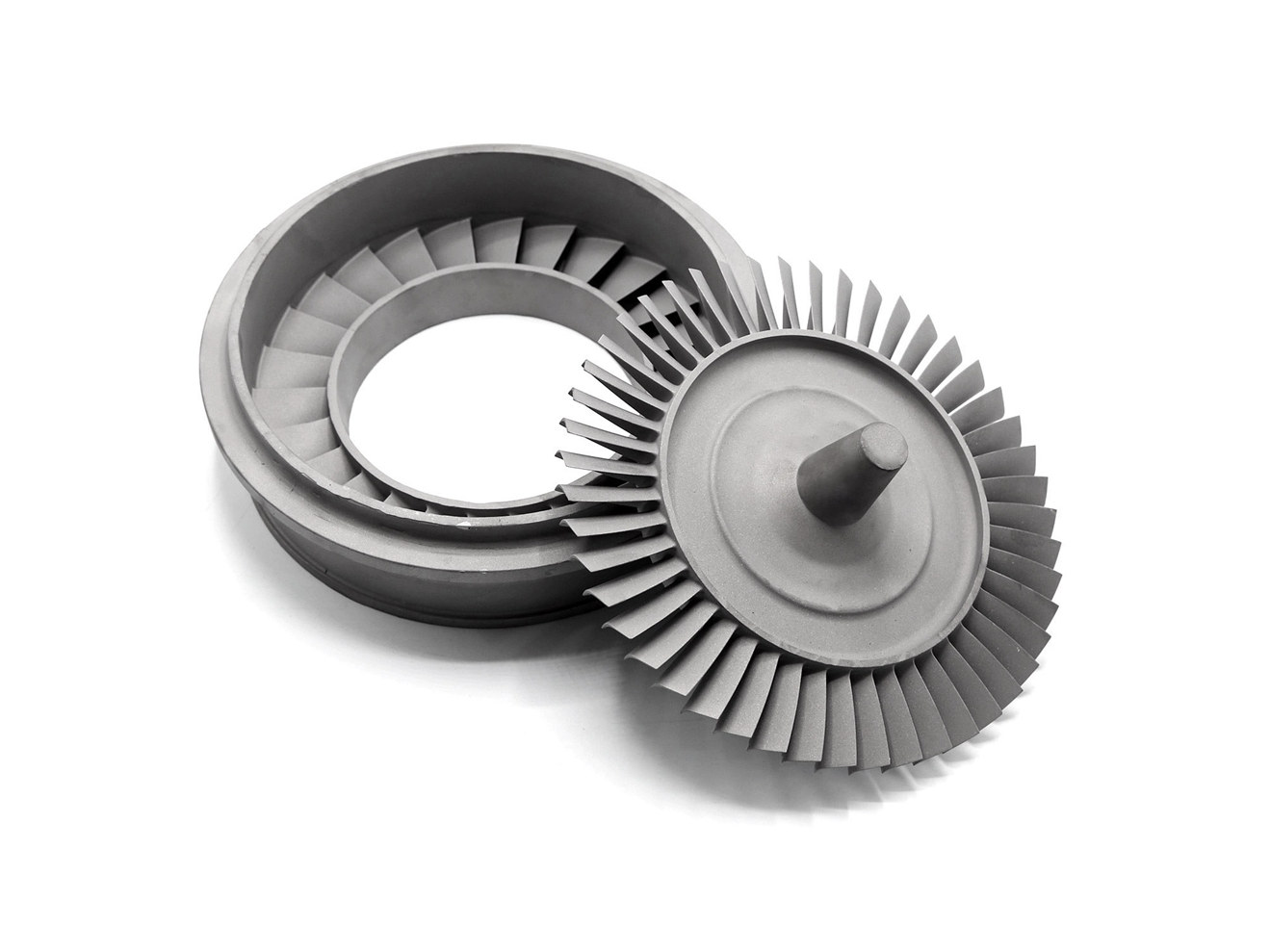
Nossas peças fundidas em Nimonic 81 são projetadas para os exigentes ambientes de propulsão naval, incluindo cubos de hélice, bocais de turbina e módulos de escape operando sob tensão mecânica e térmica sustentada.
Tecnologia Central: Fundição de Superliga Nimonic 81
Utilizamos fundição por cera perdida a vácuo avançada para produzir componentes de propulsão naval em Nimonic 81. Moldes cerâmicos de casca (8–10 camadas) são utilizados, e a liga é fundida a ~1360°C e vazada sob vácuo. O pré-aquecimento do molde a 1050°C e a solidificação controlada (taxa de resfriamento: 40–90°C/min) garantem tamanho de grão de 0,5–2 mm e precisão dimensional de ±0,05 mm.
Características do Material da Liga Nimonic 81
O Nimonic 81 é otimizado para aplicações que envolvem tanto tensão mecânica em alta temperatura quanto exposição agressiva à água salgada. As principais propriedades incluem:
Propriedade | Valor |
|---|---|
Faixa de Fusão | 1320–1380°C |
Densidade | 8,2 g/cm³ |
Resistência à Tração (a 750°C) | ≥800 MPa |
Limite de Escoamento (a 750°C) | ≥600 MPa |
Alongamento | ≥25% |
Resistência à Oxidação | Excelente até 950°C |
Resistência à Corrosão | Excelente em ambientes marinhos |
Essas características tornam o Nimonic 81 adequado para aplicações de propulsão naval de alto desempenho que exigem durabilidade, resistência à água salgada e estabilidade térmica.
Estudo de Caso: Peças Fundidas em Nimonic 81 para Propulsão Naval
Contexto do Projeto
Um contratante de propulsão naval necessitava de componentes de liga duráveis para sistemas de escape de turbina a gás de alta eficiência e conjuntos de acoplamento mecânico em ambiente marinho. Nossa oficina forneceu peças fundidas em Nimonic 81 com controle de grão fino e integridade a vácuo, atendendo aos padrões de fundição ISO 9001 e MIL-STD para componentes de maquinaria naval.
Aplicações Típicas de Propulsão Naval
Cubos de Impulsor de Jato de Água: Cubos de impulsor fundidos em Nimonic 81 oferecendo resistência à erosão e corrosão em condições de fluxo de água em alta velocidade.
Segmentos de Difusor de Escape: Componentes expostos a altas temperaturas de escape e condensação salina; o Nimonic 81 resiste à oxidação térmica e corrosão superficial.
Palhetas Guia de Bocal de Turbina a Gás: Peças de fundição de precisão mantendo integridade mecânica e perfil superficial sob flutuações cíclicas de temperatura de até 950°C.
Anéis de Acoplamento de Propulsão: Conectores mecânicos estáticos entre eixos de saída de turbina e propulsores navais, projetados para resistência à tensão e precisão dimensional.
Essas aplicações destacam o valor da liga em confiabilidade de propulsão, resistência à corrosão e resistência à fadiga em salas de máquinas navais e sistemas de fluxo de gás.
Soluções de Fabricação de Componentes Navais
Processo de Fundição Modelos de cera são investidos em cascas cerâmicas e fundidos sob vácuo a ~1360°C. A solidificação controlada garante distribuição uniforme de carbonetos e retração mínima. Seções de parede fina são fundidas com tolerâncias apertadas, críticas para o balanceamento dinâmico em rotores.
Pós-processamento Prensagem Isostática a Quente (HIP) a 1180°C e 100 MPa é aplicada para remover porosidade. Usinagem CNC finaliza padrões de parafusos, ranhuras de vedação e superfícies de interface.
Tratamento de Superfície Os componentes podem ser tratados com revestimentos de alumineto resistentes à oxidação ou cerâmicos para vida útil prolongada à fadiga térmica em zonas de turbina. Peças expostas à água do mar podem ser passivadas ou revestidas com sistemas de barreira de grau marinho.
Testes e Inspeção Todas as peças são inspecionadas com radiografia por raios-X, medições por MMC e testes de tração em temperatura elevada. A metalografia confirma a distribuição de fases e a consistência do grão.
Principais Desafios de Fabricação de Componentes Navais em Nimonic 81
Alcançar precisão dimensional para conjuntos rotativos (±0,05 mm) enquanto gerencia a retração e distorção da liga durante o resfriamento.
Garantir resistência à corrosão da água do mar por mais de 20.000 horas de operação.
Manter o refinamento de grão em peças fundidas de parede espessa e carregadas termicamente para resistência à fadiga.
Resultados e Verificação
Os componentes finais mantiveram tolerância dimensional dentro de ±0,05 mm, verificada por varredura 3D em MMC.
Testes de raios-X confirmaram porosidade interna <1% após HIP.
Resistência à oxidação superficial e ao spray salino verificada após testes de exposição marinha de 1000 horas.
Resistência à tração em temperatura elevada ≥800 MPa consistentemente alcançada a 750°C.
Perguntas Frequentes
Por que o Nimonic 81 é adequado para aplicações de propulsão naval?
Quais tolerâncias de fundição são alcançáveis para peças rotativas navais?
Como o Nimonic 81 se comporta em zonas de água do mar e alta temperatura?
Sua oficina pode personalizar peças fundidas para retrofit de sistemas de propulsão naval?
Quais certificações de qualidade e protocolos de teste vocês seguem para peças navais?
