
Empresa de Sistemas de Escape Aeroespacial com Fundição por Cera Perdida em Nimonic 75
Introdução
O Nimonic 75 é uma liga de níquel-cromo conhecida por sua excelente resistência à oxidação, estabilidade estrutural e resistência moderada em temperaturas elevadas de até 950°C. Como uma empresa dedicada à fundição por cera perdida, fabricamos componentes de alto desempenho em Nimonic 75 para sistemas de escape aeroespaciais com tolerâncias dimensionais apertadas (±0,05 mm), estruturas de grão refinadas e níveis de porosidade inferiores a 1%.
Nossas peças são adaptadas para dutos de escape de jato, revestimentos de pós-combustão e proteção térmica em sistemas de motores de aeronáutica e aviação que operam em ambientes térmicos severos.
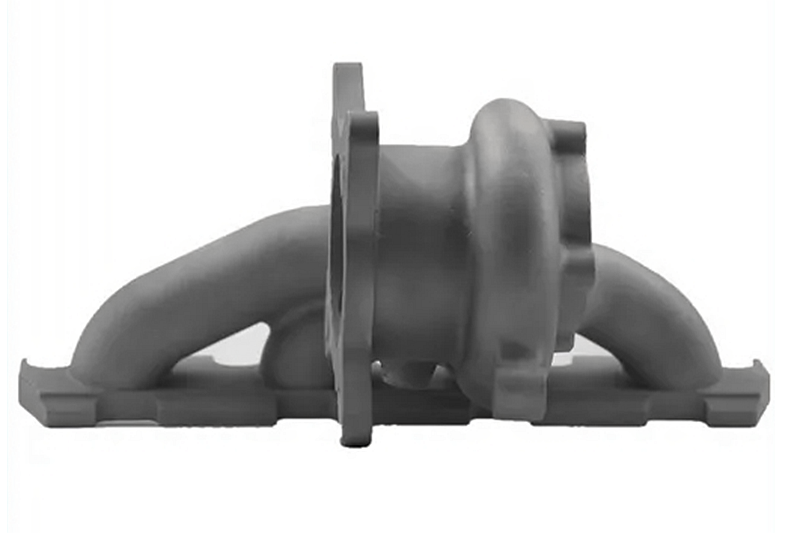
Tecnologia Central: Fundição por Cera Perdida de Nimonic 75
Nosso processo de fundição por cera perdida utiliza modelos de cera moldados com precisão, 8 a 10 camadas de casca cerâmica e fusão a vácuo a aproximadamente 1420°C. Os moldes são pré-aquecidos a 1050°C para permitir um fluxo suave do metal e um preenchimento completo da cavidade. A solidificação controlada (taxa de resfriamento de 40 a 100°C/min) produz tamanhos de grão equiaxiais (0,5 a 2 mm) e precisão dimensional dentro de ±0,05 mm, essencial para componentes de alto desempenho de sistemas de escape.
Características do Material da Liga Nimonic 75
O Nimonic 75 é uma liga de níquel-cromo forjada/fundida projetada para resistência moderada em alta temperatura e excelente resistência à oxidação e incrustação. Ele tem um desempenho confiável em condições oxidantes e termicamente variáveis. As principais propriedades incluem:
Propriedade | Valor |
|---|---|
Faixa de Fusão | 1320–1380°C |
Densidade | 8,37 g/cm³ |
Resistência à Tração (a 800°C) | ≥600 MPa |
Limite de Escoamento (a 800°C) | ≥300 MPa |
Alongamento | ≥30% |
Limite de Temperatura de Operação | ~950°C |
Resistência à Oxidação | Excelente (ar, gases de combustão) |
Essas propriedades tornam o Nimonic 75 um material ideal para peças de escape de jato que requerem estabilidade térmica e resistência à corrosão ao longo de ciclos prolongados.
Estudo de Caso: Componentes de Escape Aeroespacial em Nimonic 75
Contexto do Projeto
Um fornecedor de motores de aeronaves comerciais necessitava de revestimentos de dutos de escape e segmentos de bocal leves e resistentes à oxidação, operando em temperaturas contínuas próximas a 900°C. Nossa solução: componentes de Nimonic 75 fundidos a vácuo com geometrias de parede fina (2 a 3 mm) e perfis de curvatura complexos, atendendo aos padrões dimensionais AMS 5599 e aeroespaciais.
Aplicações Típicas de Sistemas de Escape Aeroespaciais
Revestimentos de Bocal de Escape de Turbofan (ex.: CFM56, PW4000): Revestimentos de Nimonic 75 de alta temperatura que mantêm a forma sob carregamento cíclico e oferecem proteção contra oxidação de longo prazo.
Revestimentos de Pós-Combustão (ex.: F404, EJ200): Componentes de proteção térmica expostos a ciclagem térmica rápida e gases de combustão quentes de até 950°C.
Escudos de Isolamento de Tubo de Jato (ex.: LEAP-1A): Painéis resistentes à corrosão, fundidos com precisão, formando barreiras térmicas para configurações de escape de alto desvio.
Carcaças de Escape de Unidades de Potência Auxiliar (APU): Cascas de Nimonic 75 que proporcionam economia de peso e alta resistência à oxidação para sistemas de gerenciamento de escape a bordo.
Essas peças são projetadas para resiliência térmica, estabilidade dimensional e confiabilidade em sistemas de propulsão comerciais e militares.
Soluções de Fabricação de Componentes de Escape Aeroespaciais
Processo de Fundição Modelos de cera são montados em moldes de casca cerâmica, sinterizados e fundidos a vácuo a ~1420°C. A solidificação é controlada para produzir uma estrutura de grão uniforme e minimizar a retração interna ou distorção durante o resfriamento do molde.
Pós-processamento Os componentes passam por prensagem isostática a quente (HIP) a ~1175°C e 100 MPa para remover microvazios. A usinagem e retificação final garantem conformidade com precisão de perfil de ±0,05 mm para interfaces de acoplamento e juntas parafusadas.
Tratamento de Superfície Revestimentos cerâmicos opcionais de aluminização ou resistentes à oxidação são aplicados via cimentação em pacote ou pulverização por plasma para melhorar ainda mais o desempenho de longo prazo sob exposição ao calor em zonas de gases de combustão.
Testes e Inspeção As inspeções críticas incluem radiografia digital, varredura dimensional CMM, testes de tração em temperatura elevada e análise metalográfica para verificar a consistência microestrutural e a estabilidade de fase.
Principais Desafios de Fabricação de Componentes de Escape em Nimonic 75
Fundir componentes de parede fina (2 a 3 mm) com formas complexas e distorção mínima.
Garantir resistência à oxidação e estabilidade mecânica em temperaturas contínuas que se aproximam de 950°C.
Atender aos padrões de qualidade e dimensionais aeroespaciais para montagens de encaixe preciso em ambientes de escape de alto fluxo.
Resultados e Verificação
Os componentes do sistema de escape em Nimonic 75 entregues alcançaram:
Precisão de espessura de parede dentro de ±0,05 mm em todos os perfis aerodinâmicos completos.
Porosidade <1%, validada por inspeção radiográfica e corte transversal metalográfico.
Resistência à oxidação validada após testes de exposição de 1000 horas em alta temperatura a 950°C.
Resistência mecânica consistente ≥600 MPa em condições operacionais elevadas.
Perguntas Frequentes
Por que o Nimonic 75 é adequado para componentes de sistemas de escape aeroespaciais?
Quais tolerâncias e espessuras de parede podem ser alcançadas através da fundição por cera perdida?
Que tipos de tratamentos de superfície melhoram a resistência à oxidação do Nimonic 75?
Os componentes de Nimonic 75 podem ser personalizados para plataformas de motor específicas?
Quais procedimentos de teste são usados para verificar a qualidade da fundição para uso aeroespacial?
