
Peças de Turbina Fundidas com Cristais Equiaxiais em Superliga IN713LC
Introdução
IN713LC é uma superliga à base de níquel endurecida por precipitação, desenvolvida para componentes de turbina que exigem desempenho excepcional em ambientes de alta temperatura e alto estresse. Sua excelente resistência à tração, resistência à oxidação e estabilidade ao fluência a tornam ideal para peças complexas como pás, palhetas e segmentos de bicos. Quando produzida através de fundição de cristais equiaxiais, as peças de turbina IN713LC oferecem comportamento mecânico isotrópico e integridade estrutural consistente.
A Neway AeroTech fornece fundição de precisão a vácuo por cera perdida de peças IN713LC usando tecnologia de solidificação equiaxial. Com capacidades certificadas AS9100 e NADCAP, atendemos OEMs de turbinas aerospaciais, de geração de energia e militares que requerem componentes duráveis e dimensionalmente precisos.
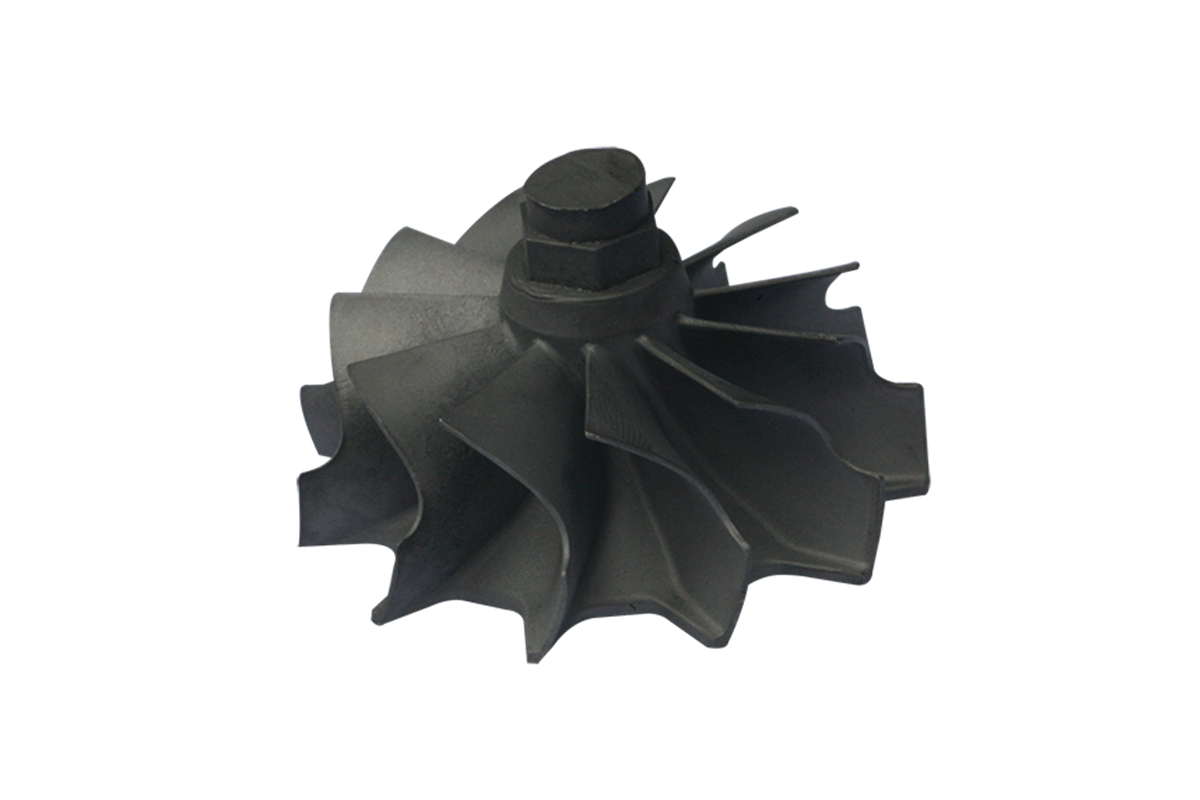
Tecnologia Central da Fundição de Cristais Equiaxiais IN713LC
Fabricação do Modelo de Cera Geometrias complexas das peças são replicadas usando modelos de cera injetados com tolerância de ±0,05 mm, suportando perfis de aerofólios e segmentos de turbina.
Construção do Molde Cerâmico Suspensões cerâmicas refratárias e camadas de estuco são aplicadas sequencialmente, formando cascas com 6–8 mm de espessura para estabilidade térmica.
Remoção da Cera e Queima do Molde Os modelos são removidos em autoclaves a ~150°C; as cascas queimadas são sinterizadas a 1000–1100°C para alta resistência mecânica e integridade do molde.
Fusão por Indução a Vácuo O IN713LC é fundido sob vácuo (≤10⁻³ Pa) a ~1450°C, garantindo química limpa do metal fundido e contaminação mínima.
Solidificação Equiaxial O metal fundido é vazado em cascas cerâmicas pré-aquecidas e solidificado sob condições cuidadosamente controladas para produzir estruturas de grãos equiaxiais uniformes (0,5–2 mm).
Remoção do Molde e Limpeza As cascas são removidas após a solidificação usando vibração e jateamento, preservando o acabamento superficial das geometrias intrincadas das peças da turbina.
Processo de Tratamento Térmico O tratamento de solubilização e envelhecimento refina a fase precipitada γ′, melhorando as propriedades mecânicas e térmicas.
Usinagem e Acabamento Final Características críticas, como furos de parafuso, superfícies de vedação e passagens de resfriamento, são concluídas via usinagem CNC e EDM.
Perfil de Desempenho do Material IN713LC
Limite de Temperatura de Operação: Até 982°C (1800°F)
Resistência à Tração Máxima: ≥1034 MPa à temperatura ambiente
Limite de Escoamento: ≥862 MPa
Resistência à Ruptura por Fluência: ≥200 MPa @ 760°C por 1000 horas
Alongamento: ≥5%
Resistência à Oxidação: Excelente em ambientes gasosos cíclicos de alta temperatura
Controle do Tamanho de Grão: ASTM 5–7 alcançável através da fundição equiaxial
Estudo de Caso: Produção de Peças de Turbina IN713LC para Turbina de Potência Industrial
Contexto do Projeto
A Neway AeroTech foi contratada para produzir pás, palhetas e anéis de turbina IN713LC fundidos equiaxialmente para uma turbina a gás industrial pesada com potência nominal de 65 MW. O cliente exigia peças dimensionalmente estáveis, com baixas taxas de defeito e propriedades mecânicas consistentes sob operação sustentada a 950°C.
Componentes Comuns de Turbina Equiaxial
Pás e Palhetas do Primeiro Estágio Componentes rotativos e estáticos de alta carga sujeitos a altos gradientes térmicos e velocidades do gás.
Segmentos Guia do Bocal Peças de controle de fluxo que requerem estabilidade dimensional precisa e alta resistência à oxidação.
Anéis do Revestimento da Câmara de Combustão Segmentos de arco fixo expostos ao calor radiante e fadiga térmica.
Inserções de Carcaça e Anéis de Vedação Componentes que vedam ou guiam fluxos de gás com superfícies de acoplamento de tolerância apertada.
Processo de Fabricação de Peças de Turbina IN713LC
Projeto e Ferramental de Cera A geometria do componente e os sistemas de alimentação são otimizados através de simulação CFD e validação do modelo de cera.
Fabricação de Molde Cerâmico de Precisão Cascas cerâmicas multicamadas são construídas com espessura e integridade superficial consistentes para suportar a fundição precisa.
Execução da Fundição a Vácuo O IN713LC é vazado a vácuo com temperaturas da casca controladas para reduzir gradientes térmicos e minimizar defeitos de solidificação.
Tratamento Térmico e Envelhecimento O tratamento térmico é conduzido para homogeneizar a microestrutura e ativar o fortalecimento por precipitação γ′.
Processamento Final CNC e EDM Perfis complexos e furos de resfriamento são usinados com tecnologias CNC e EDM para atingir as tolerâncias finais.
Controle de Qualidade e END Todas as peças passam por inspeção por raios-X, validação CMM e análise metalográfica para garantir total conformidade estrutural.
Desafios na Fundição de Peças de Turbina Equiaxial
Manter a precisão dimensional em características de resfriamento assimétricas
Prevenir microsegregação em segmentos de parede espessa
Garantir tamanho de grão uniforme em peças com seções transversais variáveis
Evitar trincas a quente em zonas de alto estresse das peças fundidas
Resultados e Verificação
Tamanho de grão ASTM 6 alcançado em segmentos fundidos complexos
100% de conformidade com padrões de inspeção por raios-X e ultrassom
Resistência à tração consistentemente acima de 1034 MPa em todos os lotes de produção
Precisão dimensional final dentro de ±0,03 mm verificada via CMM de 5 eixos
Perguntas Frequentes
Quais são os benefícios da fundição equiaxial para componentes de turbina?
Quais peças de turbina são mais adequadas para fundição equiaxial IN713LC?
Como a Neway AeroTech controla o tamanho de grão e a segregação nas peças fundidas?
Qual pós-processamento é necessário para peças de turbina equiaxial?
Quais certificações se aplicam aos processos de fundição IN713LC para indústrias críticas?
