
Impressão 3D de Roda de Turbina em Liga de Alta Temperatura
Introdução
Impressão 3D de rodas de turbina em ligas de alta temperatura permite a produção de componentes complexos e termicamente estáveis para aeroespacial, geração de energia e turbomáquinas de alto desempenho. Na Neway AeroTech, utilizamos tecnologias avançadas de manufatura aditiva de metal—como Impressão 3D SLM e WAAM—para construir rodas de turbina a partir de Inconel 718, Hastelloy X e Rene 77 com resistência superior à fadiga térmica, excelente resistência mecânica e aerodinâmica otimizada.
Estes componentes de forma quase líquida reduzem os prazos de entrega, minimizam o desperdício e suportam a fabricação de canais de resfriamento internos e geometrias de pás otimizadas que são inatingíveis por métodos tradicionais.
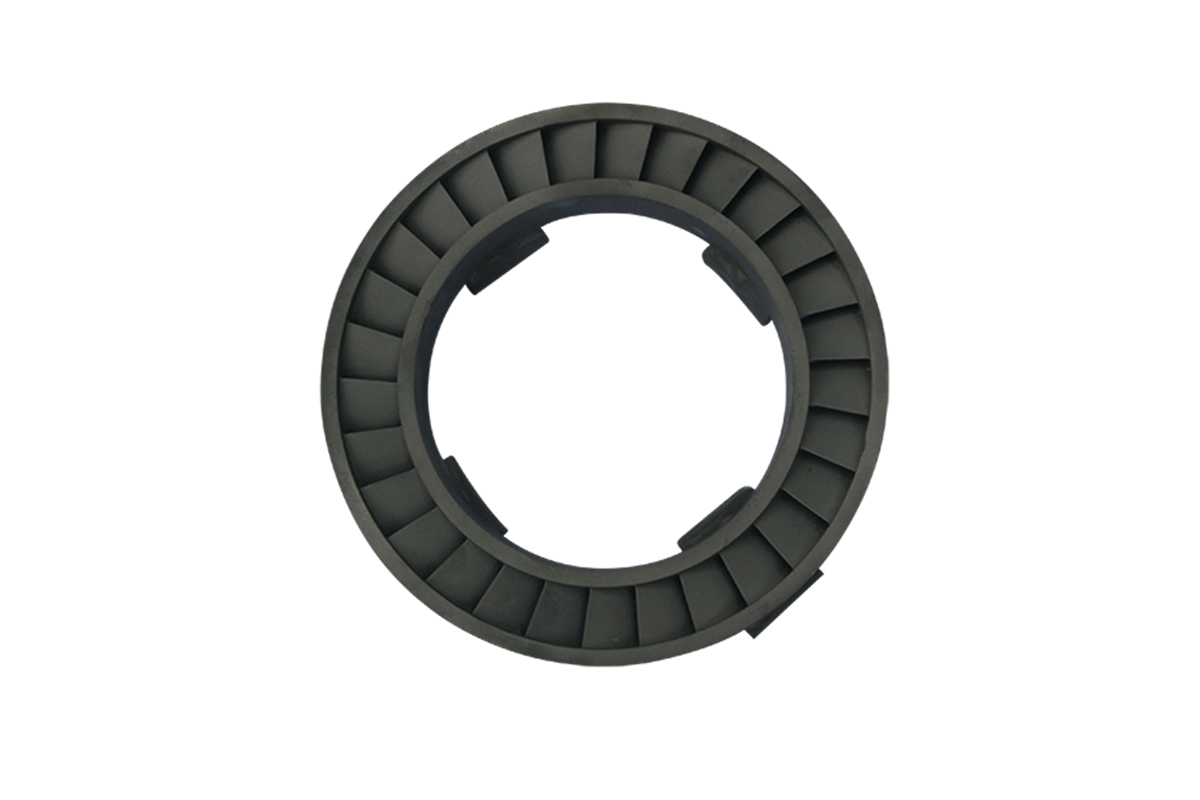
Tecnologia Central das Rodas de Turbina em Liga de Alta Temperatura Impressas em 3D
Preparação do Material: Pós de ligas Inconel, Hastelloy ou Rene com tamanhos de partícula de 15–45 µm são selecionados para consistência de fusão a laser e estabilidade química.
Processo SLM ou WAAM: Usando Fusão Seletiva a Laser ou Manufatura Aditiva por Arco com Arame, a roda de turbina é construída camada por camada sob atmosfera inerte para evitar oxidação.
Gestão Térmica & Estratégia de Suporte: Estratégias de construção personalizadas e geometrias de suporte minimizam tensões residuais e distorção durante o resfriamento.
Tratamento Térmico de Pós-Processamento: As peças passam por tratamento de solução e envelhecimento para restaurar a microestrutura e as propriedades mecânicas.
Acabamento CNC: Os perfis finais das pás, interfaces do eixo e superfícies das pontas são refinados usando usinagem CNC multi-eixo dentro de uma tolerância de ±0,02 mm.
Revestimentos de Superfície Opcionais: Revestimentos de Barreira Térmica (TBC) aplicados para proteção contra oxidação e vida útil aprimorada em altas temperaturas.
Propriedades dos Materiais das Ligas para Rodas de Turbina Impressas em 3D
Liga | Inconel 718 | Hastelloy X | Rene 77 |
|---|---|---|---|
Temp. Máx. de Serviço | ~700°C | ~1175°C | ~980°C |
UTS (pós-impressão) | 1180–1380 MPa | ~880 MPa | ~1350 MPa |
Resistência à Fadiga | Excelente | Muito Boa | Excepcional |
Resistência à Oxidação | Excelente | Superior | Muito Alta |
Estabilidade Térmica | Alta | Excelente | Alta |
Soldabilidade | Boa | Moderada | Moderada |
Estudo de Caso: Roda de Turbina Impressa em 3D em Inconel 718 para APU de Aeronave
Contexto do Projeto
Um fabricante aeroespacial precisava de uma roda de turbina compacta para uma unidade de potência auxiliar (APU) operando a 680°C e 50.000 RPM. A fundição tradicional não conseguia alcançar a geometria necessária do canal de resfriamento interno ou a espessura da pá. A impressão 3D com Inconel 718 forneceu a estabilidade térmica e a liberdade de design necessárias.
Benefícios Específicos da Aplicação
Canais de Resfriamento Complexos: Passagens internas integradas diretamente no cubo do rotor e raízes das pás para gestão térmica.
Geometria de Pás Otimizada: Peso reduzido e eficiência do fluxo de ar aprimorada através de otimização paramétrica de treliça.
Prototipagem Rápida & Testes: A impressão 3D reduziu o ciclo de produção de 10 semanas para 3 semanas, permitindo iteração mais rápida.
Fluxo de Trabalho de Fabricação
Fusão em Leito de Pó (SLM): Pó de Inconel 718 impresso sob atmosfera de argônio para construir a roda de turbina com espessura de camada de 60 µm.
Tratamento Térmico: Tratado em solução a 980°C, envelhecido a 720°C, produzindo UTS >1250 MPa e resistência à fadiga excedendo a especificação.
Usinagem CNC: Raio da ponta da pá final, furo do eixo e características de acoplamento usinadas com ±0,02 mm usando CNC de precisão.
Acabamento de Superfície: Polida e opcionalmente revestida com TBC para resistência à oxidação superficial.
Validação: Teste de raios-X e inspeção CMM verificaram a integridade interna e dimensional.
Resultados e Validação de Desempenho
Resistência Mecânica: Alcançado >1250 MPa UTS com alongamento >12%, estável através de operação contínua a 700°C.
Precisão Dimensional: ±0,02 mm alcançado em todas as interfaces críticas, garantindo equilíbrio dinâmico em alto RPM.
Resistência à Fadiga Térmica: Passou com sucesso 20.000 ciclos térmicos entre 200°C e 700°C sem trincas ou deformação.
Eficiência Aerodinâmica: Testes CFD mostraram um ganho de eficiência de fluxo de ar de 6% em comparação com o equivalente fundido.
Perguntas Frequentes
Quais são as vantagens de usar a impressão 3D para a fabricação de rodas de turbina?
Quais ligas de alta temperatura são mais adequadas para componentes de turbina impressos em 3D?
Como a impressão 3D melhora o resfriamento e o desempenho em rodas de turbina?
Quais tratamentos térmicos são necessários para impressões de superligas pós-processadas?
As rodas de turbina podem ser personalizadas e certificadas para aplicações de grau aeroespacial?
