
Impressão 3D em Plástico Personalizada com Materiais Especiais e de Alto Desempenho
Introdução à Impressão 3D em Plástico de Grau Engenharia
Além da prototipagem, a impressão 3D em plástico agora fornece peças prontas para produção utilizando polímeros especiais e de alto desempenho. Estes materiais atendem a requisitos exigentes, como resistência ao calor, retardância de chama, durabilidade química e estabilidade dimensional.
Na Neway Aerotech, o nosso serviço de impressão 3D em plástico personalizado suporta aplicações nos setores aeroespacial, automotivo, eletrónico e médico com peças precisas e de alta funcionalidade, adaptadas a ambientes críticos de desempenho.
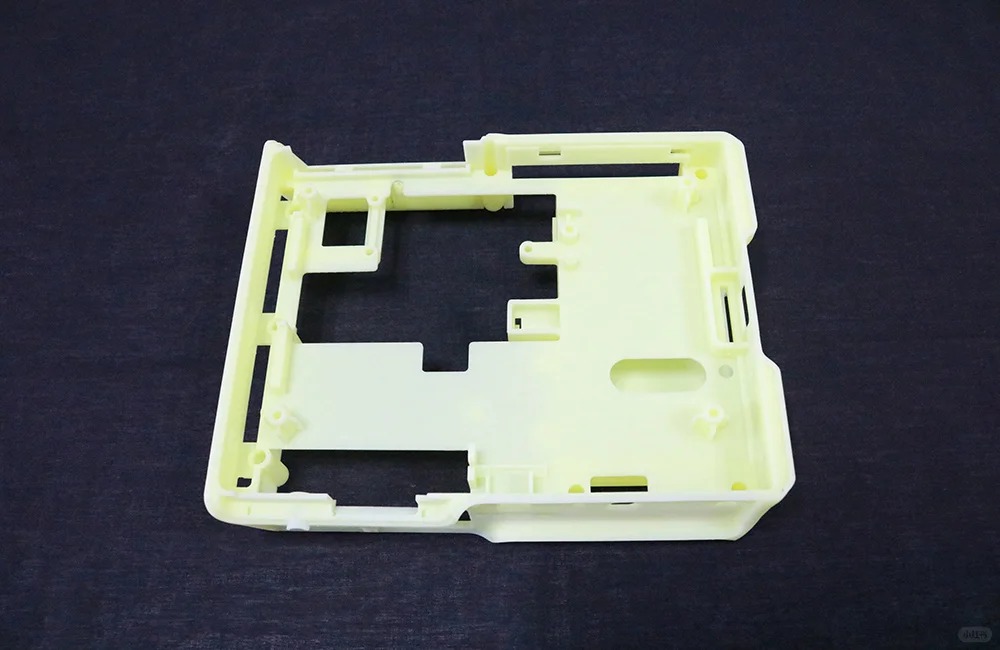
Visão Geral da Tecnologia de Impressão 3D em Plástico
Classificação das Tecnologias de Impressão 3D de Alto Desempenho
Processo | Temp. Máx. (°C) | Acabamento Superficial (Ra, μm) | Tolerância Dimensional (mm) | Aplicações Típicas |
|---|---|---|---|---|
FDM | 400+ | 10–20 | ±0,15–0,30 | Componentes de grau aeroespacial, capas ESD |
SLS | 180 | 8–12 | ±0,1–0,25 | Peças estruturais flexíveis e funcionais |
MJF | 180 | 6–10 | ±0,1–0,20 | Peças resistentes de grau de produção |
SLA | 120 | 1–5 | ±0,05–0,15 | Modelos visuais de alta resolução, testes de grau médico |
Nota: Os valores de temperatura e dimensionais dependem do material e da geometria.
Estratégia de Seleção de Processo
FDM: Ideal para imprimir peças em ULTEM™, PEKK ou PEEK com conformidade térmica, mecânica e regulamentar.
SLS: Melhor para compósitos especiais à base de nylon que não requerem estruturas de suporte.
MJF: Utilizado para produção em pequenos lotes de componentes de engenharia resistentes a químicos e tolerantes a impactos.
SLA: Adequado para modelos biocompatíveis ou validação de alto detalhe com misturas de resina personalizadas.
Materiais Especiais para Impressão 3D
Comparação de Plásticos de Engenharia e Funcionais
Material | Resistência (MPa) | HDT (°C) | Propriedades Únicas | Aplicações Comuns |
|---|---|---|---|---|
PEI (ULTEM™ 9085) | ~85 | ~210 | Retardante de chama, conforme FST (UL94 V-0) | Interiores de aeronaves, caixas estruturais |
PEEK | ~100 | ~250 | Alta resistência química, térmica e à fadiga | Vedantes para petróleo e gás, ferramentas ortopédicas, peças de turbina |
Nylon com Fibra de Carbono | ~85 | ~150 | Leve, rígido, resistente a vibrações | Dispositivos aeroespaciais, VANTs, suportes automotivos |
PETG Seguro contra ESD | ~45 | ~75 | Previne o acúmulo estático em ambientes sensíveis | Fixações para PCB, suportes de sensores, caixas eletrónicas |
Resina de Grau Médico | ~50 | ~60 | Biocompatível, esterilizável, opções translúcidas | Guias cirúrgicos, modelos dentários, dispositivos vestíveis |
Estratégia de Seleção de Material
PEI (ULTEM™): Preferido quando as peças devem cumprir regulamentações aeroespaciais de chama, fumo e toxicidade (FST).
PEEK: Escolhido para ambientes que requerem estabilidade térmica de 250 °C, esterilização e alta resistência ao desgaste.
Nylon com Fibra de Carbono: Utilizado quando a relação rigidez-peso e a precisão dimensional sob carga são críticas.
PETG ESD: Ideal para invólucros antiestáticos em eletrónica ou ambientes de sala limpa.
Resina Médica: Aplicada em aplicações seguras para contacto e esterilizáveis nos setores dentário, cirúrgico e ortótico.
Estudo de Caso: Peças em PEEK e PETG Seguro contra ESD para Sistemas de Invólucros Eletrónicos
Contexto do Projeto
Um cliente da indústria de eletrónica de potência necessitava de invólucros resistentes ao fogo e tampas dissipadoras de estática para módulos de controlo utilizados em equipamentos de alta tensão.
Fluxo de Trabalho de Fabrico
Seleção de Material: PEEK para carcaças e PETG seguro contra ESD para tampas de circuitos.
Preparação do Design: Modelos CAD ajustados para espessura de parede de 2 mm, insertos M4 e aberturas blindadas.
Impressão FDM: Impresso em máquinas de câmara fechada e alta temperatura; bico de 0,4 mm, altura de camada de 0,2 mm.
Pós-processamento: Suportes removidos manualmente; insertos roscados adicionados; superfícies lixadas até Ra ≈ 10 μm.
Testes de Validação: Resistência à inflamabilidade e ESD confirmada através das normas ASTM D635 e ANSI/ESD STM11.11.
Pós-processo
Verificação Dimensional: Verificado usando paquímetros de precisão e digitalização 3D dentro de ±0,1 mm.
Teste de Condutividade: Superfícies ESD medidas <1⁹ Ω/quadrado conforme especificações de dissipação estática.
Teste Térmico: As carcaças passaram no teste operacional de 200 °C sem deformação ou perda de propriedades.
Resultados e Verificação
As montagens finais cumpriram todos os requisitos de desempenho retardante de chama e antiestático, permitindo instalação direta no campo sem modificações secundárias.
A consistência dimensional foi mantida dentro de ±0,1 mm, e o desempenho ESD verificado em múltiplos pontos na geometria da superfície.
Todas as peças passaram por ciclagem térmica de 48 horas entre -40 °C e 200 °C sem fissuras, empenamentos ou degradação da superfície.
O cliente reduziu o tempo de entrega das peças de 3 semanas (PEEK usinado) para 6 dias úteis com fabrico totalmente digital.
Perguntas Frequentes (FAQs)
Quais plásticos de alto desempenho podem ser utilizados no vosso serviço de impressão 3D?
Que certificação ou classificação de chama as vossas peças de plástico impressas podem atender?
Existem materiais seguros contra ESD ou condutores disponíveis para aplicações sensíveis?
Posso imprimir peças em PEEK ou PEI com tolerâncias finas?
Qual é o tempo de entrega típico para peças funcionais de plástico personalizadas?
