
Custom Plastic 3D Printing with Specialty and High-Performance Materials
Introduction to Engineering-Grade Plastic 3D Printing
Beyond prototyping, plastic 3D printing now delivers production-ready parts using specialty and high-performance polymers. These materials meet demanding requirements such as heat resistance, flame retardance, chemical durability, and dimensional stability.
At Neway Aerotech, our custom plastic 3D printing service supports applications in aerospace, automotive, electronics, and medical sectors with precise, high-functionality parts tailored to performance-critical environments.
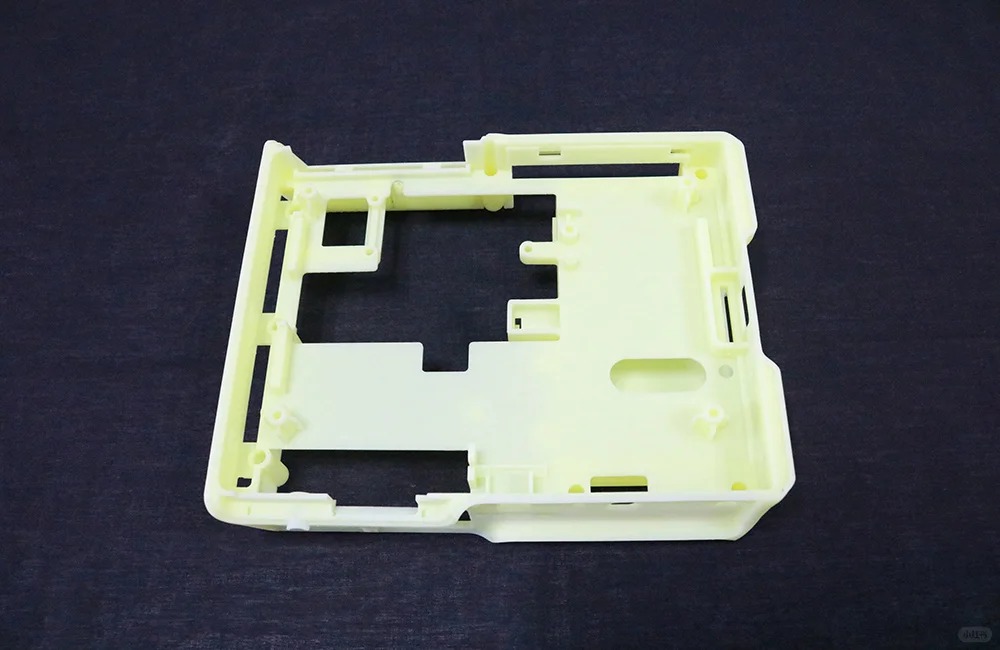
Plastic 3D Printing Technology Overview
Classification of High-Performance 3D Printing Technologies
Process | Max Temp (°C) | Surface Finish (Ra, μm) | Dimensional Tolerance (mm) | Typical Applications |
|---|---|---|---|---|
FDM | 400+ | 10–20 | ±0.15–0.30 | Aerospace-grade components, ESD covers |
SLS | 180 | 8–12 | ±0.1–0.25 | Flexible and functional structural parts |
MJF | 180 | 6–10 | ±0.1–0.20 | Tough, production-grade parts |
SLA | 120 | 1–5 | ±0.05–0.15 | High-res visual models, medical-grade testing |
Note: Temperature and dimensional values depend on material and geometry.
Process Selection Strategy
FDM: Ideal for printing ULTEM™, PEKK, or PEEK parts with thermal, mechanical, and regulatory compliance.
SLS: Best for nylon-based specialty composites requiring no support structures.
MJF: Used for small-batch production of chemical-resistant, impact-tolerant engineering components.
SLA: Suitable for biocompatible models or high-detail validation with custom resin blends.
Specialty 3D Printing Materials
Comparison of Engineering and Functional Plastics
Material | Strength (MPa) | HDT (°C) | Unique Properties | Common Applications |
|---|---|---|---|---|
PEI (ULTEM™ 9085) | ~85 | ~210 | Flame retardant, FST compliant (UL94 V-0) | Aircraft interiors, structural housings |
PEEK | ~100 | ~250 | High chemical, thermal, and fatigue resistance | Oil & gas seals, orthopedic tools, turbine parts |
Carbon Fiber Nylon | ~85 | ~150 | Lightweight, stiff, vibration-resistant | Aerospace jigs, UAVs, automotive brackets |
ESD-Safe PETG | ~45 | ~75 | Prevents static buildup in sensitive environments | PCB fixtures, sensor holders, electronics cases |
Medical-Grade Resin | ~50 | ~60 | Biocompatible, sterilizable, translucent options | Surgical guides, dental models, wearable devices |
Material Selection Strategy
PEI (ULTEM™): Preferred when parts must meet aerospace, flame, smoke, and toxicity (FST) regulations.
PEEK: Chosen for environments requiring 250 °C thermal stability, sterilization, and high wear resistance.
Carbon Fiber Nylon: Used when stiffness-to-weight ratio and dimensional accuracy under load are critical.
ESD PETG: Ideal for anti-static enclosures in electronics or cleanroom environments.
Medical Resin: Applied for contact-safe, sterilizable applications in dental, surgical, and orthotic sectors.
Case Study: PEEK and ESD-Safe PETG Parts for Electronic Enclosure Systems
Project Background
A client in the power electronics industry needed flame-resistant housings and static-dissipative covers for control modules used in high-voltage equipment enclosures.
Manufacturing Work Flow
Material Selection: PEEK for housing shells and ESD-safe PETG for circuit covers.
Design Preparation: CAD models adjusted for 2 mm wall thickness, M4 inserts, and shielded openings.
FDM Printing: Printed on enclosed-chamber, high-temp machines; 0.4 mm nozzle, 0.2 mm layer height.
Post-Processing: Supports removed manually; tapped inserts added; surfaces sanded to Ra ≈ 10 μm.
Validation Testing: Flammability and ESD resistance confirmed via ASTM D635 and ANSI/ESD STM11.11 standards.
Post Process
Dimensional Verification: Checked using precision calipers and 3D scanning within ±0.1 mm.
Conductivity Testing: ESD surfaces measured <10⁹ Ω/sq as per static dissipation specs.
Thermal Testing: Housings passed 200 °C operational test without deformation or property loss.
Results and Verification
Final assemblies met all flame-retardant and anti-static performance requirements, enabling direct field installation without secondary modifications.
Dimensional consistency was held within ±0.1 mm, and ESD performance verified in multiple points across the surface geometry.
All parts passed 48-hour thermal cycling between -40 °C and 200 °C without cracking, warping, or surface degradation.
The customer reduced part lead time from 3 weeks (machined PEEK) to 6 working days with full digital manufacturing.
FAQs
Which high-performance plastics can be used in your 3D printing service?
What certification or flame rating can your printed plastic parts meet?
Are ESD-safe or conductive materials available for sensitive applications?
Can I print PEEK or PEI parts with fine tolerances?
What’s the typical turnaround time for custom plastic functional parts?
