
Componentes de Aço Carbono Sob Medida para Petróleo e Gás Impressos em 3D
Introdução à Manufatura Aditiva em Aço Carbono para Aplicações de Petróleo e Gás
O aço carbono continua sendo um dos materiais mais utilizados na indústria de petróleo e gás devido à sua resistência, usinabilidade e custo-benefício. Com a impressão 3D, os componentes de aço carbono podem agora ser fabricados sob demanda com geometrias complexas, caminhos de fluxo otimizados e prazos de entrega reduzidos, tornando-os ideais para ferramentas, conectores, flanges e invólucros em ambientes de campo exigentes.
Na Neway Aerotech, nossos serviços de impressão 3D em aço carbono oferecem fabricação de precisão de peças sob medida para os setores de upstream, midstream e downstream, utilizando Deposição de Energia Direta (DED) e Manufatura Aditiva por Arco Elétrico com Arame (WAAM).
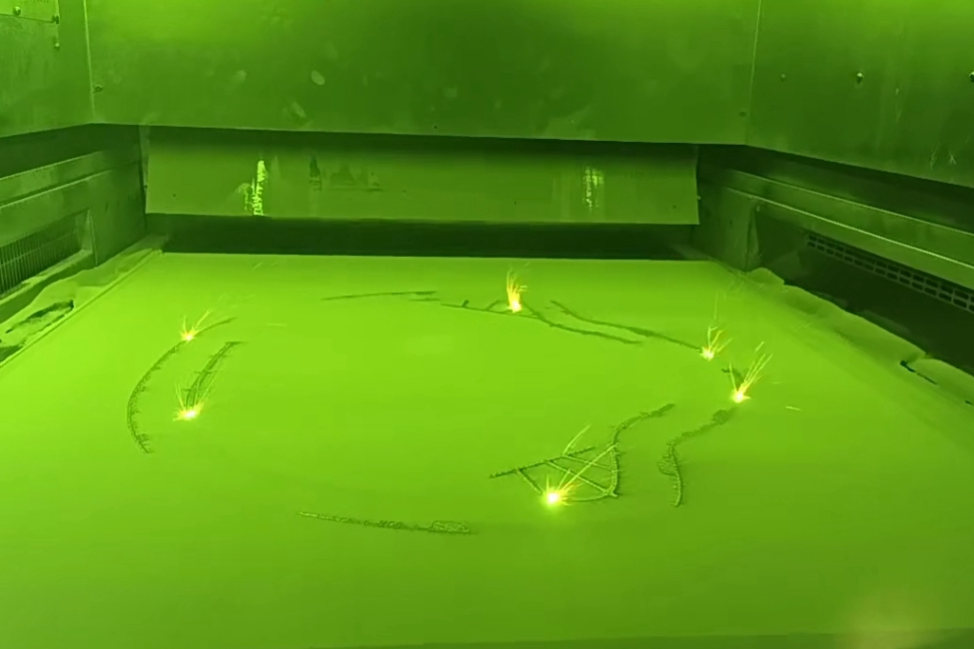
Tecnologias de Manufatura Aditiva para Componentes de Aço Carbono
Visão Geral do Processo
Tecnologia | Taxa de Deposição | Resolução de Recursos | Casos de Uso Comuns |
|---|---|---|---|
DED | 10–30 cm³/h | ±0,5 mm | Corpos de bomba, reparo de ferramentas, seções de revestimento |
WAAM | 1–4 kg/h | ±0,3 mm | Juntas estruturais, flanges de tubulação, skids |
O DED é ideal para peças pequenas a médias; o WAAM suporta grandes estruturas e construções de grau de tubulação.
Por que o Aço Carbono é Adequado para Aplicações de Petróleo e Gás
Propriedade | Valor | Benefício de Campo |
|---|---|---|
Limite de Escoamento | 250–500 MPa | Resiste a cargas de perfuração e estruturais |
Soldabilidade | Excelente | Suporta aplicações híbridas ou de reparo |
Resistência à Corrosão | Moderada com revestimentos | Pode ser tratado para serviço em ambiente ácido (sour service) |
Condutividade Térmica | ~50 W/m·K | Útil para componentes de transferência térmica |
Eficiência de Custo | Alta | Reduz o desperdício de material e o custo total do projeto |
Estratégia de Pós-Processamento e Acabamento de Superfície
Tratamento Térmico: Normalização ou têmpera para melhorar a tenacidade e a resistência ao desgaste.
Usinagem CNC: Aplicada a superfícies de vedação, roscas e flanges de acoplamento.
Revestimentos:
Tinta epóxi ou rica em zinco para resistência à corrosão externa.
Nitretação ou cementação para endurecimento superficial.
Testes: Inspeção dimensional por máquina de medir por coordenadas (CMM) e testes de pressão para características funcionais.
Estudo de Caso: Corpo de Válvula Personalizado em Aço Carbono para Sistema Skid de Campo de Petróleo
Contexto do Projeto
Um cliente de upstream de campo de petróleo necessitava de um corpo de válvula de substituição com orientação de porta revisada para um sistema de controle de fluido montado em skid. O prazo de entrega e a complexidade geométrica tornavam inviáveis a fundição e usinagem tradicionais.
Fluxo de Trabalho de Fabricação
Design: O modelo STL incluía realinhamento do caminho de fluxo interno e geometria de saída angulada.
Material: Arame de aço carbono grau ASTM A216, Ø1,6 mm para WAAM.
Impressão: Deposição WAAM em braço robótico, tempo de construção de 6 horas.
Pós-Processamento:
Tratado termicamente a 880°C por 2 horas.
Superfícies de montagem e roscas usinadas com tolerância de ±0,02 mm.
END usando inspeção ultrassônica e teste por líquidos penetrantes.
Teste Final: Teste hidrostático a 2× a pressão de serviço (32 bar).
Resultados e Verificação
O corpo de válvula de aço carbono impresso atendeu a todos os critérios funcionais, reduzindo o prazo de entrega de 5 semanas para 6 dias. A geometria impressa melhorou a eficiência do fluxo em 12%, e o componente passou em todos os testes de validação de pressão e dimensionais sem falhas.
Perguntas Frequentes (FAQs)
Os componentes de aço carbono impressos em 3D podem suportar condições de serviço em ambiente ácido (sour service) em campos de petróleo?
Quais são as opções de pós-tratamento para melhorar a resistência à corrosão?
O WAAM é adequado para conexões de tubulação de grande diâmetro e flanges?
Componentes legados de aço carbono podem ser reparados usando manufatura aditiva?
Qual é o tempo de turnaround para peças aditivas personalizadas em aço carbono?
