
Fabricação Aditiva de Componentes Energéticos Personalizados em Aço Inoxidável 17-4 PH
Introdução ao Aço Inoxidável 17-4 PH para Aplicações Energéticas
O 17-4 PH é um aço inoxidável endurecível por precipitação que combina alta resistência, resistência à corrosão e excelente estabilidade dimensional. Estas propriedades tornam-no ideal para componentes de alto desempenho no setor energético, incluindo sistemas de turbinas, equipamentos de perfuração, trocadores de calor e conjuntos hidráulicos.
Na Neway Aerotech, os nossos serviços de impressão 3D em aço inoxidável utilizam Fusão Seletiva a Laser (SLM) e Sinterização Direta de Metal a Laser (DMLS) para fornecer peças personalizadas em 17-4 PH com prazos de entrega curtos, desperdício mínimo de material e eficiência de conformação líquida.
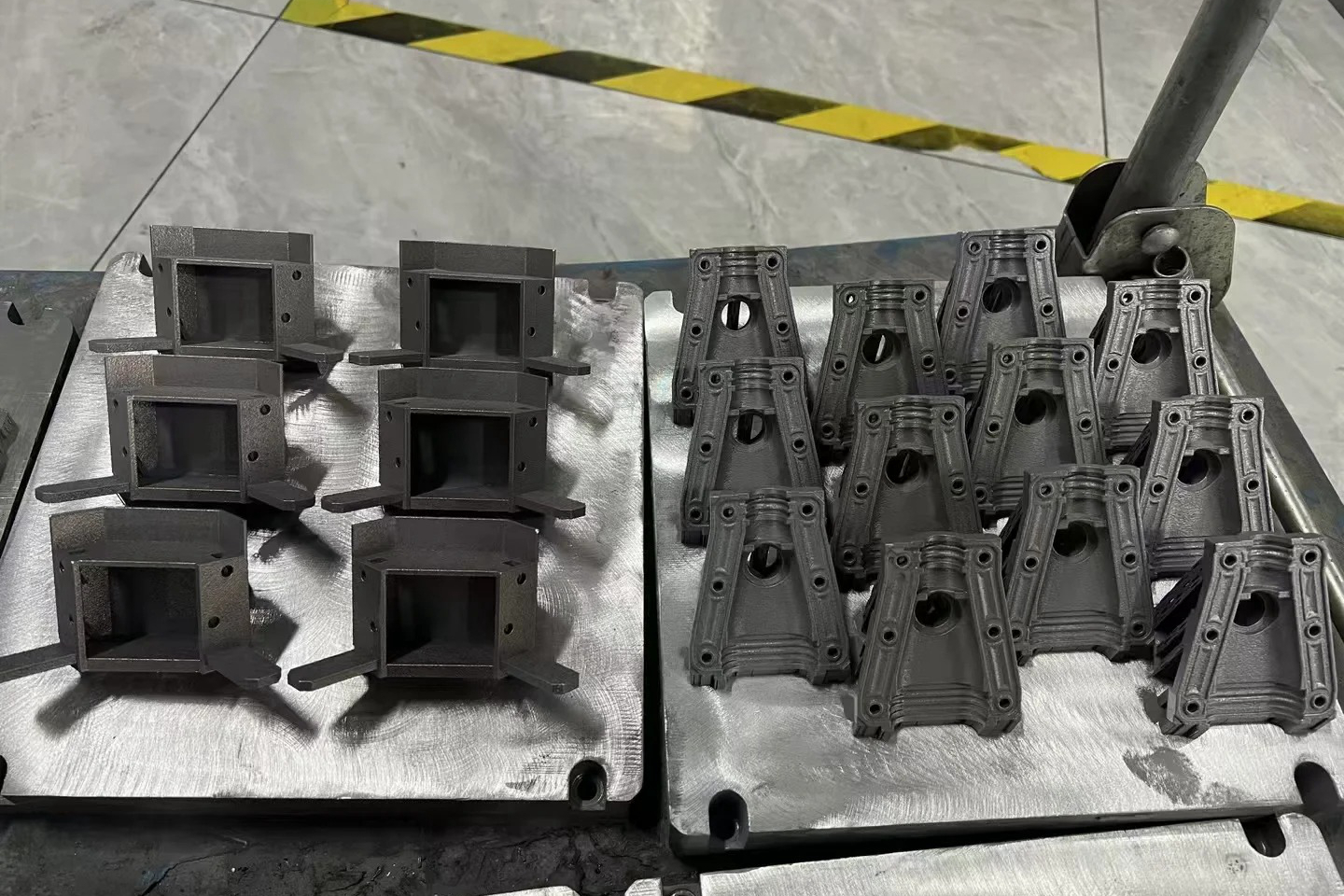
Capacidades de Fabrico Aditivo para 17-4 PH
Parâmetros do Processo SLM e DMLS
Parâmetro | Valor | Relevância para a Aplicação |
|---|---|---|
Espessura da Camada | 30–50 μm | Alta resolução para componentes metálicos funcionais |
Rugosidade Superficial | Ra 6–12 μm (como impresso) | O pós-processamento melhora o desempenho à fadiga |
Tolerância (como impresso) | ±0,05 mm | Mantém ajustes precisos e alinhamento |
Atmosfera de Construção | Árgon Inerte | Previne a oxidação e garante consistência metalúrgica |
Tratamento Térmico | H900, H1025, H1150 | Adaptado para requisitos de resistência ou tenacidade |
Por Que Utilizar 17-4 PH no Setor Energético
Propriedade | Valor | Benefício para Componentes Energéticos |
|---|---|---|
Resistência Máxima à Tração | 1100–1300 MPa | Suporta cargas elevadas em turbinas e válvulas |
Limite de Escoamento | ~1000 MPa | Mantém a estabilidade dimensional em zonas de pressão |
Resistência à Corrosão | Excelente em ambientes com cloretos, gases e vapor | Reduz o tempo de inatividade para manutenção |
Temperabilidade por Envelhecimento | Ajustável via pós-processo | Equilibra ductilidade e dureza com base no caso de uso |
Soldabilidade | Boa | Permite integração híbrida e união estrutural |
Estratégia de Pós-Processamento e Acabamento
Tratamento Térmico:
H900 para máxima resistência
H1025 ou H1150 para maior tenacidade em ambientes sujeitos a ciclos de tensão
HIP: Aplicado em componentes críticos propensos à fadiga
Usinagem CNC: Interfaces roscadas, faces de vedação, portas de válvulas
Passivação: Melhora a resistência à corrosão em ambientes fluidos
Estudo de Caso: Fabricação Aditiva de Bloco Múltiplo Hidráulico em 17-4 PH
Contexto do Projeto
Um cliente de geração de energia necessitava de um bloco múltiplo hidráulico compacto com múltiplos canais internos, portas de pressão e envelope espacial limitado. A fresagem tradicional exigia conjuntos de várias partes com risco de pontos de vazamento e prazo de entrega prolongado.
Fluxo de Trabalho de Fabrico
Design: Modelo monolítico com seis portas roscadas, reforços de treliça internos e furos de montagem integrados.
Material: Pó certificado 17-4 PH, D50 ~35 μm, atomizado a árgon.
Impressão: SLM com camadas de 40 μm em câmara de árgon.
Pós-Processamento:
Envelhecimento H900 para alta resistência
HIP e polimento superficial para caminhos de fluxo internos
Usinagem CNC nas faces de vedação
Validação:
Inspeção por MMC para precisão dimensional
Teste de estanqueidade a 2× a pressão de serviço (12 MPa)
Resultados e Verificação
O bloco múltiplo em 17-4 PH impresso reduziu o peso em 25%, eliminou quatro interfaces de vedação e foi entregue em 6 dias úteis. O teste de tração após H90 confirmou uma resistência de 1270 MPa, e o teste de fluxo verificou uma queda de pressão mínima nos caminhos internos.
Perguntas Frequentes (FAQs)
Qual é a diferença entre os tratamentos térmicos H900 e H1150 para peças em 17-4 PH?
As peças aditivas em 17-4 PH podem ser utilizadas em ambientes de gás ácido ou vapor?
Quais geometrias de canais internos são alcançáveis com impressão 3D?
As peças impressas em 17-4 PH requerem HIP para aplicações de pressão?
Quais certificações estão disponíveis para peças impressas em 3D na indústria energética?
