Quais medidas de controle de qualidade são utilizadas para inspecionar acessórios do sistema de frei...
Verificação de Material e Análise Química
O controle de qualidade começa com a confirmação da composição da liga. Testes e análises de materiais avançados garantem que elementos como Ni, Co, Cr, Mo e W atendam às faixas de especificação. Isso evita desvios de desempenho em ambientes de frenagem de alta tensão. Para ligas de metalurgia do pó, como FGH97, a distribuição do tamanho das partículas e o teor de oxigênio são cuidadosamente monitorados para garantir o desempenho à fadiga.
Inspeção Dimensional e Validação de Tolerância
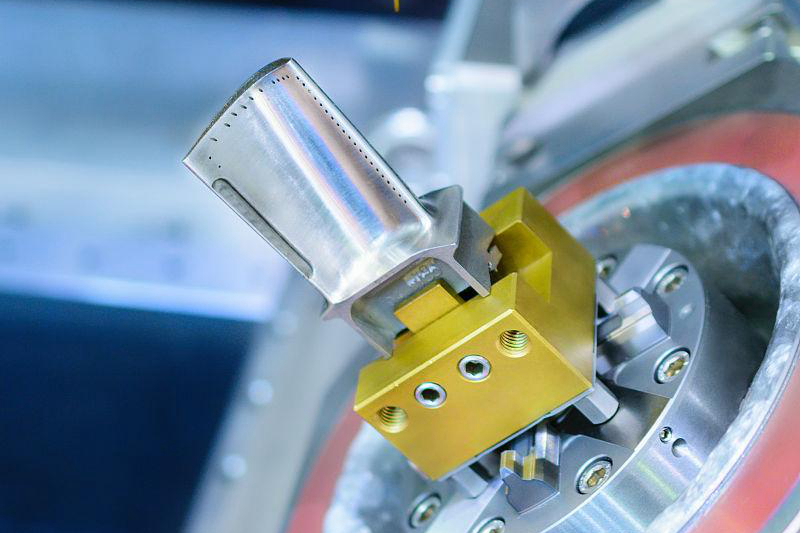
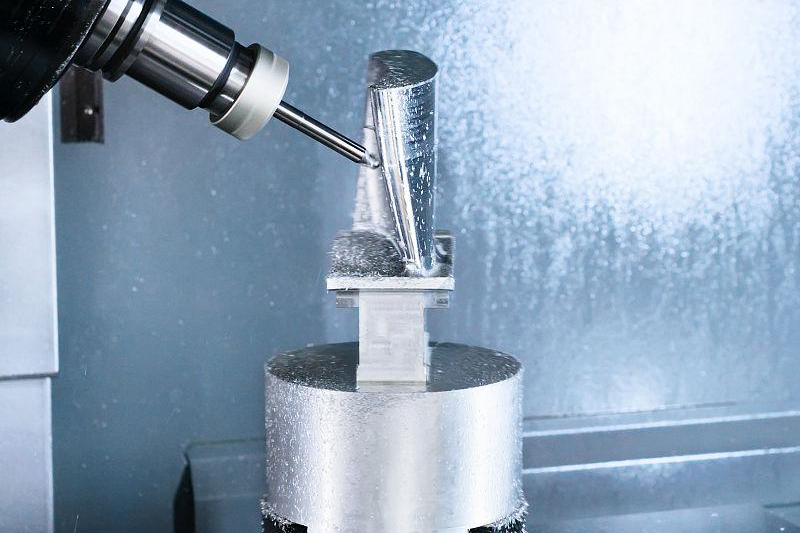
Acessórios de freio de superliga exigem precisão dimensional rigorosa para garantir vedação, alinhamento e ajuste mecânico durante a frenagem de alta carga. Medições CMM, varredura a laser e medição funcional são comumente usadas. O formato final é alcançado por meio de usinagem CNC de superliga de precisão, garantindo compatibilidade de montagem em aplicações aeroespaciais e automotivas.
Detecção de Defeitos e Integridade Estrutural
Porosidade interna e microtrincas podem reduzir significativamente a confiabilidade da frenagem. Componentes pós-fundição ou de manufatura aditiva são inspecionados usando varredura de raios-X, ensaios ultrassônicos e inspeção por líquidos penetrantes. Se necessário, métodos de consolidação como prensagem isostática a quente (HIP) são aplicados para fechar defeitos e melhorar a resistência à fadiga, especialmente em elementos rotativos ou de alta tensão.
Avaliação de Superfície e Resistência ao Desgaste
Componentes sujeitos a atrito por deslizamento ou alta pressão superficial devem ser testados quanto à resistência ao desgaste e à corrosão. Testes de dureza, avaliação tribológica e testes de névoa salina são usados para simular condições reais de serviço. Para zonas de calor extremo, camadas protetoras como revestimento de barreira térmica (TBC) são verificadas quanto à adesão, espessura e cobertura uniforme.
Validação Regulatória e da Indústria
Componentes de freio usados em aplicações aeroespaciais, marítimas e de defesa devem atender a regulamentos rigorosos. Procedimentos completos de certificação são implementados para cumprir os padrões das indústrias aeroespacial e de aviação e militar e de defesa. Avaliação não destrutiva, testes de fadiga e documentação de rastreabilidade garantem desempenho seguro e repetível em todos os lotes.