Como os métodos de ensaio não destrutivo detectam defeitos em acessórios de sistemas de transporte?
Introdução
O ensaio não destrutivo (END) desempenha um papel crucial na garantia da integridade e confiabilidade dos componentes do sistema de transporte. Esses componentes—como eixos, acoplamentos, roletes e estruturas—são frequentemente submetidos a carregamento dinâmico, abrasão e ciclagem térmica. O END permite que os engenheiros identifiquem falhas internas ou superficiais sem danificar as peças, garantindo desempenho consistente e segurança durante a produção e operação.
Principais Técnicas de Ensaio Não Destrutivo
Vários métodos de END são empregados dependendo do material e do tipo de defeito sendo inspecionado:
Ensaio por Ultrassom (UT) – ondas sonoras de alta frequência detectam descontinuidades subsuperficiais. Esta técnica é amplamente aplicada a ligas densas produzidas por Fundição por Cera Perdida a Vácuo e Forjamento de Precisão de Superliga.
Ensaio Radiográfico (RT) – raios-X ou raios gama visualizam vazios internos e trincas, ideais para Discos de Turbina de Metalurgia do Pó ou peças fundidas complexas.
Inspeção por Partículas Magnéticas (MPI) – detecta defeitos superficiais e subsuperficiais em componentes ferromagnéticos, como suportes ou roletes fabricados via Fundição por Cera Perdida de Aço Especial.
Ensaio por Correntes Parasitas (ECT) – identifica microtrincas e corrosão em materiais condutores como Inconel 625.
Ensaio por Líquidos Penetrantes (PT) – evidencia falhas superficiais em materiais não porosos, comumente usado para acessórios de alumínio ou Liga de Titânio.
Cada método é escolhido com base no tipo de defeito, composição do material e geometria do componente.
Papel do END no Fluxo de Trabalho de Fabricação
Na produção avançada de acessórios de transporte, o END é integrado em várias etapas:
Durante a fundição ou impressão de ligas de alto desempenho via Impressão 3D de Superliga, o END garante que não existam porosidade ou delaminação de camadas.
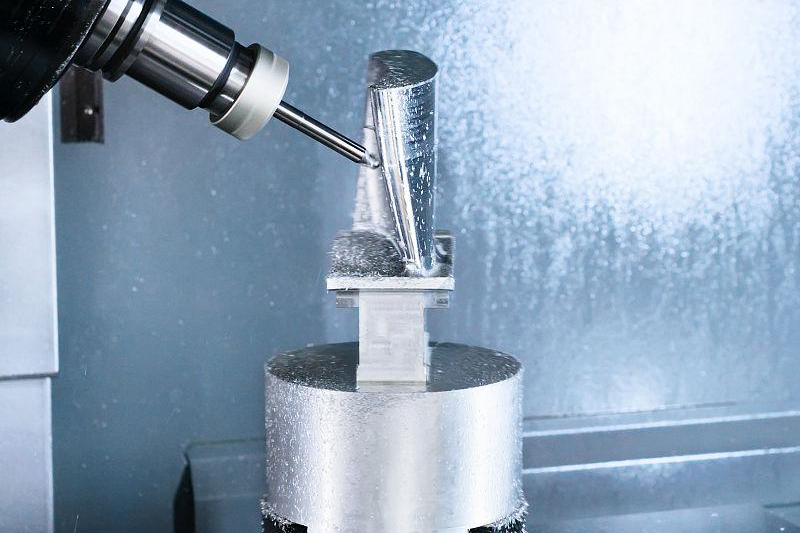
Antes do acabamento final através de Usinagem CNC de Superliga, as inspeções verificam a consistência da estrutura interna.
Após processos de pós-tratamento, como Prensagem Isotérmica a Quente (HIP) e Tratamento Térmico, o END confirma a remoção de defeitos e a homogeneização estrutural.
Uma Análise e Teste de Materiais abrangente acompanha os resultados do END para garantir conformidade mecânica com os padrões operacionais.
Materiais Adequados para Avaliação por END
Os acessórios do sistema de transporte são tipicamente feitos de metais e ligas de alta resistência que requerem avaliação precisa de defeitos:
Hastelloy C-22 – para resistência à corrosão sob exposição química.
Stellite 6B – requer monitoramento de trincas superficiais após revestimento duro.
Nimonic 90 – para componentes críticos de fadiga em acionamentos de transportadores.
Aço Inoxidável 316L – examinado quanto a porosidade e inclusões em sistemas de grau alimentício.
Ti-6Al-4V (TC4) – inspecionado quanto a microtrincas após usinagem ou tensão térmica.
Esses materiais, embora mecanicamente robustos, beneficiam-se da detecção em estágio inicial de anomalias internas ou superficiais para garantir confiabilidade de longo prazo.
Aplicações Industriais do END em Sistemas de Transporte
O END apoia a entrega de componentes livres de defeitos em várias indústrias:
Automotiva – garante a segurança contra fadiga de engrenagens e roletes.
Mineração – detecta inclusões ou microtrincas em peças de serviço pesado.
Farmacêutica e Alimentícia – confirma limpeza superficial e integridade estrutural para transportadores higiênicos.
Ao integrar métodos não destrutivos, os fabricantes minimizam o tempo de inatividade e mantêm altos níveis de garantia de qualidade.
Conclusão
O ensaio não destrutivo é indispensável para acessórios de sistemas de transporte, garantindo segurança, durabilidade e conformidade sem prejudicar a usabilidade. Ao combinar ensaios por ultrassom, radiográfico e por correntes parasitas com tecnologias avançadas de fundição, usinagem e pós-processamento, os fabricantes alcançam componentes livres de defeitos que desempenham consistentemente sob alto estresse operacional.