Ti-13V-11Cr-3Al (TC11)
Introdução ao Material
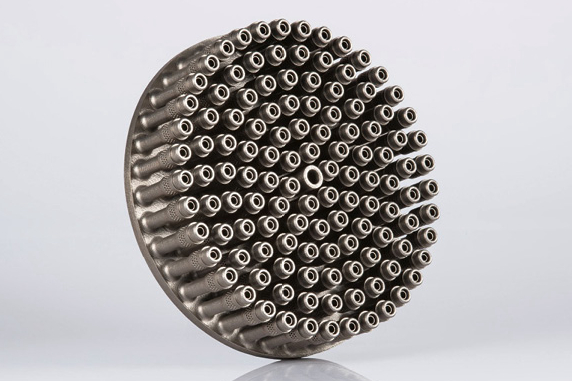
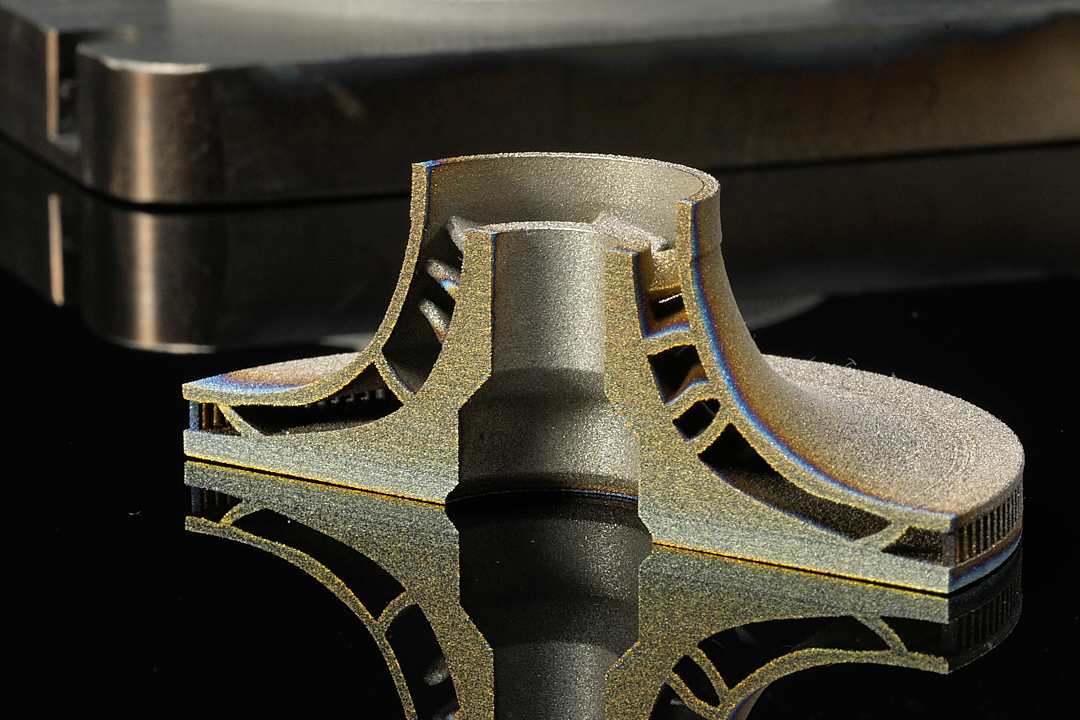
O Ti-13V-11Cr-3Al (TC11) é uma liga de titânio de alta resistência e alto desempenho, desenvolvida para aplicações exigentes nas indústrias aeroespacial, energética e de defesa. Como uma liga de titânio beta metaestável, o TC11 oferece excelente temperabilidade, ótima conformabilidade e uma relação resistência-peso superior. Quando processado através de sistemas avançados de manufatura aditiva, como a impressão 3D de superligas dedicada da Neway AeroTech e a impressão 3D de titânio industrial, o TC11 permite a produção de peças leves e estruturalmente eficientes com canais internos complexos e geometrias aerodinâmicas otimizadas. Sua excepcional resistência à fadiga, estabilidade térmica e desempenho contra corrosão tornam-no adequado para componentes de motores aeroespaciais, estruturas de fuselagem, conjuntos de conversão de energia e suportes de alta carga que requerem durabilidade a longo prazo sob tensões térmicas e mecânicas variáveis.
Nomes Internacionais ou Graus Representativos
País/Região | Nome Comum | Graus Representativos |
|---|---|---|
EUA | Ti-13V-11Cr-3Al | TC11 |
Europa | Liga de Titânio Beta | BTi-13-11-3 |
Japão | Liga de Titânio de Alta Resistência | Ti-13V-11Cr-3Al |
China | Liga de Titânio TC11 | TC11 |
Indústria Aeroespacial | Liga Estrutural de Titânio Beta | Ti-13-11-3 |
Opções de Materiais Alternativos
Dependendo dos requisitos de desempenho e ambientais, vários materiais de titânio e de alta temperatura servem como alternativas. Para um equilíbrio entre resistência e resistência à corrosão, o Ti-6Al-4V (TC4) permanece uma opção amplamente utilizada para componentes aeroespaciais e médicos. Quando se requer maior tenacidade à fratura ou melhor biocompatibilidade, o Ti-6Al-4V ELI é uma escolha adequada. Para aplicações que exigem maior resistência a temperaturas elevadas, ligas beta como a Beta C e a Ti-5553 oferecem estabilidade mecânica aprimorada em temperaturas elevadas. Para condições extremas de calor e oxidação, ligas à base de níquel como a Inconel 718 ou ligas de cobalto de alta resistência como a Stellite 21 proporcionam superior endurance térmica. Essas alternativas garantem flexibilidade na seleção de materiais que atendam às restrições de desempenho, custo e ambiente operacional.
Propósito do Design
O TC11 foi originalmente projetado para fornecer uma liga de titânio capaz de manter resistência excepcional e estabilidade à fadiga em temperaturas intermediárias, melhorando simultaneamente a usinabilidade em comparação com as ligas alfa-beta. O equilíbrio cuidadoso da liga entre vanádio, cromo e alumínio estabiliza a fase beta, permitindo maior conformabilidade a frio, tratabilidade térmica e soldabilidade. Na manufatura aditiva, essa intenção de design evolui para a criação de componentes leves e topologicamente otimizados que resistem a cargas mecânicas, ciclos térmicos e ambientes operacionais corrosivos, permitindo aos designers reduzir a massa sem comprometer o desempenho estrutural.
Composição Química (Faixa Típica)
Elemento | Composição (%) |
|---|---|
Titânio (Ti) | Equilíbrio |
Vanádio (V) | 13 |
Cromo (Cr) | 11 |
Alumínio (Al) | 3 |
Ferro (Fe) | ≤ 0,3 |
Oxigênio (O) | ≤ 0,15 |
Carbono (C) | ≤ 0,05 |
Nitrogênio (N) | ≤ 0,05 |
Propriedades Físicas
Propriedade | Valor |
|---|---|
Densidade | ~4,65 g/cm³ |
Ponto de Fusão | ~1660°C |
Condutividade Térmica | 7–10 W/m·K |
Resistividade Elétrica | ~1,7 μΩ·m |
Capacidade Calorífica Específica | ~540 J/kg·K |
Propriedades Mecânicas
Propriedade | Valor Típico |
|---|---|
Resistência à Tração | 1100–1250 MPa |
Limite de Escoamento | 980–1100 MPa |
Alongamento | 8–12% |
Dureza | 38–42 HRC |
Resistência à Fadiga | Alta endurance à fadiga |
Características Principais do Material
Resistência muito alta e excelente relação resistência-densidade para componentes estruturais aeroespaciais
Resistência superior à fadiga sob carregamento cíclico e tensão dinâmica
Conformabilidade excepcional para uma liga de titânio beta metaestável
Excelente resposta ao tratamento térmico para ajuste do desempenho mecânico
Alta resistência à oxidação e corrosão em condições aeroespaciais e industriais
Microestrutura estável em faixas de temperatura média, ideal para componentes de energia e aviação
Excelente compatibilidade com manufatura aditiva, permitindo paredes finas e geometrias complexas
Boa soldabilidade e usinabilidade após fusão seletiva a laser
Alta tenacidade à fratura adequada para partes críticas de suporte de carga
Desempenho robusto em designs leves e topologicamente otimizados
Usinabilidade em Diferentes Processos
Manufatura aditiva: A fusão em leito de pó permite a fabricação precisa de estruturas leves e de alta resistência; otimizada através da impressão 3D de titânio especializada da Neway.
Usinagem CNC: Ligas de titânio beta requerem parâmetros de corte controlados, suportados por capacidades avançadas de usinagem CNC de superligas.
EDM: Compatível com conformação de precisão através de EDM de superligas para canais complexos e geometrias de difícil acesso.
Furação profunda: Desempenho estável sob carga térmica quando processado usando soluções especializadas de furação profunda.
Tratamento térmico: Responde bem ao envelhecimento em múltiplos estágios e tratamento de solução através de processos engenheirados de tratamento térmico de superligas.
Fundição de precisão a vácuo: Embora não seja comumente utilizado, certas formas de titânio beta podem ser alinhadas com os princípios de fundição de ligas de titânio.
Soldagem: Composição estabilizada beta suporta união de alta qualidade sob parâmetros controlados utilizando soldagem de superligas.
Métodos de Pós-Processamento Adequados
Prensagem Isostática a Quente (HIP) via HIP para eliminar porosidade e melhorar o desempenho à fadiga
Tratamento térmico em múltiplos estágios para atingir resistência, ductilidade e tenacidade alvo
Usinagem de superfície para precisão dimensional em estruturas aeroespaciais
Polimento e acabamento para reduzir a rugosidade superficial em componentes de suporte de carga
Avaliação não destrutiva utilizando testes de materiais avançados
Limpeza química e mecânica para remoção de pó após manufatura aditiva
Jateamento com granalha ou fortalecimento de superfície para melhorar o desempenho à fadiga
Indústrias e Aplicações Comuns
Fixadores, suportes e conectores estruturais aeroespaciais
Longarinas de carga de aeronaves, quadros e ligações de alta tensão
Componentes de turbinas do setor energético e peças resistentes à pressão
Conjuntos estruturais leves para defesa e militar
Componentes de automobilismo que exigem alta resistência e baixa massa
Máquinas industriais que requerem soluções de titânio resistentes à fadiga
Quando Escolher Este Material
Quando é necessário desempenho extremamente alto de resistência e resistência à fadiga
Quando uma liga de titânio leve é necessária para estruturas aeroespaciais ou energéticas
Quando os componentes experimentam condições de serviço em temperatura média com carregamento cíclico
Quando geometrias otimizadas topologicamente ou de parede fina devem ser produzidas através de manufatura aditiva
Quando é necessária melhor conformabilidade e tratabilidade térmica em comparação com ligas de titânio alfa-beta
Quando a redução de peso é crítica sem comprometer a capacidade de carga
Quando ambientes corrosivos ou oxidantes exigem estabilidade estrutural a longo prazo
Quando a soldabilidade e propriedades mecânicas estáveis são essenciais para conjuntos de alta precisão
Explorar blogs relacionados