Ácido Polilático (PLA)
Introdução ao Material
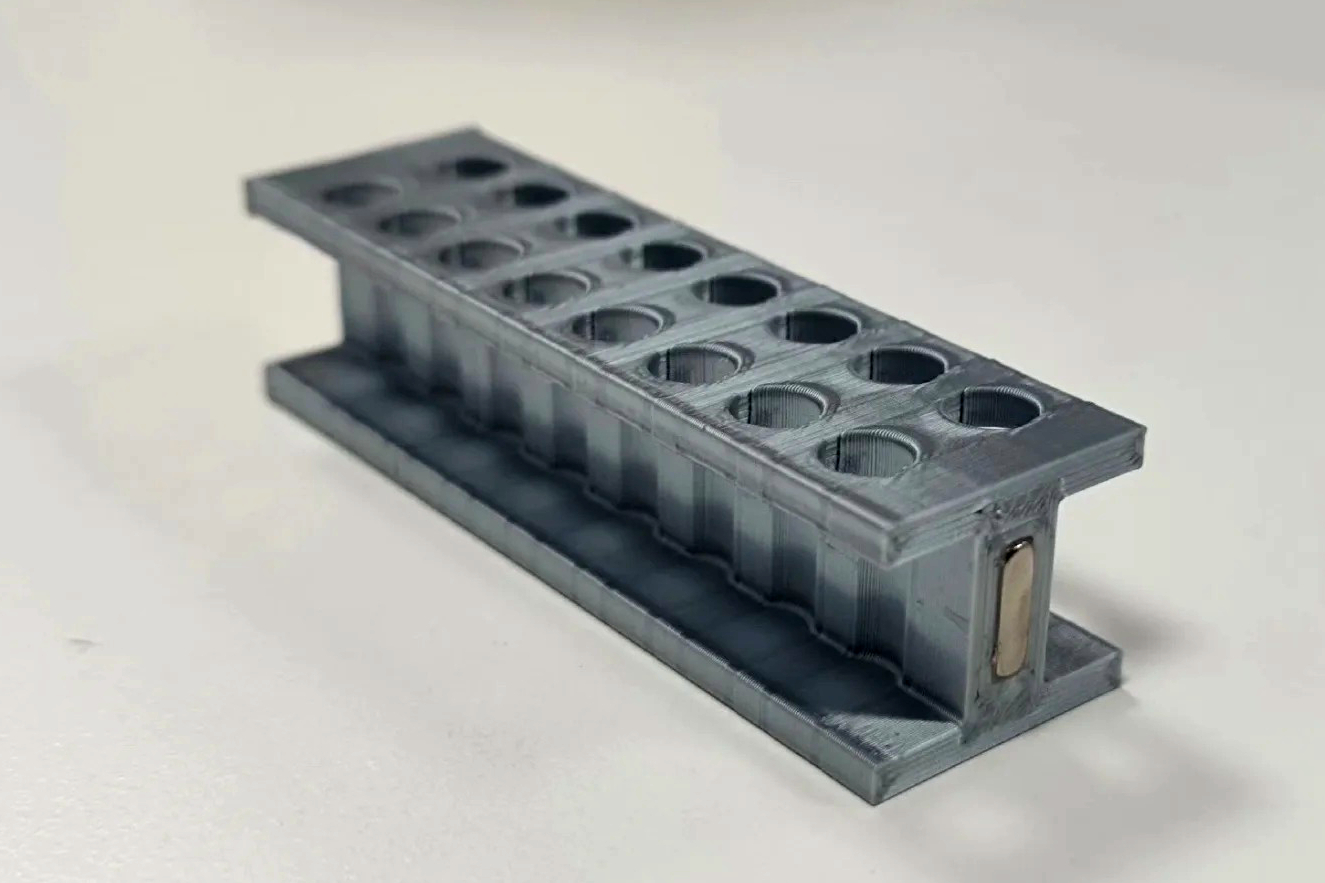
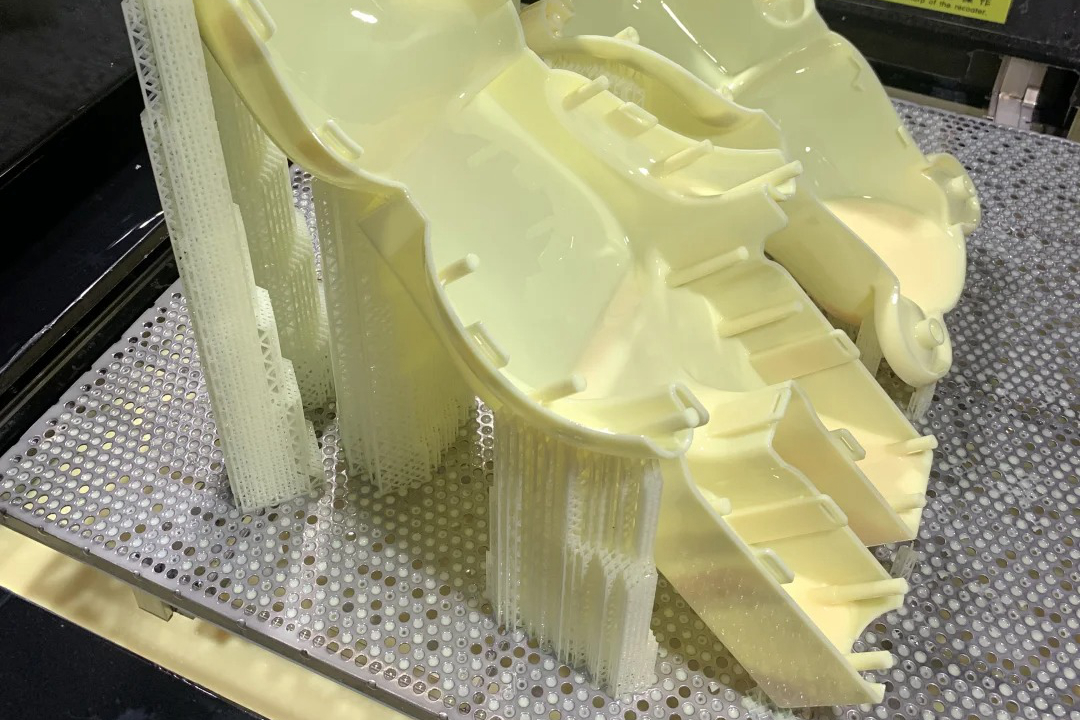
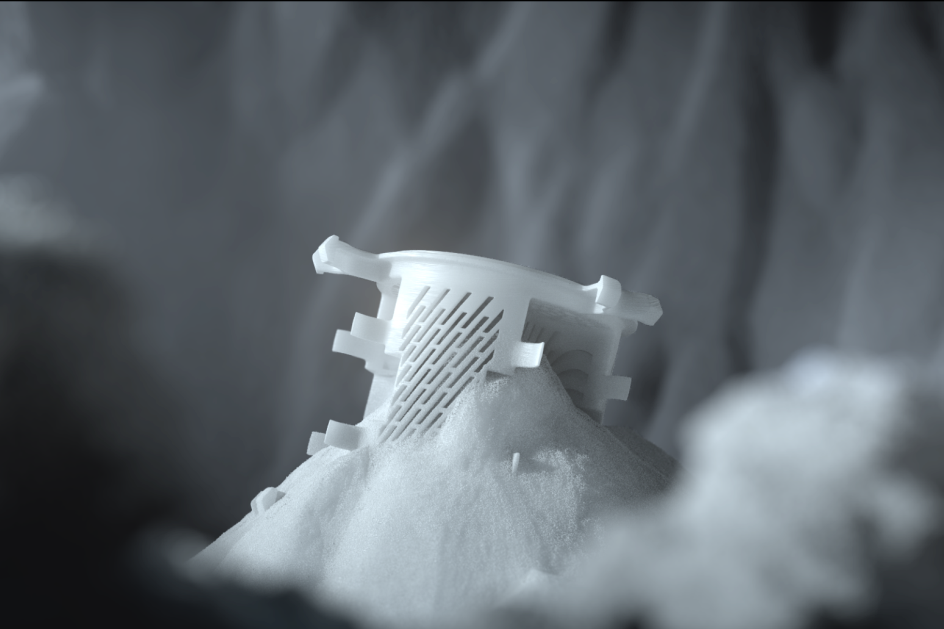
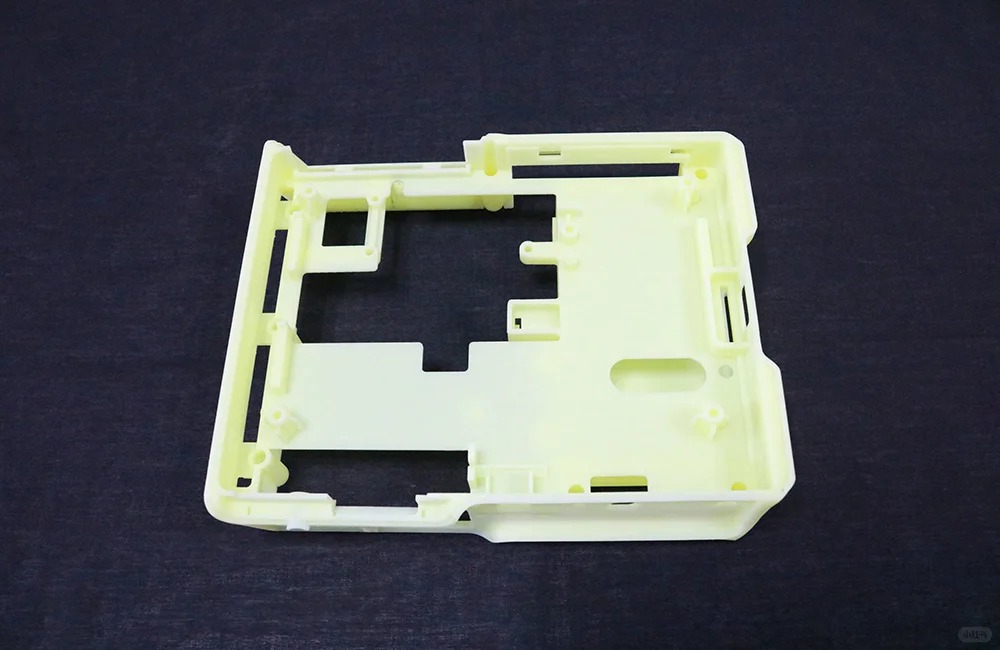
O Ácido Polilático (PLA) é um termoplástico biodegradável derivado de recursos renováveis, como amido de milho e cana-de-açúcar. É um dos materiais mais utilizados na manufatura aditiva de polímeros em ambientes domésticos e industriais devido à sua excelente imprimibilidade, baixa deformação e características ecológicas. O PLA é conhecido pela facilidade de extrusão, boa rigidez e capacidade de alcançar acabamentos superficiais limpos e detalhados, tornando-o ideal para prototipagem, modelos visuais, ferramentas educacionais e componentes funcionais de baixa carga. Através da avançada impressão 3D em PLA da Neway AeroTech, o material oferece precisão dimensional excepcional e capacidades de fabricação rápida. Embora o PLA não seja destinado a uso mecânico de alta temperatura ou pesado, sua versatilidade, sustentabilidade e eficiência de custos tornam-no um material fundamental para o desenvolvimento de design, testes de produtos em fase inicial e fluxos de trabalho de engenharia de iteração rápida.
Nomes Internacionais ou Graus Representativos
Região | Nome Comum | Graus Representativos |
|---|---|---|
EUA | PLA | PLA 4032D, PLA 4043D |
Europa | Termoplástico Biodegradável | PLA, Série Ingeo |
Japão | Bio-poliéster | PLA |
China | 聚乳酸 (PLA) | PLA Geral, PLA Modificado |
Classificação Industrial | Termoplástico de Consumo | PLA Padrão, PLA Resistente, PLA de Alto Fluxo |
Opções de Materiais Alternativos
Para aplicações que exigem maior resistência mecânica ou térmica, termoplásticos de engenharia como Nylon (PA) e Policarbonato (PC) oferecem desempenho estrutural mais forte. Quando é necessária maior durabilidade química ou resistência ao impacto, alternativas como ABS ou PETG oferecem maior tenacidade. Componentes flexíveis podem ser produzidos com elastômeros como TPU, enquanto protótipos de alta precisão com superfícies lisas podem utilizar resinas fotopoliméricas. Para aplicações de alto desempenho que requerem resistência à temperatura, resistência ao desgaste ou resistência de nível aeroespacial, plásticos de alto desempenho como PEEK oferecem capacidades de engenharia excepcionais. Essas alternativas permitem aos designers combinar as propriedades do material com requisitos técnicos e ambientais.
Propósito de Design
O PLA foi originalmente desenvolvido para fornecer um termoplástico ecologicamente correto que pudesse ser compostável industrialmente, fácil de processar e econômico para uso em massa. Sua baixa temperatura de fusão e excelentes características de fluxo tornam-no ideal para manufatura educacional, prototipagem rápida e experimentação com produtos de consumo. Na impressão 3D, seu propósito de design expande-se para modelagem rápida, protótipos visuais dimensionalmente estáveis e componentes estéticos com superfície limpa. O PLA permite que designers e engenheiros iterem rapidamente conceitos de design sem o custo ou complexidade associados a materiais de engenharia de maior desempenho.
Composição Química (Típica)
Componente | Conteúdo |
|---|---|
Polímero de Ácido Polilático | ≥ 95% |
D-Lactídeo | 1–5% |
Aditivos | Pequenas quantidades (corantes, estabilizadores) |
Propriedades Físicas
Propriedade | Valor |
|---|---|
Densidade | 1,20–1,25 g/cm³ |
Temperatura de Transição Vítrea | ~55–65°C |
Temperatura de Fusão | 150–170°C |
Condutividade Térmica | ~0,13 W/m·K |
Absorção de Água | Baixa |
Propriedades Mecânicas
Propriedade | Valor |
|---|---|
Resistência à Tração | 50–70 MPa |
Resistência à Flexão | 70–110 MPa |
Alongamento na Ruptura | 3–10% |
Dureza | Shore D 75–85 |
Resistência ao Impacto | Moderada |
Características Principais do Material
Excelente imprimibilidade com mínima deformação ou encolhimento
Derivado de fontes renováveis e biodegradáveis
Produz superfícies lisas e estéticas ideais para modelos visuais
Boa rigidez para peças funcionais de baixa carga
Baixo odor e seguro para operação interna
Alta precisão dimensional adequada para protótipos detalhados
Ampla disponibilidade de cores e pós-processamento fácil
Velocidades de impressão rápidas para ambientes de prototipagem rápida
Não adequado para altas temperaturas; ocorre deformação acima de 55–60°C
Frágil em comparação com plásticos de engenharia, limitando o uso pesado
Manufaturabilidade em Diferentes Processos
Manufatura aditiva: Amplamente utilizado em extrusão FDM/FFF e compatível com impressão 3D de termoplásticos.
Impressão multimaterial: Utilizando polímeros flexíveis como TPU para criar designs híbridos.
Aplicações de prototipagem: Funciona excepcionalmente bem para modelos conceituais e iterações de produtos em fase inicial.
Usinagem CNC: O PLA pode ser usinado em baixas velocidades para acabamento ou ajustes de tolerância.
Transição para moldes: O PLA ajuda a validar geometrias antes da transição para plásticos injetados.
Alternativas de resina: Quando são necessários detalhes mais finos, a resina padrão pode substituir o PLA para superfícies mais lisas.
Não adequado para fabricação de alta temperatura, ambientes de alta carga ou aplicações de ciclagem térmica.
Métodos de Pós-Processamento Adequados
Lixamento ou polimento para bordas e acabamento mais lisos
Pintura ou revestimento para modelos visuais
Alisamento a vapor não é tipicamente utilizado; o acabamento mecânico é preferido
Recozimento térmico para melhorar a rigidez e a resistência à temperatura
Corte, perfuração ou rosqueamento para melhorias na montagem
Inspeção dimensional através de teste e análise de materiais, conforme necessário
Alisamento químico possível com solventes selecionados, mas raramente necessário
Colagem de montagem com adesivos formulados para substratos poliméricos
Indústrias e Aplicações Comuns
Design de produtos em fase inicial, modelagem e visualização
Prototipagem de bens de consumo e componentes decorativos
Ferramentas educacionais e projetos de manufatura em sala de aula
Amostras estruturais de baixa carga e designs conceituais de engenharia
Modelos arquitetônicos e instalações artísticas
Caixas para robótica, dispositivos e estruturas leves
Modelos de treinamento médico e protótipos de visualização
Quando Escolher Este Material
Quando é necessária prototipagem de baixo custo e entrega rápida
Quando modelos visuais ou peças de validação de design são o objetivo principal
Quando componentes leves e de baixa temperatura são adequados
Quando é preferido um material ecológico e biodegradável
Quando a precisão dimensional e a qualidade estética da superfície são mais importantes do que a resistência mecânica
Quando é necessária iteração rápida durante os ciclos de desenvolvimento de produtos
Ao produzir modelos de demonstração, ferramentas de ensino e protótipos em fase inicial
Quando se deseja imprimir peças grandes com mínima deformação ou tensão térmica
Explorar blogs relacionados