Aço para Ferramentas
Introdução ao Material
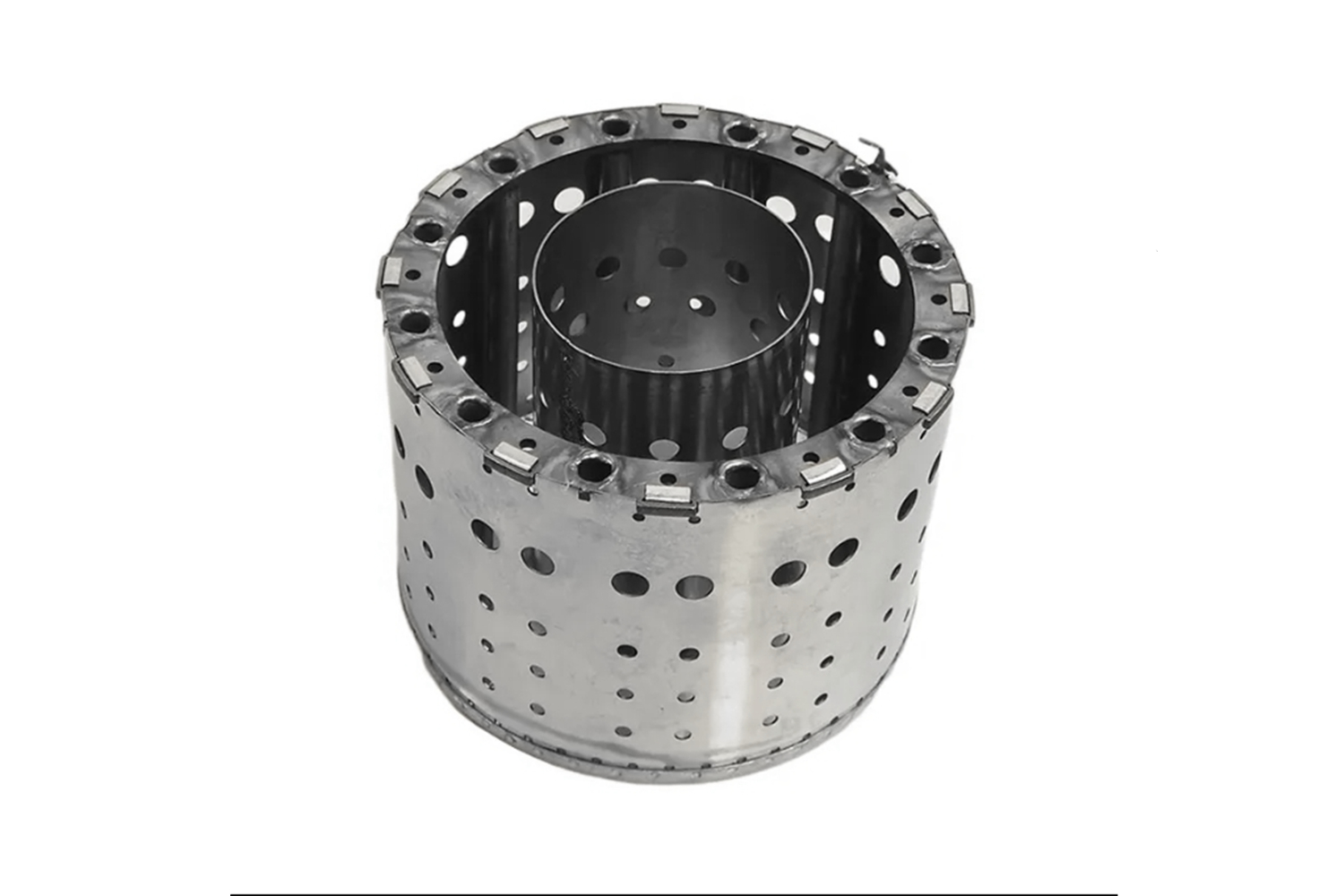
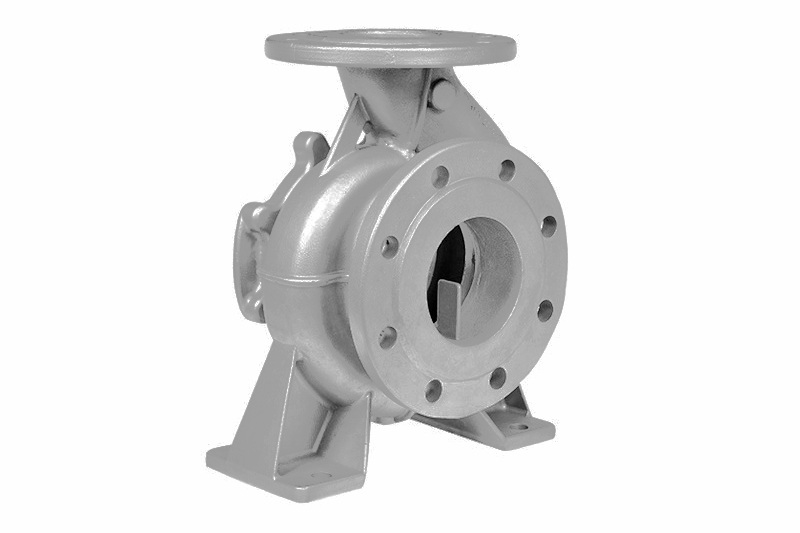
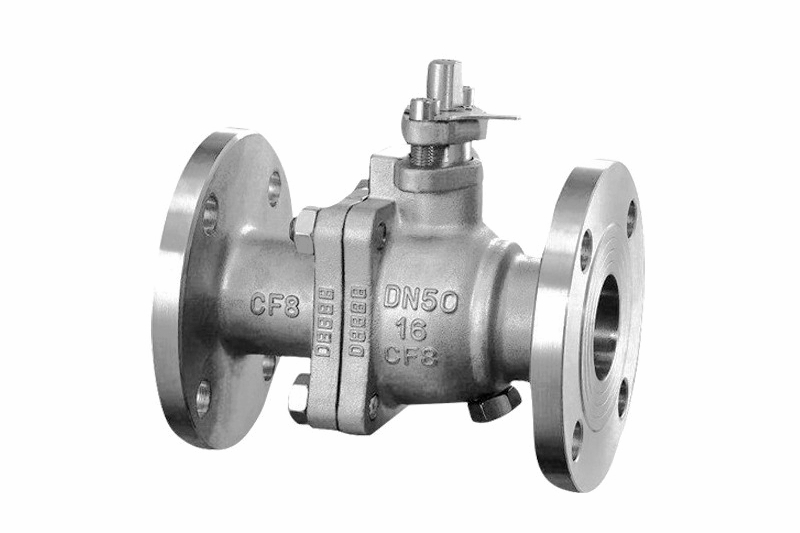
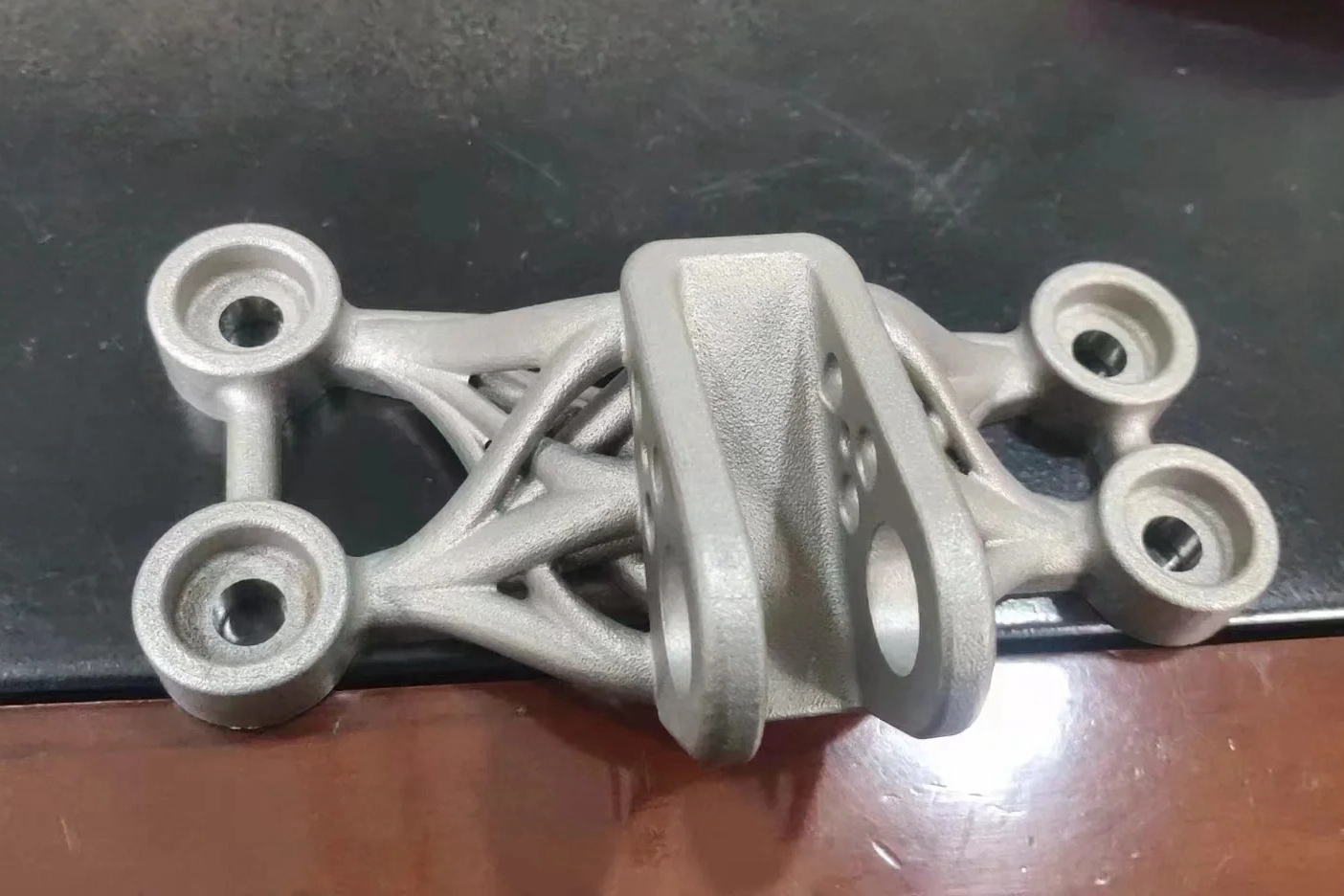
O aço para ferramentas é uma família de aços de alta dureza, resistentes ao desgaste e tratáveis termicamente, projetados para ferramentas de corte, matrizes industriais, insertos de moldagem e componentes mecânicos de alta carga. Quando adaptado para manufatura aditiva, o aço para ferramentas oferece durabilidade excepcional e estabilidade dimensional, permitindo a produção de geometrias complexas que a usinagem tradicional ou a eletroerosão (EDM) sozinhas não conseguem alcançar. Por meio da fusão em leito de pó metálico, apoiada pela avançada impressão 3D em aço para ferramentas da Neway AeroTech, torna-se possível fabricar insertos de moldes com resfriamento conformado, engrenagens resistentes ao desgaste, dispositivos de precisão e elementos de corte de alto volume com prazos de entrega mais curtos. A combinação única de resistência, resistência térmica e usinabilidade após a impressão torna o aço para ferramentas um dos materiais mais versáteis para aplicações industriais que exigem desempenho extremo e confiabilidade a longo prazo.
Nomes Internacionais ou Graus Representativos
País/Região | Nome Comum | Graus Representativos |
|---|---|---|
EUA | Aço para Ferramentas | H13, D2, A2, M2 |
Europa | Aço para Ferramentas | X40CrMoV5-1 |
Japão | Aço Liga para Ferramentas | SKD61, SKH51 |
China | Aço para Ferramentas | H13, Cr12MoV |
Categoria da Indústria | Aço para Matrizes e Moldes | Série H, Série D |
Opções de Materiais Alternativos
Dependendo dos requisitos de dureza, tenacidade e térmicos, vários materiais avançados podem servir como alternativas. Aços inoxidáveis como 17-4 PH ou 15-5PH oferecem resistência à corrosão com fortes propriedades mecânicas para ferramentaria utilizada em ambientes úmidos ou químicos. Aços maraging de alta resistência, como 18Ni300, fornecem resistência ao escoamento excepcional e excelente usinabilidade para núcleos de moldes de injeção. Para resistência extrema à temperatura, ligas à base de níquel como Inconel 751 ou materiais à base de cobalto como Stellite 6B superam o aço para ferramentas em ambientes de desgaste a quente. Quando a redução de peso é essencial, ligas de titânio como Ti-6Al-7Nb oferecem forte desempenho com densidade significativamente menor.
Propósito do Design
O aço para ferramentas foi projetado para suportar cargas mecânicas extremas, abrasão, impacto e ciclos térmicos. Sua composição de liga proporciona temperabilidade controlada, estabilidade dimensional após a têmpera e forte resistência à trincagem por fadiga. Na manufatura aditiva, a intenção do design expande-se para permitir resfriamento conformado, redução dos tempos de ciclo, ferramentaria híbrida, geometrias complexas de canais e a prototipagem rápida de moldes e matrizes com gerenciamento térmico aprimorado e produtividade melhorada.
Composição Química (Típica para Aço para Ferramentas H13)
Elemento | Composição (%) |
|---|---|
Carbono (C) | 0,32–0,45 |
Cromo (Cr) | 4,75–5,5 |
Molibdênio (Mo) | 1,1–1,75 |
Vanádio (V) | 0,8–1,2 |
Silício (Si) | 0,8–1,2 |
Manganês (Mn) | 0,2–0,5 |
Ferro (Fe) | Restante |
Propriedades Físicas
Propriedade | Valor |
|---|---|
Densidade | ~7,8 g/cm³ |
Condutividade Térmica | 25–30 W/m·K |
Resistividade Elétrica | ~0,7 μΩ·m |
Calor Específico | ~460 J/kg·K |
Ponto de Fusão | ~1420–1500°C |
Propriedades Mecânicas
Propriedade | Valor Típico |
|---|---|
Resistência à Tração | 1500–1900 MPa |
Limite de Escoamento | 1200–1600 MPa |
Dureza (após tratamento térmico) | 48–54 HRC |
Tenacidade ao Impacto | Alta para aço de trabalho a quente |
Resistência ao Desgaste | Excelente |
Características Principais do Material
Alta dureza e resistência ao desgaste adequadas para aplicações de ferramentaria e matrizes
Excelente retenção de resistência em temperaturas elevadas
Tenacidade superior e resistência à trincagem por fadiga térmica
Boa estabilidade dimensional após tratamento térmico
Forte resistência à abrasão, deformação e tensão mecânica cíclica
Excelente compatibilidade com manufatura aditiva para designs detalhados e precisos
Capaz de atingir valores de dureza muito altos através de tratamento térmico pós-impressão
Ideal para canais de resfriamento conformado que reduzem significativamente o tempo de ciclo na moldagem
Alta polibilidade superficial para moldagem transparente ou peças estéticas de precisão
Desempenho mecânico estável em ambientes de trabalho a frio e a quente
Manufaturabilidade em Diferentes Processos
Manufatura aditiva: A fusão em leito de pó suporta canais de resfriamento intrincados e geometrias complexas usando a especializada impressão 3D em aço para ferramentas da Neway.
Usinagem CNC: O aço para ferramentas é processado eficientemente com parâmetros de corte controlados através da avançada usinagem CNC de superligas.
Processamento EDM: Adequado para acabamento detalhado usando EDM de superligas.
Furação de profundidade: Eficaz ao utilizar furação de profundidade de alta precisão para canais de resfriamento ou caminhos de pinos ejetores.
Tratamento térmico: Pode ser endurecido e revenido através de ciclos otimizados de tratamento térmico de superligas para propriedades máximas.
Soldagem: Reparo e modificação são possíveis usando soldagem de superligas controlada.
Fundição: Certos graus são adequados para fundição de precisão em aço especial, incluindo tarugos para moldes e matrizes.
Métodos de Pós-Processamento Adequados
Tratamento térmico e revenimento para atingir a dureza e tenacidade desejadas
Prensagem Isostática a Quente (HIP) via processamento HIP para eliminar porosidade e melhorar o desempenho à fadiga
Usinagem de precisão para exatidão dimensional final em componentes de moldes e matrizes
Polimento superficial para aplicações de moldagem óptica ou transparente
Nitretação ou cementação para aumentar a dureza superficial e a resistência ao desgaste
Passivação ou limpeza química para ambientes sensíveis à corrosão
Avaliação não destrutiva usando teste e análise de materiais para garantia de qualidade
Acabamento EDM para recursos internos apertados ou ranhuras profundas
Indústrias e Aplicações Comuns
Insertos de moldes para injeção e fundição em matriz
Ferramentas de corte, punções e lâminas de cisalhamento industrial
Engrenagens de alto desgaste, cames e componentes de movimento de precisão
Dispositivos, gabaritos e elementos de carga para aeroespacial
Ferramentaria automotiva para fabricação de alto volume
Peças de robótica e automação que exigem resistência ao desgaste a longo prazo
Quando Escolher Este Material
Quando alta dureza e resistência ao desgaste são necessárias para moldagem, corte ou estampagem
Quando canais complexos de resfriamento conformado devem ser integrados em insertos de moldes
Quando os componentes requerem longa vida útil sob carga térmica cíclica
Quando alta estabilidade dimensional é necessária após tratamento térmico
Quando se produz ferramentaria híbrida, combinando núcleos impressos com superfícies usinadas
Quando a otimização do tempo de ciclo e a redução de gradientes térmicos são essenciais
Quando a resistência à abrasão e ao impacto são considerações primárias de design
Quando se fabricam componentes fortes e resistentes ao desgaste com geometria intrincada
Explorar blogs relacionados