
Fornecedor de Fundição de Cristal Único para Pás de Turbina em Superliga Inconel 713
Introdução
O Inconel 713, uma superliga à base de níquel, oferece excelente resistência em altas temperaturas, resistência à oxidação e resistência ao fluência, tornando-o altamente adequado para a fabricação de pás de turbina. Na Neway AeroTech, somos especializados em serviços de fundição de cristal único para ligas Inconel. Entregamos pás de turbina em Inconel 713 com desempenho superior à fadiga, precisão dimensional (±0,05 mm) e microestruturas otimizadas projetadas para condições operacionais extremas de turbinas.
Utilizando tecnologia avançada de solidificação direcional e crescimento de cristal único, a Neway AeroTech garante componentes de turbina de alta confiabilidade para os setores aeroespacial, de turbinas a gás industriais e de geração de energia.
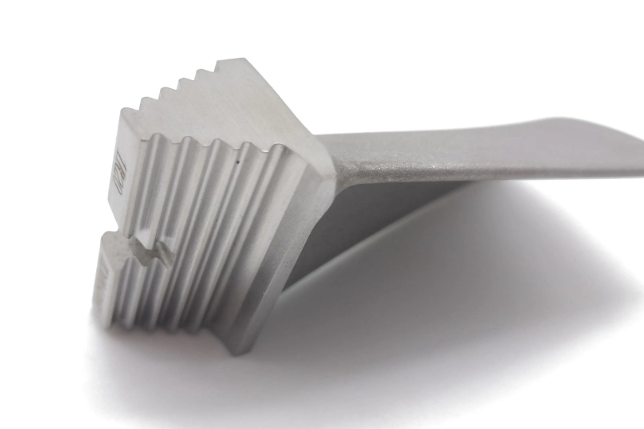
Principais Desafios de Fabricação para Pás de Turbina de Cristal Único em Inconel 713
A produção de pás de turbina de cristal único a partir do Inconel 713C envolve vários desafios técnicos:
Obter estruturas de cristal único livres de defeitos com orientação cristalográfica controlada (tipicamente direção de crescimento <001>).
Eliminar contornos de grão que podem servir como locais para iniciação de trincas por fluência e fadiga.
Manter tolerâncias dimensionais precisas (±0,05 mm) em geometrias complexas de perfil aerodinâmico e raiz.
Gerenciar taxas de solidificação e gradientes térmicos durante a fundição para evitar defeitos como grãos errantes ou sardas.
Processo de Fundição de Cristal Único para Pás de Turbina em Inconel 713
Nosso processo de fundição de cristal único altamente controlado inclui:
Criação do Modelo de Cera: Moldes de cera de alta precisão replicando os perfis da pá, produzidos usando ferramentaria usinada por CNC.
Construção da Casca Cerâmica: Revestimentos cerâmicos multicamadas para criar um molde robusto e resistente ao choque térmico.
Remoção de Cera e Queima da Casca: Remoção da cera a ~150°C, seguida de queima em alta temperatura a ~1000°C.
Fusão e Vazamento a Vácuo: Fusão do Inconel 713C em ambiente de alto vácuo (<0,01 Pa) para preservar a pureza da liga.
Crescimento do Cristal Único: Usando um cristal semente, a solidificação direcional controlada com taxas de retirada precisamente gerenciadas (~3–6 mm/min) garante a formação do cristal único.
Remoção da Casca e Tratamento Térmico: Remoção da casca cerâmica seguida de tratamento térmico de solubilização (~1120°C) e envelhecimento para otimizar a distribuição de fases e as propriedades mecânicas.
Usinagem Final CNC: Atingindo dimensões finais com tolerâncias de até ±0,01 mm e acabamentos superficiais Ra ≤1,6 µm.
Comparação de Métodos de Fabricação para Pás de Turbina em Inconel 713
Método de Fabricação | Precisão Dimensional | Microestrutura | Resistência à Fluência | Resistência à Fadiga Térmica | Eficiência de Custo |
|---|---|---|---|---|---|
Fundição de Cristal Único | ±0,05 mm | Cristal Único | Superior | Superior | Média-Alta |
Solidificação Direcional | ±0,05 mm | Grão Colunar | Excelente | Excelente | Média |
Fundição por Cera Perdida Equiaxial | ±0,1 mm | Grão Equiaxial | Boa | Boa | Média |
Estratégia de Seleção do Método de Fabricação
A seleção depende da temperatura operacional, carregamento cíclico e requisitos de vida útil:
Fundição de Cristal Único: Ideal para pás de turbina do primeiro estágio expostas a tensões térmicas e mecânicas extremas, eliminando contornos de grão para máxima resistência à fluência e vida à fadiga.
Solidificação Direcional: Adequada para estágios intermediários onde a resistência direcional à fluência é importante, mas o controle de custos é uma prioridade.
Fundição por Cera Perdida Equiaxial: Adequada para componentes estacionários de turbinas e pás operando sob cargas térmicas mais baixas.
Matriz de Desempenho do Inconel 713C
Propriedade | Valor | Notas |
|---|---|---|
Temperatura Máxima de Serviço (°C) | 950 | Capacidade de operação contínua |
Resistência à Tração (MPa) | 1200 | Alta resistência mecânica |
Resistência à Fluência | Superior | Ideal para exposição prolongada a altas temperaturas |
Resistência à Oxidação | Excelente | Resistente à corrosão por gases quentes |
Resistência à Fadiga | Excelente | Resistência à fadiga de alto e baixo ciclo |
Vantagens das Pás de Cristal Único em Inconel 713
O uso de pás de cristal único em Inconel 713 proporciona:
Eliminação de Contornos de Grão: Reduz os riscos de iniciação de trincas por fluência e fadiga, estendendo a vida útil da pá em 30–50% em comparação com pás equiaxiais.
Resistência Superior à Fluência: Permite operação em temperaturas mais altas (até 950°C) sem degradação microestrutural.
Integridade Mecânica Aprimorada: Melhora a resistência à fadiga, reduzindo a probabilidade de propagação de trincas sob carregamento cíclico.
Resistência Otimizada à Fadiga Térmica: Crítico para componentes expostos a ciclagem térmica repetida.
Principais Técnicas de Pós-processamento
Operações críticas de pós-processamento incluem:
Prensagem Isostática a Quente (HIP): Densifica a peça fundida, eliminando microvazios e melhorando a vida à fadiga.
Tratamento Térmico: Recozimento de solubilização (~1120°C) e envelhecimento para melhorar as propriedades mecânicas e a estabilidade de fases.
Usinagem de Precisão CNC: Acabamento final para atingir tolerâncias estreitas (±0,01 mm) e perfis aerodinâmicos.
Aplicação de Revestimento Superficial: Aplicação de TBC (Revestimentos de Barreira Térmica) para estender a vida útil nas seções quentes da turbina.
Métodos de Teste e Garantia de Qualidade
Cada pá de cristal único em Inconel 713 passa por testes rigorosos de grau aeroespacial:
Máquina de Medição por Coordenadas (CMM): Inspeção dimensional de precisão com precisão de ±0,005 mm.
Teste Não Destrutivo por Raios-X: Detecção de defeitos internos e porosidade.
Microscopia Metalográfica: Verificação microestrutural da integridade do cristal único.
Testes de Tração e Fluência: Verificação do desempenho mecânico sob carregamento em alta temperatura.
Todos os processos estão em total conformidade com os padrões de qualidade aeroespacial AS9100.
Estudo de Caso: Pás de Turbina em Inconel 713C Fundidas em Cristal Único
A Neway AeroTech fabricou pás de turbina de cristal único em Inconel 713C para uma aplicação em turbina a gás aeroespacial:
Temperatura Operacional: Uso contínuo até 950°C
Precisão Dimensional: ±0,05 mm mantida em todas as características
Vida à Fadiga: Melhorada em 40% em comparação com equivalentes fundidos equiaxialmente
Certificação: Totalmente conforme com os padrões de qualidade aeroespacial AS9100
Perguntas Frequentes
Por que a fundição de cristal único é preferida para pás de turbina em vez da fundição equiaxial?
Quais são as vantagens de usar o Inconel 713C para aplicações de pás em altas temperaturas?
Como a solidificação direcional garante resistência superior à fluência?
Quais tolerâncias dimensionais podem ser alcançadas com a fundição de cristal único em Inconel 713?
Quais padrões de qualidade a Neway AeroTech aplica à produção de pás de turbina?
