
Fundição de Forjamento Isotérmico de Pás de Turbina em Liga de Cobalto Inconel 738LC
Introdução
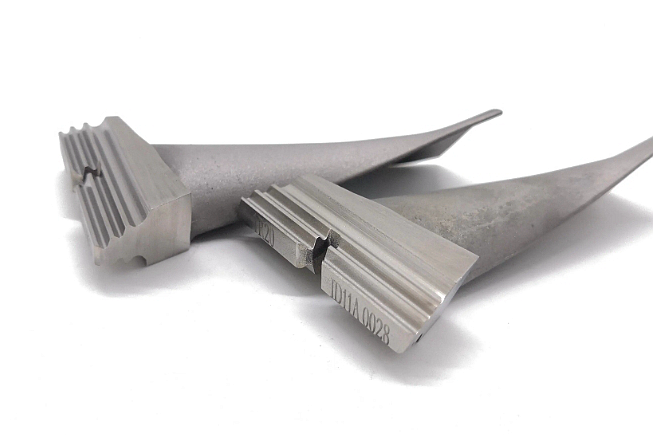
O Inconel 738LC, uma superliga à base de níquel-cromo-cobalto, oferece excelente resistência ao fluência, estabilidade à oxidação e desempenho à fadiga em altas temperaturas, tornando-se um material preferencial para a fabricação de pás de turbina. Na Neway AeroTech, somos especializados em serviços de forjamento isotérmico para ligas Inconel, produzindo pás de turbina em Inconel 738LC com excepcional precisão dimensional (±0,03 mm), microestruturas refinadas e propriedades mecânicas superiores para aplicações em turbinas a gás aeroespaciais e industriais.
Utilizando tecnologia avançada de forjamento em condições isotérmicas, entregamos pás de turbina capazes de manter excelente integridade mecânica durante a exposição prolongada a temperaturas extremas.
Principais Desafios de Fabricação para Pás de Turbina em Inconel 738LC
O forjamento de pás de turbina em Inconel 738LC em condições isotérmicas envolve desafios técnicos complexos:
Gerenciar faixas estreitas de temperatura de forjamento (~1020–1120°C) para evitar trincas e fragilização de contornos de grão.
Alcançar microestruturas homogêneas de grão fino que aumentam a resistência ao fluência e à fadiga.
Manter tolerâncias dimensionais ultra-estreitas (±0,03 mm) críticas para a montagem do rotor da turbina e desempenho aerodinâmico.
Controlar taxas de deformação e temperaturas da matriz minimiza tensões residuais e garante alta integridade metalúrgica.
Processo de Forjamento Isotérmico para Pás de Turbina em Inconel 738LC
Nosso processo de forjamento isotérmico de precisão inclui:
Preparação do Tarugo: Homogeneização e pré-aquecimento de tarugos de Inconel 738LC para garantir uniformidade microestrutural.
Aquecimento Isotérmico da Matriz: Manter as matrizes em temperaturas próximas à temperatura de forjamento (~1050–1100°C) para minimizar gradientes térmicos.
Operação de Forjamento de Precisão: Forjamento controlado de baixa velocidade a temperatura constante para alcançar refino de grão ideal e prevenir iniciação de trincas.
Resfriamento Controlado: Resfriamento em forno ou ao ar lento para reduzir tensões residuais e prevenir a formação de microtrincas.
Tratamento Térmico Pós-Forjamento: Tratamento de solubilização (~1120°C) seguido de envelhecimento a ~845°C para otimizar a precipitação da fase γ' e a resistência mecânica.
Usinagem CNC Final: Alcançando tolerâncias dimensionais finais de ±0,01 mm e acabamentos superficiais Ra ≤1,6 µm em superfícies críticas.
Comparação de Métodos de Fabricação para Pás de Turbina em Inconel 738LC
Método de Fabricação | Precisão Dimensional | Acabamento Superficial (Ra) | Controle da Estrutura de Grão | Resistência ao Fluência | Resistência à Fadiga |
|---|---|---|---|---|---|
Forjamento Isotérmico | ±0,03 mm | ≤3,2 µm | Excelente | Superior | Superior |
Solidificação Direcional | ±0,05 mm | ≤3,2 µm | Muito Bom | Excelente | Excelente |
Fundição por Cera Perdida a Vácuo | ±0,1 mm | ≤3,2 µm | Moderado | Bom | Bom |
Estratégia de Seleção do Método de Fabricação
A seleção depende das demandas de desempenho e prioridades de fabricação:
Forjamento Isotérmico: O método preferido para produzir pás de turbina que requerem vida à fadiga superior, microestruturas de grão fino e controle dimensional excepcional. As pás de Inconel 738LC forjadas apresentam desempenho à fadiga 30–40% melhor do que as pás fundidas convencionalmente.
Fundição por Solidificação Direcional: Adequada para pás de turbina operando sob tensão de fluência alta sustentada, mas com precisão dimensional ligeiramente inferior ao forjamento.
Fundição por Cera Perdida a Vácuo: Apropriada para pás menos críticas onde resistência moderada e eficiência de custo são os objetivos principais.
Matriz de Desempenho do Inconel 738LC
Propriedade | Valor | Notas |
|---|---|---|
Temperatura Máxima de Serviço (°C) | 980 | Exposição de longo prazo em seções quentes da turbina |
Resistência à Tração (MPa) | 1230 | Resistência em alta temperatura |
Limite de Escoamento (MPa) | 880 | Estável sob altas cargas mecânicas |
Alongamento (%) | 3–5% | Típico para superligas de alta resistência |
Resistência à Oxidação | Excelente | Estabilidade superficial em ambientes de gás quente |
Resistência ao Fluência | Superior | Aprimorada através do forjamento de grão fino |
Vantagens das Pás Forjadas Isotermicamente em Inconel 738LC
O uso do Inconel 738LC em pás de turbina forjadas isotermicamente oferece várias vantagens críticas:
Resistência Superior à Fadiga: Microestruturas de grão fino previnem a iniciação de trincas sob carregamento cíclico, estendendo a vida útil do componente.
Resistência Aprimorada ao Fluência: Estruturas forjadas superam significativamente as equivalentes fundidas sob exposição de longo prazo a alta tensão e alta temperatura.
Precisão Dimensional Melhorada: Tolerâncias estreitas (±0,03 mm) garantem melhor ajuste na montagem do rotor e perfis aerodinâmicos da pá.
Excelente Resistência à Oxidação: Mantém a integridade superficial e protege contra corrosão por gás quente mesmo em temperaturas próximas a 980°C.
Técnicas Principais de Pós-processamento
O pós-processamento otimiza ainda mais o desempenho da pá:
Prensagem Isostática a Quente (HIP): Densifica o forjado, eliminando porosidade residual.
Tratamento Térmico: Ciclos de recozimento de solubilização e envelhecimento para otimizar propriedades mecânicas e estabilidade de fase.
Usinagem CNC de Precisão: Alcança geometrias finais do aerofólio e da raiz dentro de ±0,01 mm para ajuste perfeito e desempenho aerodinâmico.
Acabamento Superficial: Polimento e aplicação de Revestimentos de Barreira Térmica (TBC) para maior resistência à oxidação e ao choque térmico.
Métodos de Teste e Garantia de Qualidade
Todas as pás de turbina da Neway AeroTech passam por rigorosa validação de grau aeroespacial:
Máquina de Medição por Coordenadas (CMM): Inspeções dimensionais com precisão de ±0,005 mm.
Inspeção por Raios-X: Detecção não destrutiva de falhas internas e porosidade.
Microscopia Metalográfica: Avaliação da estrutura de grão e distribuição de fases.
Testes de Tração e Fluência: Validação das propriedades mecânicas sob condições de serviço.
Mantemos total conformidade com os padrões de gestão da qualidade aeroespacial AS9100.
Estudo de Caso: Pás de Turbina Forjadas Isotermicamente em Inconel 738LC
A Neway AeroTech forneceu pás de turbina forjadas em Inconel 738LC para um fabricante de turbinas a gás aeroespaciais:
Temperatura de Serviço: Uso contínuo até 980°C
Precisão Dimensional: Mantida em ±0,03 mm em características críticas da pá
Vida à Fadiga: Melhorada em 40% em comparação com pás fundidas convencionalmente
Certificação: Totalmente conforme com os requisitos de qualidade aeroespacial AS9100
Perguntas Frequentes (FAQs)
Por que o forjamento isotérmico é preferido para pás de turbina em Inconel 738LC?
Quais benefícios de desempenho o Inconel 738LC proporciona para aplicações de turbina em alta temperatura?
Quais tolerâncias dimensionais são alcançáveis com pás de turbina forjadas isotermicamente?
Como o HIP aprimora o desempenho mecânico das pás de Inconel forjadas?
Com quais padrões de qualidade aeroespacial a Neway AeroTech está em conformidade para pás de turbina forjadas?
