
Ti-8Al-1Mo-1V (ग्रेड 20) सुपरमिश्र धातु कास्टिंग समुद्री टरबाइन ब्लेड निर्माता
परिचय
Ti-8Al-1Mo-1V (ग्रेड 20) एक निकट-अल्फा टाइटेनियम मिश्र धातु है जिसे उच्च तापमान, संक्षारण-प्रतिरोधी अनुप्रयोगों के लिए विकसित किया गया है, जिनमें असाधारण विसर्पण प्रतिरोध और मध्यम शक्ति की आवश्यकता होती है। एक अनुभवी सुपरमिश्र धातु कास्टिंग निर्माता के रूप में, हम वैक्यूम निवेश कास्टिंग का उपयोग करके परिशुद्ध Ti-8Al-1Mo-1V टरबाइन ब्लेड का उत्पादन करते हैं, जो ±0.05 मिमी आयामी सटीकता और 1% से कम सरंध्रता प्राप्त करते हैं।
ये कास्टिंग समुद्री टरबाइन प्रणालियों के लिए आदर्श हैं, जहां घटकों को गर्म, उच्च लवणता वाले वातावरण में दीर्घकालिक संचालन को सहन करना चाहिए, जबकि ऑक्सीकरण, क्षरण और विरूपण का प्रतिरोध करना चाहिए।
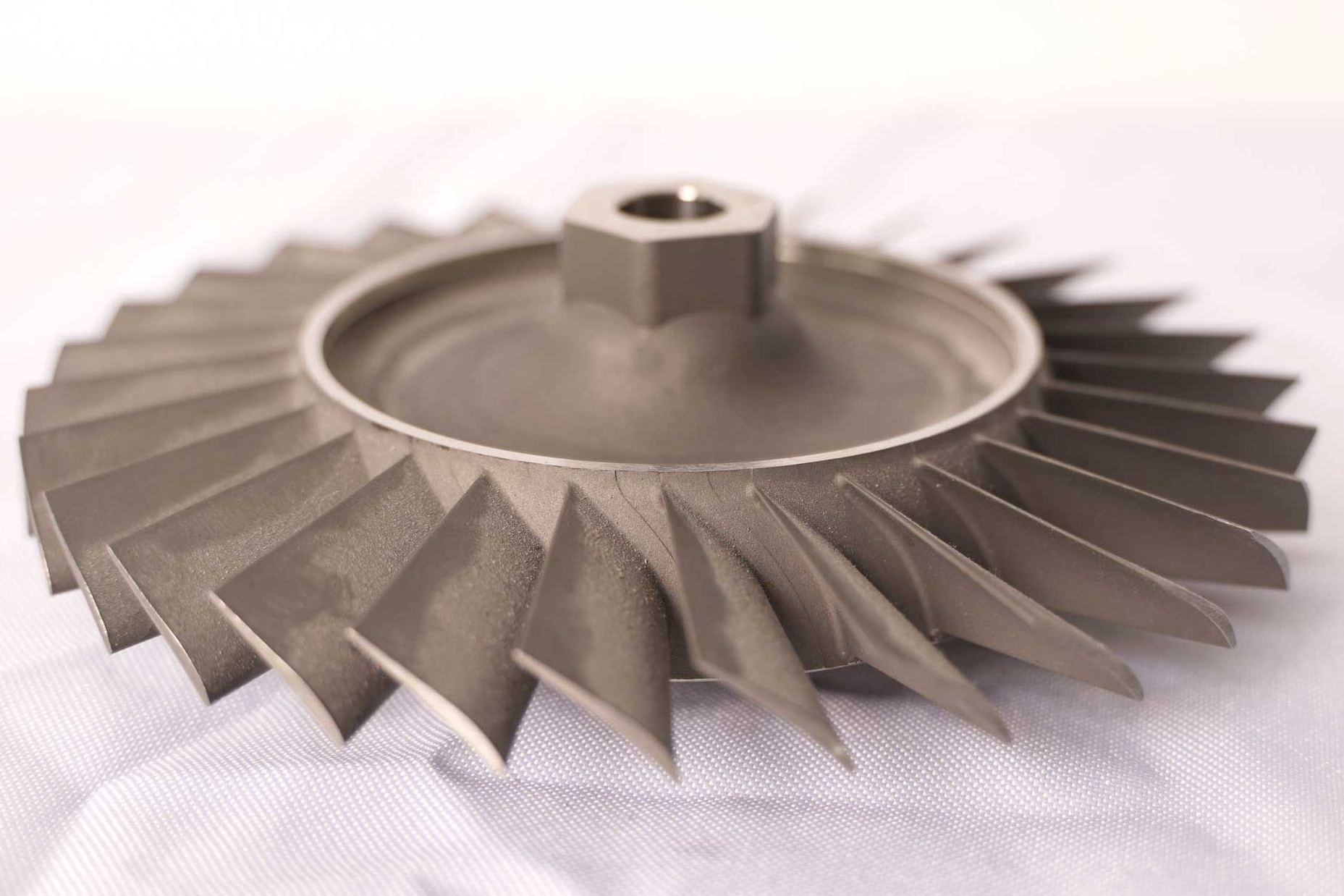
कोर प्रौद्योगिकी: Ti-8Al-1Mo-1V का वैक्यूम निवेश कास्टिंग
हम उत्कृष्ट सतह फिनिश, आंतरिक ध्वनि और ऑक्सीकरण नियंत्रण के साथ Ti-8Al-1Mo-1V घटकों का उत्पादन करने के लिए वैक्यूम निवेश कास्टिंग का उपयोग करते हैं। मिश्र धातु को ~1630°C पर पिघलाया जाता है और ~1000°C तक पूर्व-तापित 8–10 परत वाली सिरेमिक शेल मोल्ड में ढाला जाता है। नियंत्रित ठोसीकरण (शीतलन दर: 30–70°C/मिनट) के परिणामस्वरूप न्यूनतम संकुचन या अल्फा-केस बनने के साथ समान समअक्षीय दानेदार आकार (.5–2 मिमी) प्राप्त होता है।
Ti-8Al-1Mo-1V (ग्रेड 20) की सामग्री विशेषताएं
Ti-8Al-1Mo-1V एक निकट-अल्फा मिश्र धातु है जिसे उन्नत तापमान (500°C तक) पर दीर्घकालिक उपयोग के लिए इंजीनियर किया गया है, जिसमें अच्छा विसर्पण प्रतिरोध, संक्षारण सहनशीलता और तापीय स्थिरता है। मुख्य गुणों में शामिल हैं:
गुण | मान |
|---|---|
घनत्व | 4.45 g/cm³ |
चरम तन्य शक्ति | ≥875 MPa |
उपज शक्ति | ≥820 MPa |
दीर्घीकरण | ≥12% |
विसर्पण शक्ति (1000 घंटे @ 500°C) | ≥160 MPa |
संचालन तापमान सीमा | 500°C तक |
संक्षारण प्रतिरोध | समुद्री वातावरण में उत्कृष्ट |
ये गुण Ti-8Al-1Mo-1V को निरंतर नमक स्प्रे, नमी और उन्नत संचालन तापमान के संपर्क में आने वाले टरबाइन ब्लेड के लिए एक उपयुक्त विकल्प बनाते हैं।
केस स्टडी: समुद्री टरबाइन ब्लेड परियोजना
परियोजना पृष्ठभूमि
एक नौसैनिक प्रणोदन निर्माता को गैस टरबाइन संचालित समुद्री जहाज के लिए उच्च-शक्ति, ऊष्मा-प्रतिरोधी टरबाइन ब्लेड की आवश्यकता थी। उन्नत तापमान पर ऑक्सीकरण और संक्षारण का प्रतिरोध करने की अपनी क्षमता के लिए Ti-8Al-1Mo-1V का चयन किया गया था। हमने वायुगतिकीय स्थिरता और आयामी सटीकता के लिए HIP सघनीकरण और CNC फिनिशिंग के साथ, MIL-STD सामग्री विनिर्देशों को पूरा करने वाले वैक्यूम-कास्ट ब्लेड आपूर्ति किए।
समुद्री टरबाइन ब्लेड के विशिष्ट अनुप्रयोग
उच्च-दबाव गैस टरबाइन ब्लेड (जैसे, LM2500 मैरीन): जहाज पर स्थित प्रणोदन मॉड्यूल में गर्म गैस वातावरण के संपर्क में आने वाले ब्लेड, जहां तापीय विसर्पण और ऑक्सीकरण नियंत्रण महत्वपूर्ण हैं।
इंटरकूलर टरबाइन रोटर: हल्के, संक्षारण-प्रतिरोधी ब्लेड जो संयुक्त चक्र समुद्री गैस प्रणालियों के भीतर नमी से भरपूर निकास क्षेत्रों में संचालित होते हैं।
नौसैनिक इंजनों के लिए टर्बोचार्जर ब्लेड: परिवर्तनीय घूर्णी गति पर संचालित होने वाले समुद्री सहायक गैस टरबाइनों के लिए डिज़ाइन किए गए थकान-प्रतिरोधी कास्टिंग।
वॉटरजेट-संचालित माइक्रोटरबाइन ब्लेड: स्वायत्त समुद्री वाहनों में एम्बेडेड प्रणोदन प्रणालियों के लिए अनुकूलित प्रवाह प्रोफाइल वाले छोटे, उच्च-परिशुद्धता वाले ब्लेड।
ये ब्लेड कठोर महासागरीय परिस्थितियों में संरचनात्मक अखंडता, भार दक्षता और दीर्घकालिक सेवा जीवन प्रदान करते हैं।
समुद्री टरबाइन ब्लेड के लिए विनिर्माण समाधान
कास्टिंग प्रक्रिया मोम पैटर्न को सिरेमिक शेल मोल्ड में इकट्ठा किया जाता है। मिश्र धातु को ~1630°C पर वैक्यूम कास्ट किया जाता है, पूर्ण मोल्ड भरने को सुनिश्चित करने के लिए मोल्ड को 1000°C पर पूर्व-तापित किया जाता है। संकुचन सरंध्रता को रोकने और एयरफॉइल में बारीक दानेदार आकार बनाए रखने के लिए ठोसीकरण को अनुकूलित किया जाता है।
पोस्ट-प्रोसेसिंग माइक्रोवॉइड्स को खत्म करने और थकान जीवन में सुधार करने के लिए 920°C और 100 MPa पर हॉट आइसोस्टैटिक प्रेसिंग (HIP) किया जाता है। माइक्रोस्ट्रक्चर और विसर्पण प्रदर्शन को अनुकूलित करने के इसके बाद सोल्यूशन एजिंग की जाती है।
पोस्ट मशीनिंग वायुगतिकीय बाहरी रेखाओं और रूट इंटरफेस को प्राप्त करने के लिए महत्वपूर्ण क्षेत्रों को CNC मशीनिंग का उपयोग करके फिनिश किया जाता है। कसकर सहनशीलता और ट्रेलिंग एज विवरण के लिए EDM लागू किया जाता है। शीतलक मार्ग और भार-कमी चैनल बनाने के लिए डीप होल ड्रिलिंग की जाती है।
सतह उपचार शॉट पीनिंग थकान शक्ति में सुधार करती है। चरम समुद्री परिस्थितियों के लिए वैकल्पिक सिरेमिक या एल्यूमिनाइड कोटिंग्स अतिरिक्त ऑक्सीकरण प्रतिरोध प्रदान करती हैं। सतह निष्क्रियता दीर्घकालिक संक्षारण प्रदर्शन सुनिश्चित करती है।
परीक्षण और निरीक्षण प्रत्येक ब्लेड X-ray NDT, CMM निरीक्षण, और उन्नत-तापमान यांत्रिक परीक्षण से गुजरता है। धातुलेखीय विश्लेषण उचित दानेदार संरचना, अल्फा-फेज वितरण और ऑक्सीकरण परत की मोटाई की पुष्टि करता है।
कोर विनिर्माण चुनौतियां
विरूपण या अल्फा-केस बनने के बिना पतले, उच्च पहलू अनुपात वाले एयरफॉइल का कास्टिंग करना।
रूट, श्राउड और लीडिंग-एज ज्यामिति के लिए ±0.05 मिमी सहनशीलता को पूरा करना।
लंबी अवधि तक उच्च-तापमान ऑक्सीकरण और समुद्री जल संक्षारण के प्रति प्रतिरोध सुनिश्चित करना।
परिणाम और सत्यापन
3D CMM द्वारा पुष्टि ±0.05 मिमी के भीतर आयामी सटीकता।
X-ray और HIP विश्लेषण के माध्यम से सत्यापित <1% सरंध्रता।
500°C पर यांत्रिक शक्ति ≥875 MPa और विसर्पण शक्ति ≥160 MPa।
ASTM G44 चक्रीय नमक स्प्रे परीक्षण द्वारा पुष्टि उत्कृष्ट संक्षारण प्रतिरोध।
अक्सर पूछे जाने वाले प्रश्न (FAQs)
समुद्री टरबाइन ब्लेड के लिए Ti-8Al-1Mo-1V (ग्रेड 20) आदर्श क्यों है?
आप किस प्रकार की कास्टिंग सहनशीलता और सतह फिनिश प्राप्त कर सकते हैं?
टाइटेनियम कास्टिंग के दौरान अल्फा-केस को कैसे नियंत्रित किया जाता है?
क्या आपकी वर्कशॉप विशिष्ट प्रणोदन डिजाइनों के लिए टरबाइन ब्लेड को अनुकूलित कर सकती है?
समुद्री अनुपालन सुनिश्चित करने के लिए किन गुणवत्ता मानकों और निरीक्षण विधियों को लागू किया जाता है?
