
Ti-15V-3Cr-3Sn-3Al सुपरएलॉय कास्टिंग समुद्री प्रणोदन प्रणालियाँ कारखाना
परिचय
Ti-15V-3Cr-3Sn-3Al एक मेटास्टेबल बीटा टाइटेनियम मिश्र धातु है जो उच्च शक्ति, कम घनत्व, उत्कृष्ट संक्षारण प्रतिरोध और उत्कृष्ट थकान गुण प्रदान करती है। हमारे विशेष सुपरएलॉय कास्टिंग कारखाने में, हम वैक्यूम इन्वेस्टमेंट कास्टिंग का उपयोग करके समुद्री प्रणोदन प्रणालियों के लिए सटीक Ti-15V-3Cr-3Sn-3Al घटकों का निर्माण करते हैं। हम आयामी सटीकता को ±0.05 मिमी के भीतर बनाए रखते हैं और सरंध्रता को 1% से नीचे नियंत्रित करते हैं, जिससे संक्षारक समुद्री वातावरण में लगातार प्रदर्शन सुनिश्चित होता है।
हमारे टाइटेनियम कास्टिंग उच्च-प्रदर्शन समुद्री अनुप्रयोगों का समर्थन करते हैं, जैसे कि प्रोपेलर हब, स्टीयरिंग घटक और जलमग्न यांत्रिक लिंकेज।
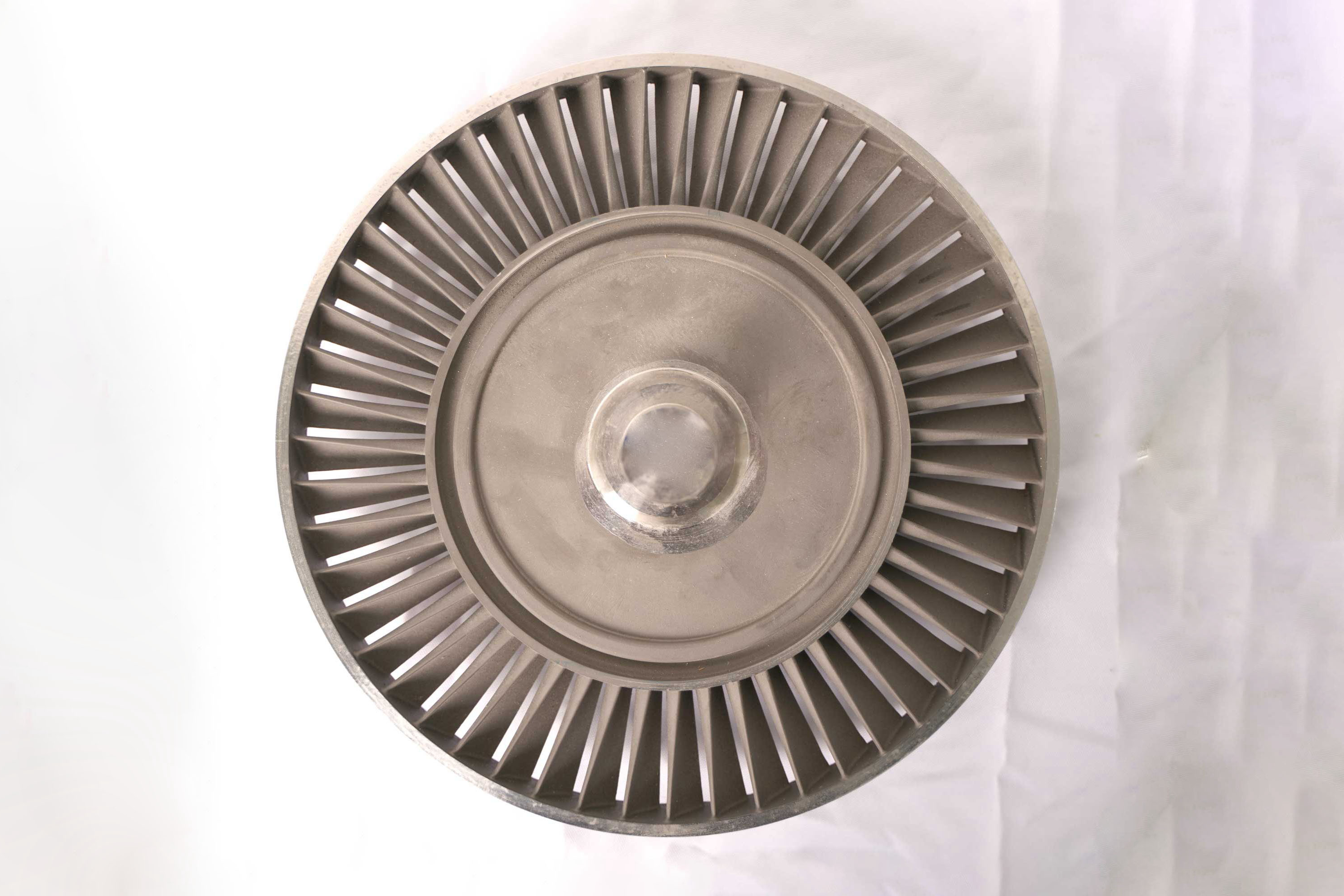
मुख्य तकनीक: Ti-15V-3Cr-3Sn-3Al की सुपरएलॉय कास्टिंग
हम उच्च-अखंडता वाले Ti-15V-3Cr-3Sn-3Al समुद्री भागों का उत्पादन करने के लिए वैक्यूम इन्वेस्टमेंट कास्टिंग लागू करते हैं। मिश्र धातु को ~1620°C पर सिरेमिक शेल मोल्ड्स (8–10 परतों) में वैक्यूम कास्ट किया जाता है, जिसमें मोल्ड को 950–1050°C पर प्रीहीट किया जाता है ताकि तापीय प्रवणताओं को कम किया जा सके। नियंत्रित ठोसीकरण (शीतलन दर: 30–70°C/मिनट) 0.5–2 मिमी के समान-अक्षीय अनाज आकार सुनिश्चित करता है, जो थकान और संक्षारण प्रदर्शन के लिए महत्वपूर्ण है।
Ti-15V-3Cr-3Sn-3Al मिश्र धातु की सामग्री विशेषताएँ
Ti-15V-3Cr-3Sn-3Al एक मेटास्टेबल बीटा टाइटेनियम मिश्र धातु है जिसमें श्रेष्ठ रूपांतरण क्षमता, संक्षारण प्रतिरोध और यांत्रिक शक्ति होती है। यह विशेष रूप से उन समुद्री अनुप्रयोगों के लिए उपयुक्त है जिनमें उच्च थकान सहनशीलता और वजन में कमी की आवश्यकता होती है। मुख्य गुणों में शामिल हैं:
गुण | मान |
|---|---|
घनत्व | 4.75 ग्राम/सेमी³ |
अंतिम तन्य शक्ति | ≥1020 एमपीए |
उपज शक्ति | ≥965 एमपीए |
बढ़ाव | ≥10% |
थकान शक्ति (R=0.1, 10⁷ चक्र) | ~600 एमपीए |
संचालन तापमान सीमा | ~300°C |
संक्षारण प्रतिरोध | समुद्री जल में उत्कृष्ट |
ये विशेषताएँ Ti-15-3-3-3 को गतिशील समुद्री बलों, दबाव उतार-चढ़ाव और खारे पानी के संपर्क का सामना करने में सक्षम बनाती हैं।
केस स्टडी: Ti-15-3-3-3 समुद्री प्रणोदन घटक परियोजना
परियोजना पृष्ठभूमि
एक नौसेना रक्षा ठेकेदार को एक उच्च-गति, कम-खिंचाव प्रणोदन प्रणाली के लिए हल्के, संक्षारण-प्रतिरोधी यांत्रिक लिंकेज और इम्पेलर हब की आवश्यकता थी। Ti-15V-3Cr-3Sn-3Al को इसकी शक्ति, समुद्री जल सहनशीलता और थकान प्रदर्शन के लिए चुना गया था। हमने वैक्यूम-कास्ट घटकों को MIL-STD कास्टिंग विनिर्देशों को पूरा करते हुए वितरित किए, जिसमें हाइड्रोडायनामिक दक्षता के लिए अंतिम फिनिशिंग को अनुकूलित किया गया था।
विशिष्ट समुद्री प्रणोदन अनुप्रयोग
वाटरजेट इम्पेलर हब: अल्ट्रा-हाई-स्पीड जेट सिस्टम के लिए कम जड़त्व और उच्च संक्षारण प्रतिरोध वाले सटीक-कास्ट घटक।
जलमग्न एक्चुएटर आर्म्स: चक्रीय भार के तहत शक्ति और लचीलेपन दोनों की आवश्यकता वाले पानी के नीचे स्टीयरिंग तंत्र के लिए Ti-15-3-3-3 कास्ट आर्म्स।
वेरिएबल-पिच प्रोपेलर लिंकेज: थकान-प्रतिरोधी जोड़ कनेक्टर और कैम फॉलोअर जो निरंतर कोणीय भार और समुद्री जल डुबकी के संपर्क में हैं।
पंप और सील केसिंग रिंग्स: संक्षारण-प्रतिरोधी हाउसिंग सेगमेंट जो खारे पानी के प्रवाह सर्किट में दबाव और तापमान भिन्नता के तहत स्थिर ज्यामिति के साथ हैं।
ये घटक नौसैनिक और वाणिज्यिक समुद्री प्लेटफार्मों में प्रणोदन प्रणाली दक्षता, वजन में कमी और सेवा जीवन में काफी सुधार करते हैं।
Ti-15V-3Cr-3Sn-3Al घटकों के लिए विनिर्माण समाधान
कास्टिंग प्रक्रिया हम जटिल समुद्री ज्यामिति के लिए सटीक मोम इंजेक्शन का उपयोग करते हैं। वैक्यूम कास्टिंग ~1620°C पर सिरेमिक मोल्ड्स में की जाती है जिन्हें ~1000°C तक प्रीहीट किया जाता है। पृथक्करण और अल्फा-केस गठन से बचने के लिए शीतलन दरों को नियंत्रित किया जाता है।
पोस्ट-प्रोसेसिंग आंतरिक सरंध्रता को खत्म करने और यांत्रिक एकरूपता बढ़ाने के लिए 925°C और 100 एमपीए पर हॉट आइसोस्टेटिक प्रेसिंग (HIP) किया जाता है। एजिंग हीट ट्रीटमेंट थकान प्रतिरोध के लिए β-फेज गुणों को अनुकूलित करता है।
पोस्ट मशीनिंग महत्वपूर्ण सतहों को सीएनसी मशीनिंग के माध्यम से फिनिश किया जाता है, जबकि जटिल आकृतियों के लिए ईडीएम का उपयोग किया जाता है। गहरे छेद ड्रिलिंग खोखले शाफ्ट या संरचनात्मक हाउसिंग में तरल प्रवाह और फास्टनरों के लिए थ्रू-होल बनाती है।
सतह उपचार बेहतर संक्षारण प्रतिरोध के लिए वैकल्पिक सतह पैसिवेशन या एनोडाइजिंग लागू की जाती है। थकान शक्ति में सुधार और गतिशील भार के तहत दरार प्रारंभ में देरी करने के लिए शॉट पीनिंग की जा सकती है।
परीक्षण और निरीक्षण हम पूर्ण एक्स-रे रेडियोग्राफी, सीएमएम आयामी निरीक्षण, और यांत्रिक गुण सत्यापन करते हैं। धातुविज्ञान विश्लेषण बीटा अनाज आकृति और अल्फा-केस की अनुपस्थिति की पुष्टि करता है।
मुख्य विनिर्माण चुनौतियाँ
टाइटेनियम पिघलने और शीतलन के दौरान अल्फा-केस गठन और ऑक्सीकरण से बचना।
जलमग्न यांत्रिक इंटरफेस में सटीक ज्यामिति और सतह गुणवत्ता प्राप्त करना।
लंबे समय तक समुद्री जल के संपर्क में थकान प्रतिरोध और संक्षारण सुरक्षा बनाए रखना।
परिणाम और सत्यापन
3D सीएमएम स्कैनिंग द्वारा आयामी सटीकता ±0.05 मिमी के भीतर सत्यापित।
एचआईपी के बाद सरंध्रता <1% प्राप्त, रेडियोग्राफिक निरीक्षण द्वारा सत्यापित।
तन्य शक्ति ≥1020 एमपीए और थकान प्रतिरोध MIL-HDBK-5 के अनुसार मान्य।
ASTM G44 चक्रीय विसर्जन परीक्षण के माध्यम से संक्षारण प्रतिरोध की पुष्टि।
अक्सर पूछे जाने वाले प्रश्न
समुद्री प्रणोदन अनुप्रयोगों के लिए Ti-15V-3Cr-3Sn-3Al को प्राथमिकता क्यों दी जाती है?
सटीक-कास्ट टाइटेनियम घटकों में कौन सी आयामी सहनशीलता प्राप्त की जा सकती है?
कास्टिंग के दौरान अल्फा-केस गठन को कैसे रोका जाता है?
क्या Ti-15-3-3-3 कास्टिंग को नौसैनिक प्रणोदन प्रणालियों के लिए अनुकूलित किया जा सकता है?
समुद्री टाइटेनियम कास्टिंग के लिए कौन से गुणवत्ता मानक और परीक्षण प्रोटोकॉल का पालन किया जाता है?
