
सुपरमिश्र धातु पाइप आंतरिक चैनल ड्रिलिंग पार्ट्स सीएनसी मशीनिंग सेवा
उच्च तापमान मिश्र धातुओं में परिशुद्ध द्रव प्रवाह इंजीनियरिंग
उन्नत ऊर्जा प्रणालियों और एयरोस्पेस प्रणोदन में, सुपरमिश्र धातु पाइपों में आंतरिक चैनल शीतलक वितरण, दबाव संतुलन और संरचनात्मक भार कम करने के लिए महत्वपूर्ण हैं। इन चैनलों को अक्सर 15×D से अधिक गहराई वाली जटिल ज्यामिति के भीतर सटीक रूप से मशीन किया जाना चाहिए, और ये 1000°C से अधिक तापमान और 500 बार से अधिक दबाव के तहत काम करते हैं।
Neway AeroTech सुपरमिश्र धातु पाइप पार्ट्स के लिए अनुकूलित सीएनसी मशीनिंग और गहरे छिद्र ड्रिलिंग सेवाएं प्रदान करता है, जिसमें Inconel 625, Hastelloy X, और Rene 41 जैसी मिश्र धातुओं का उपयोग करके आंतरिक द्रव चैनल, क्रॉस-ड्रिल्ड विशेषताएं और बहु-अक्ष शीतलक पोर्ट शामिल हैं।
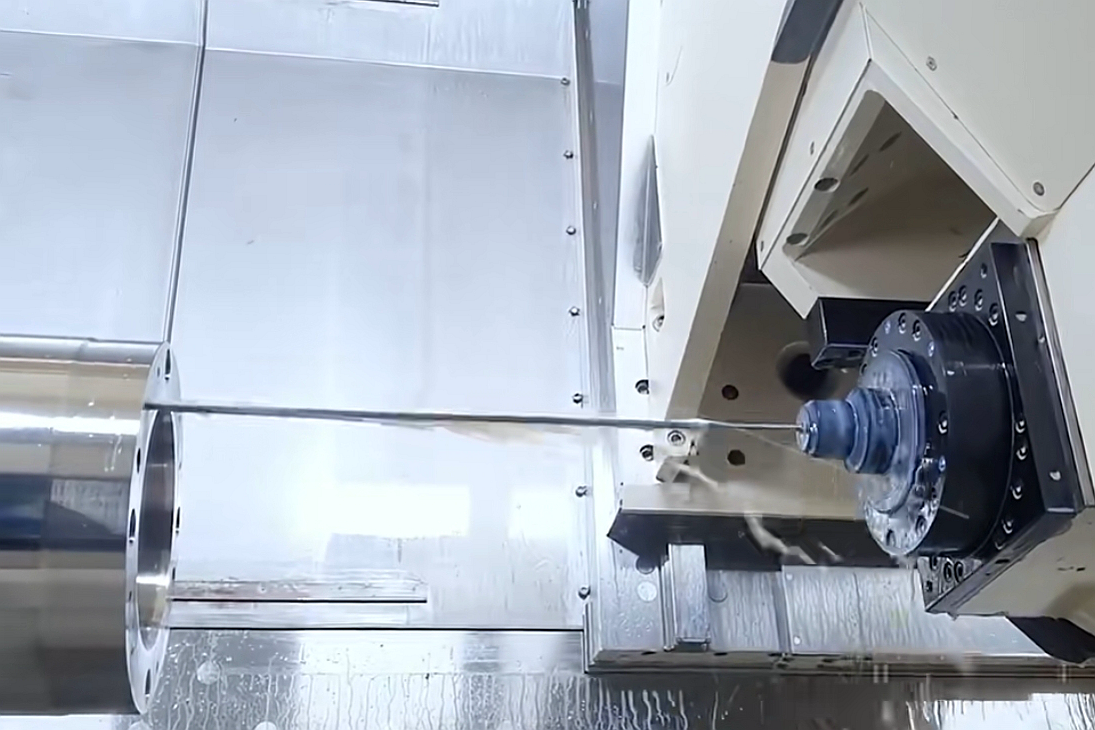
सुपरमिश्र धातु पाइप चैनल मशीनिंग में कोर तकनीक
Neway AeroTech कसकर स्थिति सहनशीलता और सतह गुणवत्ता आवश्यकताओं वाले आंतरिक चैनल बनाने के लिए बहु-अक्ष सीएनसी और ईडीएम तकनीकों का उपयोग करता है।
गहरे छिद्र ड्रिलिंग 20×D से अधिक बोर के लिए
दबाव संतुलन के लिए क्रॉस-ड्रिलिंग और प्रतिच्छेदी मार्ग
पोर्ट विशेषताओं और प्रवेश फ़ेस संरेखण के लिए 5-अक्ष सीएनसी मिलिंग
उच्च-परिशुद्धता दीवार-के-माध्यम कनेक्शन के लिए ईडीएम स्लॉटिंग
ये प्रक्रियाएं शत्रुतापूर्ण वातावरण में एकसमान प्रवाह पथ, न्यूनतम दबाव ड्रॉप और थर्मल थकान प्रतिरोध सुनिश्चित करती हैं।
पाइप चैनल मशीनिंग के लिए विशिष्ट सुपरमिश्र धातु सामग्री
मिश्र धातु | अधिकतम तापमान (°C) | उपज सामर्थ्य (MPa) | मुख्य अनुप्रयोग |
|---|---|---|---|
980 | 827 | शीतलन पाइप, गैस मेनिफोल्ड | |
1175 | 790 | दहनक नलिकाएं, दबाव पाइप | |
980 | 950 | हीट एक्सचेंजर पाइप, इंजेक्शन ट्यूब | |
920 | 1265 | एयरोस्पेस ईंधन लाइनें |
ये सामग्रियां मांग वाली चैनल ज्यामिति के लिए संक्षारण-प्रतिरोधी, वेल्डेबल और तापीय रूप से स्थिर हैं।
केस स्टडी: आंतरिक शीतलक नेटवर्क वाले इंकॉनेल पाइप की सीएनसी मशीनिंग
परियोजना पृष्ठभूमि
एक ग्राहक को उच्च दबाव वाले Inconel 625 पाइप की आवश्यकता थी जिसमें दो आंतरिक प्रवाह चैनल 30° और 90° पर प्रतिच्छेद करते हैं, जो 600 मिमी से अधिक फैले हुए हैं। सहनशीलता में संकेंद्रिता ≤ 0.008 मिमी, Ra 0.5 μm फिनिश, और एक्स-रे निरीक्षण का उपयोग करके सत्यापित क्रॉस-चैनल फ्यूजन शामिल था।
विशिष्ट पाइप चैनल घटक मॉडल और अनुप्रयोग
पार्ट मॉडल | विवरण | सामग्री | चैनल गहराई | उद्योग |
|---|---|---|---|---|
FCP-450 | जुड़वां 22×D चैनलों वाला ईंधन नलिका पाइप | Inconel 625 | 22×D | |
HXP-300 | स्पायरल-कूलिंग बोर्स और रेडियल वेंट्स वाला हस्टेलॉय पाइप | Hastelloy X | 16×D | |
RPC-600 | चार कोणीय इनलेट और बोरहोल वाले प्रबलित दबाव पाइप | Rene 41 | 18×D | |
NMF-320 | माइक्रो-चैनल क्रॉस बोर्स वाला निमोनिक मेनिफोल्ड पाइप | Nimonic 90 | 10×D |
प्रत्येक घटक चरम संचालन स्थितियों के तहत ताप प्रबंधन और द्रव परिवहन का समर्थन करता है।
आंतरिक चैनल सुपरमिश्र धातु पाइप पार्ट्स के लिए मशीनिंग चुनौतियां
बहु-अक्ष चैनल अभिसरण के लिए सभी मार्गों में ±0.01 मिमी स्थितिगत सटीकता की आवश्यकता होती है
प्रतिच्छेदी बोर्स में दीवार पतला होना 1.5 मिमी से अधिक रखा जाना चाहिए
क्रॉस-चैनल पहचान के लिए आंतरिक गैर-विनाशकारी सत्यापन की आवश्यकता होती है
पतली दीवार वाली पाइपों में तापीय विरूपण को 0.02 मिमी समतलता से नीचे नियंत्रित किया जाना चाहिए
प्रवाह व्यवधान को रोकने के लिए Ra ≤ 0.5 μm की सतह फिनिश महत्वपूर्ण है
पाइप ड्रिलिंग और चैनलिंग के लिए सीएनसी समाधान
परिशुद्ध टूलपाथ नियंत्रण के साथ 20×D से अधिक चैनल गहराई के लिए गन ड्रिलिंग और बीटीए सिस्टम
जटिल पाइप कॉन्टूर पर प्रवेश पोर्ट को संरेखित करने के लिए रोटरी अक्ष क्षतिपूर्ति के साथ कोण बोरिंग
बर्स को हटाने और प्रतिच्छेदन को चिकना करने के लिए जंक्शनों की पोस्ट-मशीनिंग ईडीएम सफाई
आयामी स्थिरता के लिए 900–980°C पर तनाव-मुक्ति हीट ट्रीटमेंट
संरेखण और थ्रू-होल निरंतरता की पुष्टि करने के लिए CMM और एक्स-रे टेस्टिंग
परिणाम और सत्यापन
विनिर्माण विधियां
पार्ट्स हॉट-फोर्ज्ड ब्लैंक्स या वैक्यूम इन्वेस्टमेंट कास्टिंग से बनाए गए थे, फिर बहु-अक्ष सीएनसी सिस्टम और गहरे छिद्र ड्रिलिंग का उपयोग करके मशीन किया गया। गन ड्रिल्स ने ±0.01 मिमी की गहराई नियंत्रण के साथ 2–6 मिमी के बीच चैनल व्यास प्राप्त किए।
परिशुद्ध फिनिशिंग
प्रतिच्छेदी बोर्स को ईडीएम रिफाइनमेंट के माध्यम से Ra 0.4 μm तक पॉलिश किया गया। थ्रेडेड पोर्ट को ISO 6g फिट के लिए मिल किया गया, और सीलिंग अखंडता सुनिश्चित करने के लिए प्रवेश सतहों को <0.01 मिमी समतलता पर रखा गया।
पोस्ट-प्रोसेसिंग
प्रत्येक पार्ट ने HIP के बाद तनाव-मुक्ति हीट ट्रीटमेंट से गुजरा। जहां आवश्यक था, बाहरी दीवारों पर TBC कोटिंग्स लगाई गईं, और ईडीएम के बाद संक्षारण प्रतिरोध सुनिश्चित करने के लिए पैसिवेशन किया गया।
निरीक्षण
CMM ने ±0.006 मिमी के भीतर चैनल स्थिति सटीकता की पुष्टि की। एक्स-रे ने पूर्ण चैनल निरंतरता को सत्यापित किया। SEM ने बोर किनारे की गुणवत्ता को मान्य किया और पुष्टि की कि कोई दरार या जलने के निशान नहीं बचे हैं।
अक्सर पूछे जाने वाले प्रश्न (FAQs)
सुपरमिश्र धातु पाइपों में प्राप्त करने योग्य अधिकतम चैनल गहराई क्या है?
पार्ट को नुकसान पहुंचाए बिना आप प्रतिच्छेदी आंतरिक बोर्स का निरीक्षण कैसे करते हैं?
क्या कोणीय चैनलों को 10 μm से कम स्थितिगत सहनशीलता के साथ मशीन किया जा सकता है?
उच्च तापमान पाइप चैनल अनुप्रयोगों के लिए कौन सी सामग्रियां सबसे अच्छी हैं?
कोटिंग्स और पैसिवेशन चैनल खुरदरापन और प्रवाह को कैसे प्रभावित करते हैं?
