
स्टेलाइट 6B लॉस्ट वैक्स कास्टिंग गैस टरबाइन वेन घटक फाउंड्री
परिचय
स्टेलाइट 6B एक कोबाल्ट-आधारित मिश्र धातु है जो अपने उत्कृष्ट घर्षण प्रतिरोध, उच्च-तापमान शक्ति, और श्रेष्ठ संक्षारण और ऑक्सीकरण प्रतिरोध के लिए प्रसिद्ध है - जो इसे गैस टरबाइन वेन घटकों के लिए आदर्श बनाता है। हमारी विशेष फाउंड्री में, हम लॉस्ट वैक्स कास्ट स्टेलाइट 6B वेन्स का निर्माण करते हैं जिनकी सटीक सहनशीलता ±0.05 मिमी, सुसंगत सूक्ष्म संरचना, और 1% से कम सरंध्रता स्तर होता है।
थर्मली आक्रामक टरबाइन वातावरण में विस्तारित सेवा जीवन के लिए इंजीनियर, हमारे स्टेलाइट 6B घटक एयरोस्पेस और बिजली उत्पादन टर्बाइनों दोनों में विश्वसनीय संचालन का समर्थन करते हैं।
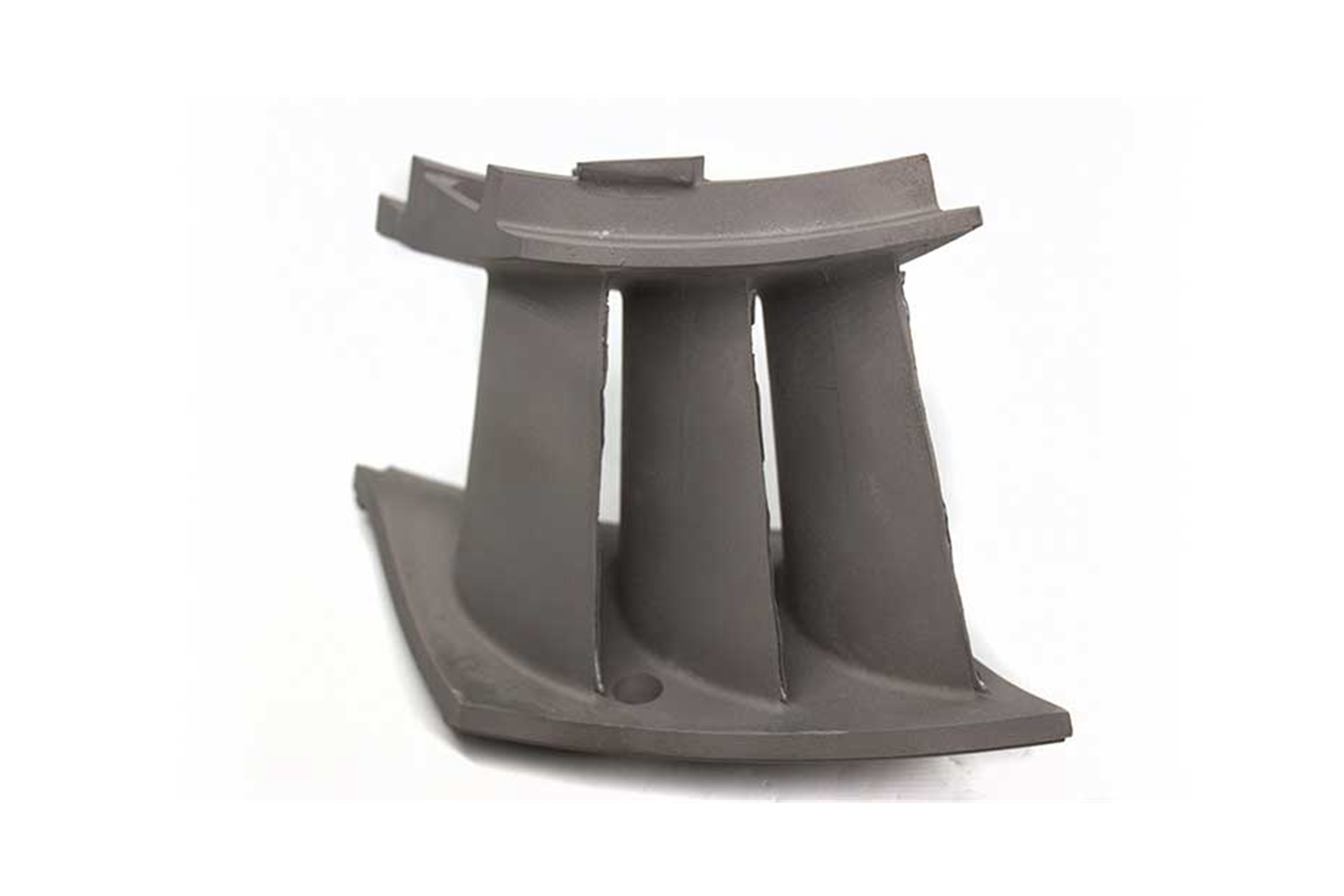
मुख्य प्रौद्योगिकी: स्टेलाइट 6B की लॉस्ट वैक्स कास्टिंग
हमारे स्टेलाइट 6B टरबाइन वेन्स लॉस्ट वैक्स (इन्वेस्टमेंट) कास्टिंग के माध्यम से बहु-परत सिरेमिक शेल मोल्ड्स (8–10 कोट), ~1440°C पर वैक्यूम पिघलने, और 1050°C पर मोल्ड प्रीहीटिंग के साथ उत्पादित किए जाते हैं। नियंत्रित ठोसीकरण (कूलिंग दर: 40–100°C/मिनट) परिष्कृत समक्षेत्रीय अनाज (0.5–2 मिमी) और उत्कृष्ट आयामी स्थिरता प्रदान करता है। इस प्रक्रिया से ±0.05 मिमी की सहनशीलता और 1% से नीचे लगातार सरंध्रता प्राप्त होती है।
स्टेलाइट 6B मिश्र धातु की सामग्री विशेषताएं
स्टेलाइट 6B टरबाइन स्थितियों में श्रेष्ठ धातुकर्म स्थिरता, गॉलिंग प्रतिरोध, और यांत्रिक शक्ति प्रदान करता है। यह अत्यधिक तापमान, अपरदन, और उच्च-गति गैस प्रवाह के संपर्क में आने वाले वेन्स के लिए व्यापक रूप से उपयोग किया जाता है। मुख्य गुणों में शामिल हैं:
गुण | मान |
|---|---|
पिघलने की सीमा | 1350–1440°C |
घनत्व | 8.4 ग्राम/सेमी³ |
तन्य शक्ति (कमरे का तापमान) | 965 एमपीए |
उपज शक्ति | 720 एमपीए |
कठोरता | 35–42 एचआरसी |
थर्मल स्थिरता | 1050°C तक |
संक्षारण/ऑक्सीकरण प्रतिरोध | उत्कृष्ट |
स्टेलाइट 6B उच्च तापमान पर निरंतर सेवा के तहत शक्ति और आयामी अखंडता बनाए रखता है, ऑक्सीकरण, गर्म संक्षारण, और यांत्रिक घिसाव का प्रतिरोध करता है।
केस स्टडी: स्टेलाइट 6B गैस टरबाइन वेन घटक
परियोजना पृष्ठभूमि
एक गैस टरबाइन OEM को 980–1050°C पर संचालित टर्बाइनों के लिए उच्च स्थायित्व वाले प्रथम-चरण नोजल गाइड वेन्स की आवश्यकता थी। हमारी फाउंड्री ने ASTM F90 और ISO 9001 गुणवत्ता मानकों के सख्त पालन के साथ स्टेलाइट 6B घटक वितरित किए। भागों को वायुगतिकीय प्रोफाइल के अनुसार कास्ट किया गया था जिसमें महत्वपूर्ण दीवार मोटाई ±0.05 मिमी के भीतर नियंत्रित की गई थी।
विशिष्ट गैस टरबाइन वेन मॉडल और अनुप्रयोग
प्रथम-चरण नोजल गाइड वेन्स: उच्च-तापमान वेन्स जो गर्म दहन गैसों को निर्देशित करते हैं, जिन्हें >1000°C पर ऑक्सीकरण प्रतिरोध और थर्मल स्थिरता की आवश्यकता होती है।
द्वितीय-चरण संक्रमण वेन्स: उच्च-चक्र थकान और मध्यवर्ती तापमान के संपर्क में, उत्कृष्ट गॉलिंग और थर्मल शॉक प्रतिरोध की आवश्यकता होती है।
दहन क्षेत्र वेन सेगमेंट: अशांत प्रवाह, अपरदन, और निकास गैसों से रासायनिक संक्षारण के अधीन।
स्थिर श्राउड ब्लेड: चक्रीय थर्मल स्थितियों के तहत उच्च आयामी सटीकता और सुसंगत यांत्रिक प्रदर्शन की आवश्यकता होती है।
ये वेन मॉडल टरबाइन प्रदर्शन, वायु प्रवाह नियंत्रण, और थर्मल दक्षता बनाए रखने के लिए महत्वपूर्ण हैं।
टरबाइन वेन विनिर्माण समाधान
कास्टिंग प्रक्रिया वैक्स पैटर्न इंजेक्शन मोल्ड किए जाते हैं, सिरेमिक क्लस्टर में असेंबल किए जाते हैं, और वैक्यूम-सहायता प्राप्त लॉस्ट वैक्स कास्टिंग के माध्यम से संसाधित किए जाते हैं। ~1440°C पर डालना और 1050°C पर मोल्ड प्रीहीटिंग धातुकर्म शुद्धता, नियंत्रित अनाज आकार, और प्रोफाइल सुसंगतता के लिए कम संकुचन सुनिश्चित करते हैं।
पोस्ट-प्रोसेसिंग घटक ~1180°C और 100 एमपीए पर हॉट आइसोस्टेटिक प्रेसिंग (HIP) से गुजरते हैं ताकि सरंध्रता कम हो और क्रीप प्रतिरोध बढ़े। फिनिशिंग में महत्वपूर्ण फिट सतहों और एज प्रोफाइल के लिए सीएनसी मशीनिंग शामिल है।
सतह उपचार टरबाइन वेन्स को वैकल्पिक रूप से थर्मल बैरियर कोटिंग्स (TBC) के साथ लेपित किया जाता है, जैसे कि यिट्रिया-स्थिरित ज़िरकोनिया, एपीएस (एयर प्लाज्मा स्प्रे) के माध्यम से लगाया जाता है। ये कोटिंग्स थर्मल थकान जीवन का विस्तार करती हैं और संचालन धातु तापमान को ~150–200°C तक कम करती हैं।
परीक्षण और निरीक्षण सभी भाग कठोर गुणवत्ता नियंत्रण से गुजरते हैं, जिसमें एक्स-रे निरीक्षण, सीएमएम आयामी सत्यापन, धातुविज्ञान सूक्ष्मदर्शी, और उन्नत तापमान पर तन्य परीक्षण शामिल हैं।
टरबाइन वेन घटकों की मुख्य विनिर्माण चुनौतियां
जटिल वायुगतिकीय आकृतियों पर ±0.05 मिमी आयामी सटीकता बनाए रखना।
उच्च-चक्र थकान प्रतिरोध सुनिश्चित करने के लिए सरंध्रता और अनाज संरचना को नियंत्रित करना।
उच्च-तापमान सेवा क्षेत्रों में धातुकर्म स्वच्छता और कोटिंग आसंजन सुनिश्चित करना।
परिणाम और सत्यापन
वितरित स्टेलाइट 6B टरबाइन वेन घटकों ने प्रदर्शित किया:
3D सीएमएम स्कैनिंग के माध्यम से सत्यापित आयामी सटीकता (±0.05 मिमी)।
HIP के माध्यम से सरंध्रता 1% से कम की गई और एक्स-रे के माध्यम से पुष्टि की गई।
तन्य शक्ति ≥960 एमपीए और 35–42 एचआरसी सीमा में सुसंगत कठोरता।
1050°C पर 1000-घंटे चक्रीय थर्मल एक्सपोजर परीक्षणों के माध्यम से सतह ऑक्सीकरण प्रतिरोध मान्य।
अक्सर पूछे जाने वाले प्रश्न
टरबाइन वेन घटकों को कास्ट करने के लिए स्टेलाइट 6B आदर्श क्यों है?
सटीक गैस टरबाइन भागों के लिए लॉस्ट वैक्स कास्टिंग क्या लाभ प्रदान करती है?
आप वेन आयामी सटीकता और संरचनात्मक अखंडता कैसे सत्यापित करते हैं?
वेन दीर्घायु बढ़ाने के लिए कौन सी थर्मल बैरियर कोटिंग्स का उपयोग किया जाता है?
क्या विभिन्न टरबाइन मॉडलों और चरणों के लिए वेन डिजाइन अनुकूलित किए जा सकते हैं?
